How to Build a Useful Online Presence for Career Education

People looking for work, planning a career change, or choosing a course often turn to the web for practical guidance. They need information they can act on: how to prepare for an interview, what skills a role requires, or where to find credible training. For career coaches, recruiters, education providers, and employment businesses, publishing useful content is one way to reach those readers. The work starts with understanding their questions and continues through the website experience, article quality, and the places where content is shared.
Start With the Reader’s Immediate Need
Career advice can easily become broad or repetitive. A stronger article addresses a specific situation, such as returning to work after a break, preparing a portfolio for a first design role, or comparing professional certifications. Before drafting, identify who the reader is, what decision they are trying to make, and what next step the article should help them take.
That focus also helps distinguish education from promotion. A training provider can explain how to assess course quality before describing its own programs. A recruiter can outline how candidates should prepare for a screening call without implying that every job search follows the same path. Clear explanations, realistic examples, and appropriate caveats make advice more useful and trustworthy.
Make Career Content Easy to Use
Online readers often scan before they decide whether to read closely. Use descriptive headings, short paragraphs, and lists when they make steps or comparisons easier to follow. Define industry terms that may be unfamiliar to students or people changing fields. If a recommendation depends on location, occupation, or experience level, say so rather than presenting it as universal.
Useful content should also help readers act. A guide to interview preparation might include a practice routine, sample questions, and suggestions for researching an employer. An article about choosing a career course could explain how to compare learning outcomes, instructor experience, schedule, and total cost. Practical detail is more valuable than a long introduction that repeats familiar advice.
Choose Relevant Places to Publish
A useful article needs an audience that is likely to benefit from it. For a contribution about job-search preparation, an employment-focused publication may be a better fit than a general site with little career coverage. For a piece about workplace technology or professional learning, an education or technology outlet could make more sense. Review recent articles and the publication’s audience before pitching, and adapt the idea to its readers rather than sending the same generic proposal everywhere.
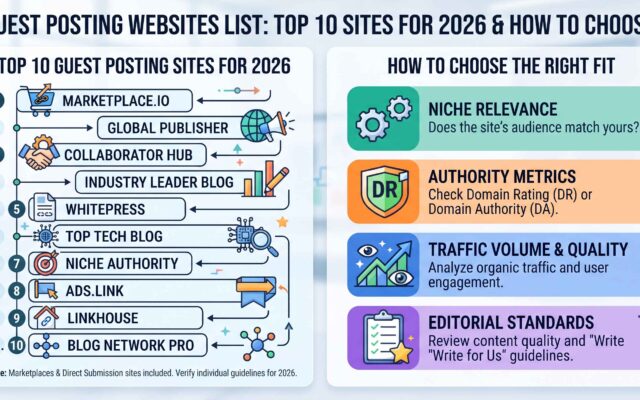
When researching possible outlets, iCopify’s career and employment publishing list brings together more than 800 websites and blogs that accept guest posts. Treat a directory as a starting point, not a substitute for checking each publication. Confirm that it is active, covers subjects related to your expertise, explains its submission expectations, and offers terms that suit your goals.
A thoughtful pitch is concise and specific. Explain the intended reader, the problem the article addresses, and why the proposed angle fits that publication. Include a short outline if useful, and disclose any relevant connection to a service or organization. Avoid promising results that an article cannot guarantee, such as a job offer or a particular search ranking.
Keep the Website Experience in Step With the Content
Publishing can bring new visitors to a career website, but the site itself needs to support their next step. Readers should be able to understand what the organization offers, find related resources, and contact the right person without having to search through confusing menus. Mobile usability matters too: a candidate may read a job-search guide on a phone, while a career coach may review service details on a laptop.
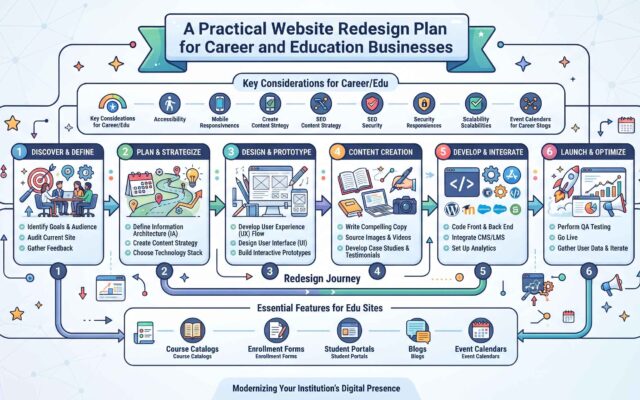
Before making a redesign, review how people use the current site and which pages perform important jobs. A redesign can affect navigation, page addresses, forms, search visibility, and analytics, so it should not be treated as a visual refresh alone. Osdire’s website redesign process checklist covers planning, auditing, building, testing, and post-launch checks. That kind of structured review can help teams identify what must be preserved as well as what needs improvement.
Questions to Ask Before a Redesign
- Which pages bring in relevant visitors or generate useful enquiries?
- Can people find career resources, services, and contact information quickly?
- Are forms accessible and straightforward on mobile devices?
- Do existing page addresses need redirects if URLs change?
- Who will check analytics, broken links, and search visibility after launch?
Measure Usefulness, Not Just Visibility
Page views alone do not show whether content helped someone. Depending on the purpose of a page, useful signals might include visits to a related resource, completed applications, course enquiries, newsletter sign-ups, or time spent using a practical tool. Set a goal before publication and choose measures that match it. A general career article may introduce readers to a topic; it should not be judged by the same immediate conversion target as a service page.
Review feedback and search queries periodically. If visitors repeatedly ask about a qualification’s cost or a role’s entry requirements, those questions may point to a gap in the content. Update articles when facts, policies, or hiring practices change, and make the revision date clear where it helps readers judge currency. A small, well-maintained library can serve people better than a large collection of outdated posts.
Build Trust Through Consistency
A dependable career resource combines accurate information, clear writing, an accessible website, and appropriate publishing choices. It recognizes that readers arrive with different backgrounds and constraints, and it gives them enough context to make their own decisions. By focusing on specific needs, selecting relevant places to contribute, and maintaining the site that supports those articles, education and employment organizations can create an online presence that is useful beyond a single visit.