Bite-Sized Rewards: Safe Treats for Your 7 to 9 Week Old Pup


Introduction
Bringing home a new 7 to 9-week-old puppy is an exciting adventure! Their tiny paws and playful nips fill our homes with joy. We quickly learn that these little bundles of energy are also rapidly developing, with unique needs.
At this tender age, a puppy’s digestive system is delicate, and their nutritional requirements are distinct from adult dogs. As we start training and bonding, treats become a valuable tool. However, choosing the right rewards can feel overwhelming.
This extensive guide is designed to help new puppy parents navigate treats safely and effectively. We’ll explore appropriate options that support healthy growth, address specific needs like teething, and teach us how to use treats for positive reinforcement without overfeeding.
Ensuring your puppy receives the best start includes everything from proper nutrition to early socialization and Personalized puppy care. Our goal is to empower you with the knowledge to make informed decisions, fostering a happy, healthy relationship with your newest family member. We’ll guide you through finding treats that are both delicious and beneficial, keeping your puppy’s well-being at the forefront.
Why Early Nutrition Matters: Establishing Personalized Puppy Care
The first few months of a puppy’s life are a period of intense growth and development, making early nutrition critically important. During this rapid growth phase, their bodies are building bones, muscles, and developing vital organs, all of which require a precise balance of nutrients. Caloric intake must be carefully managed to support this growth without leading to obesity, which can predispose them to health issues later in life.
A puppy’s developing microbiome, the complex community of microorganisms in their gut, is also highly sensitive. Introducing new foods, including treats, requires caution to prevent digestive upset. Portion management is key, not just for their main meals but especially for treats, which should complement their diet rather than disrupt its nutritional balance.

Nutritional Requirements and Personalized Puppy Care for Digestive Health
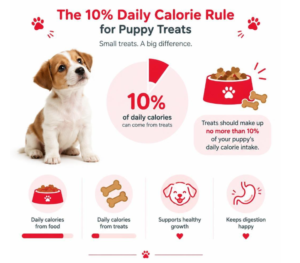
For a 7 to 9-week-old puppy, their daily calories are primarily derived from their specially formulated puppy food. Treats, while excellent for training and bonding, should never exceed 10% of their overall daily caloric intake. This “10% rule” is crucial for preventing nutritional imbalances and ensuring they receive the full spectrum of nutrients from their primary diet. Exceeding this limit can lead to an excess of certain nutrients or a deficiency in others, potentially impacting their growth and health.
When selecting treats, look for options that are easy to digest. Many young puppies have sensitive digestive systems, so treats made with single proteins can be beneficial in identifying and avoiding potential allergens. Dietary fiber, in appropriate amounts, can support healthy digestion, while nutrient density ensures that even small treats offer some nutritional value without being empty calories. Consulting with your veterinarian about your puppy’s specific dietary needs and treat choices is always a wise step, especially if your puppy has any known sensitivities or health conditions.
Developmental Milestones: Fragile Teeth and Rapid Growth
At 7 to 9 weeks old, puppies are typically still sporting their deciduous, or “baby,” teeth. These teeth are much sharper and more fragile than adult teeth. Their jaw development is also ongoing, and their mouths are relatively small. This means that treats must be appropriately sized and textured to prevent choking hazards and protect their delicate teeth.
Hard chews, bones, or anything that doesn’t easily indent with your fingernail should be avoided. The “fingernail test” is a simple but effective way to gauge the hardness of a chew: if you can’t make a mark with your fingernail, it’s too hard for a young puppy’s developing enamel and can lead to tooth fractures. Instead, focus on soft, pliable options that are easy to chew and swallow. Protecting their baby teeth is important, as damage to these can sometimes affect the development of their permanent adult teeth.
Safe and Healthy Treat Options for 7 to 9 Week Old Puppies
When choosing treats for your young pup, texture and size are paramount. Treats should be bite-sized morsels that are easy for small mouths to manage and swallow without excessive chewing. High protein digestibility is also important for their developing systems.
Treat Type Safe for 7-9 Week Old Puppies? Key Characteristics Soft-baked puppy treats Yes Small, chewy, easily digestible, low calorie, often fortified with vitamins/DHA Freeze-dried single protein Yes High protein, easily broken, no artificial additives, often single ingredient Cooked chicken/turkey Yes (plain, unseasoned) High-value, digestible, easy to prepare, small pieces Plain pumpkin (canned) Yes (in moderation) Good source of fiber, aids digestion, low calorie Cooked carrots Yes (soft, small pieces) Crunchy but soft when cooked, good for teething, vitamins Seedless apple slices Yes (in moderation) Hydrating, fiber, remove core/seeds Hard dental chews No Too hard for fragile teeth, choking risk, digestive upset, age restriction (6 months+) Rawhide No Choking risk, digestive obstruction, difficult to digest Large bones (cooked/raw) No Splintering risk (cooked), tooth fracture, choking, bacterial contamination (raw) Human junk food No High in sugar/salt/fat, toxic ingredients, digestive upset.
Single-Protein Rewards and Soft-Baked Bites
For young puppies, single-protein treats are often the best choice. Options like small pieces of plain, cooked chicken (boiled or baked, unseasoned) or freeze-dried liver are excellent. These are typically highly palatable, easy to digest, and less likely to cause an allergic reaction or digestive upset. The soft texture is gentle on developing teeth, and their low-calorie count allows for frequent rewards during training without overfeeding.
Soft-baked puppy treats specifically formulated for young dogs are another great option. These are designed to be easy to chew and swallow, preventing choking hazards. When selecting commercial treats, prioritize those with simple ingredient lists, no artificial colors, flavors, or preservatives, and ensure they are clearly labeled for puppies.
Safe Human Foods for Young Pups
While commercial treats are convenient, some human foods can also serve as healthy, low-calorie rewards in moderation. Always ensure they are plain, unseasoned, and cut into tiny, manageable pieces.
Here are some safe, puppy-friendly fruits and vegetables:
- Plain Canned Pumpkin: Not pumpkin pie filling, but pure, unsweetened canned pumpkin. It’s a great source of fiber and can aid digestion.
- Cooked Carrots: Soft, cooked carrot pieces are easy to chew and provide vitamins.
- Seedless Apple Slices: Ensure all seeds and the core are removed, as apple seeds contain cyanide. Apples offer hydration and fiber.
- Green Beans: Plain, cooked green beans are a low-calorie, crunchy treat.
- Blueberries: Small amounts of blueberries can be a tasty, antioxidant-rich reward.
- Sweet Potato: Cooked and mashed or small, soft cubes.
- Broccoli: Steamed and cut into tiny, soft florets.
Always introduce new human foods one at a time and in very small quantities to monitor for any digestive upset. These can offer natural fiber and hydration support, complementing their main diet.
Teething Relief Chews and Texture Safety
Around 7 to 9 weeks, puppies are often in the thick of teething, and their instinct to chew is strong. Providing appropriate outlets for this behavior is crucial to protect your furniture and your hands! Edible chews designed specifically for puppies are ideal. Look for pliable rings or sticks that are soft enough to give slightly when pressed but durable enough to offer satisfying chewing. These can help soothe sore gums and encourage the loosening of baby teeth.
Always supervise your puppy when they have any chew treat to prevent choking or accidental ingestion of large pieces. Cooling treats, such as frozen soft-baked puppy treats or a frozen Kong stuffed with puppy-safe ingredients (like pureed pumpkin or plain yogurt), can also offer soothing relief to teething gums. Avoid anything too hard, as this can damage their developing teeth.
Incorporating Treats into Positive Reinforcement Training
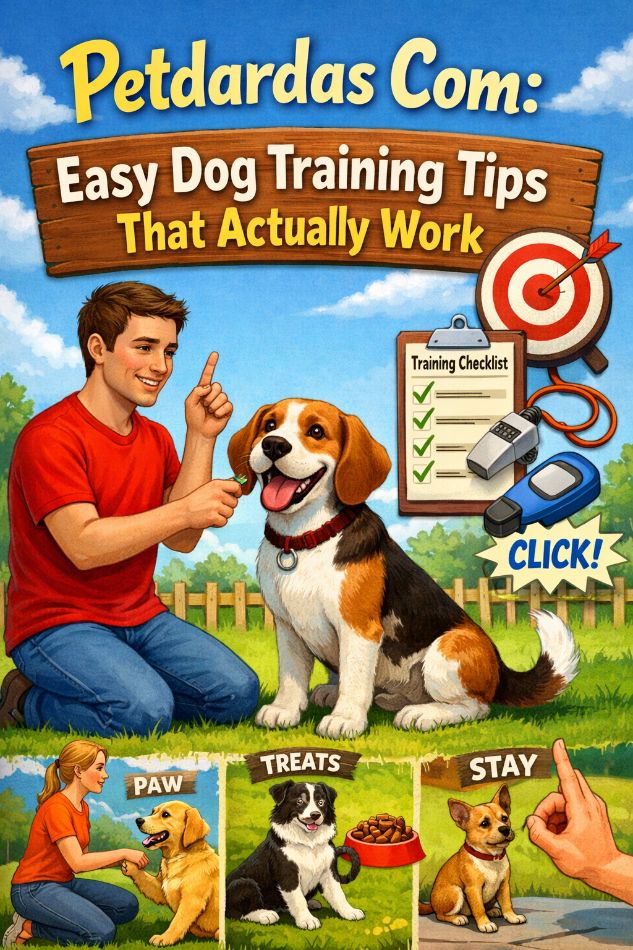
Treats are an invaluable tool for positive reinforcement training, especially with young puppies. They serve as a powerful motivator and a clear signal that your puppy has done something right. Marker training, often involving a clicker or a verbal marker like “yes!”, paired with a treat, helps your puppy understand exactly what behavior earned the reward.
Timing is critical: the treat should be delivered immediately after the desired behavior (within 1-2 seconds) to create a strong association. Using high-value rewards – treats your puppy absolutely loves – will keep them engaged and focused during training sessions. This approach builds a positive relationship with training, making learning fun and effective.
Reward Timing and Personalized Puppy Care Routines
Effective treat delivery is all about precision. Prompt delivery of a treat immediately after a desired behavior helps solidify the connection in your puppy’s mind. For instance, when house training, as soon as your puppy finishes eliminating outside, a tiny, high-value treat should appear. This makes the experience highly rewarding and reinforces the correct behavior. Similarly, for crate training, a treat delivered as they calmly enter or settle in their crate can build positive associations.
Establishing a routine structure for training, often timed before mealtimes when your puppy is most food-motivated, can maximize their attention span and willingness to work for treats. Short, frequent training sessions (5-10 minutes) are more effective for young puppies than long, drawn-out ones, as their attention spans are still developing.
Transitioning from Continuous to Intermittent Rewards
While continuous reinforcement (rewarding every correct behavior) is essential when first teaching a new command, it’s important to eventually transition to intermittent rewards. This process, known as reward fading, prevents your puppy from becoming overly reliant on food and helps them generalize the behavior. Gradually, you can start rewarding every second, then every third, then every fifth correct response, interspersing verbal praise and physical affection.
This transition encourages your puppy to perform behaviors for the intrinsic satisfaction of pleasing you, rather than solely for the treat. Incorporating mental stimulation games, such as hiding treats around the room or using a snuffle mat, can also provide engagement without constant food rewards, further reducing food reliance while still providing positive reinforcement.
Common Treat Pitfalls and Hazards to Avoid
While treats are beneficial, it’s crucial to be aware of potential pitfalls. Choking risks are significant for young puppies due to their small size and tendency to gulp. Digestive upset can occur from new ingredients, too many treats, or treats that are too rich. Dietary imbalances are a concern if treats exceed the 10% daily calorie rule, potentially leading to nutrient deficiencies or excesses. Finally, many commercial treats contain toxic additives or artificial preservatives that are best avoided for a developing puppy.
Toxic Foods and High-Risk Additives
Many human foods are highly toxic to dogs, and even a small amount can cause severe illness or be fatal. It’s imperative to know and avoid these:
- Xylitol: A sugar substitute found in many sugar-free products (gum, candies, peanut butter). It causes a rapid release of insulin, leading to hypoglycemia, and can cause liver failure. Always check peanut butter labels for xylitol before giving it to your puppy.
- Chocolate: Contains theobromine, which dogs metabolize slowly. Dark chocolate and baking chocolate are most dangerous.
- Grapes and Raisins: Can cause acute kidney failure in some dogs, even in small amounts.
- Onions, Garlic, Chives, Leeks: Belong to the Allium family and can cause red blood cell damage, leading to anemia.
- Avocado: Contains persin, which can cause vomiting and diarrhea in some dogs.
- Macadamia Nuts: Can cause weakness, vomiting, tremors, and hyperthermia.
- Alcohol and Caffeine: Highly toxic and should never be given to pets.
Beyond these, avoid treats with artificial flavorings, colors, and preservatives (like BHA, BHT, ethoxyquin), which can be detrimental to a puppy’s developing system. Excess sodium and sugar should also be limited.
Why Dental Chews Must Wait Until Six Months
Despite the common statistic that 80% of dogs have dental disease by the age of three, dental chews are generally not suitable for 7 to 9-week-old puppies. Most commercial dental chews are designed for adult dentition and are too hard for a puppy’s fragile baby teeth, posing a significant risk of tooth fracture. Furthermore, their immature digestive systems may struggle with the density and ingredients of these chews, potentially leading to intestinal obstruction or digestive upset.
Many reputable dental chew brands explicitly state that their products are for puppies 6 months of age or older. Until your puppy reaches this milestone and has developed their adult teeth, focus on soft, pliable chew toys or puppy-specific edible chews that are easy to digest and gentle on their mouth. Regular veterinary check-ups will also monitor their dental health from an early age.
Frequently Asked Questions About 2-Month-Old Puppy Treats
Navigating puppy treats can bring up many questions. Here are some common inquiries from new puppy parents.
How many treats can a 2-month-old puppy eat in a day?
As a general guideline, treats should not exceed 10% of your puppy’s total daily caloric intake. The exact number will depend on the size and calorie content of the treats themselves, as well as your puppy’s individual daily caloric needs (which vary by breed, size, and activity level). To manage this, you might subtract a small portion of their daily kibble to account for the treat calories. Always refer to your puppy food’s feeding guidelines and consult your vet for personalized advice. Tracking your puppy’s weight and body condition score will help ensure you’re maintaining a healthy balance.
Can an 8-week-old puppy have dental chews or hard bones?
No, an 8-week-old puppy should not have dental chews or hard bones. Most dental chews are formulated for puppies 6 months of age or older, as younger puppies have fragile baby teeth that are prone to fracture from hard objects. Hard bones also pose a significant choking hazard and can cause internal injuries or intestinal blockages. Stick to soft, pliable, puppy-specific edible chews or rubber chew toys designed for young puppies to satisfy their chewing instincts safely.
What should I do if my puppy has stomach upset from a new treat?
If your puppy experiences stomach upset (vomiting, diarrhea, lethargy) after trying a new treat, immediately stop giving them that treat. Switch them back to their regular, plain diet. Monitor their hydration closely, ensuring they have access to fresh water. If symptoms are severe, persist for more than 24 hours, or your puppy seems in significant distress, contact your veterinarian immediately. When introducing any new treat in the future, do so very gradually, offering only a tiny piece at first and observing for any adverse reactions before increasing the amount.
Conclusion
Providing safe and appropriate treats for your 7 to 9-week-old puppy is a wonderful way to foster bonding, encourage good behavior, and support their overall development. By understanding their unique nutritional needs, the fragility of their developing teeth, and the importance of caloric balance, we can make informed choices that contribute to their well-being.
Remember to prioritize soft, digestible, low-calorie options, introduce new treats gradually, and always avoid toxic foods and hard chews. Using treats effectively for positive reinforcement will build a strong foundation for lifelong habits and training success. With gentle rewards and consistent effort, you’ll help your puppy grow into a happy, healthy, and well-adjusted companion, ready to embrace early socialization and all the adventures that lie ahead.