Why Surgical Instrument Quality Matters in Healthcare

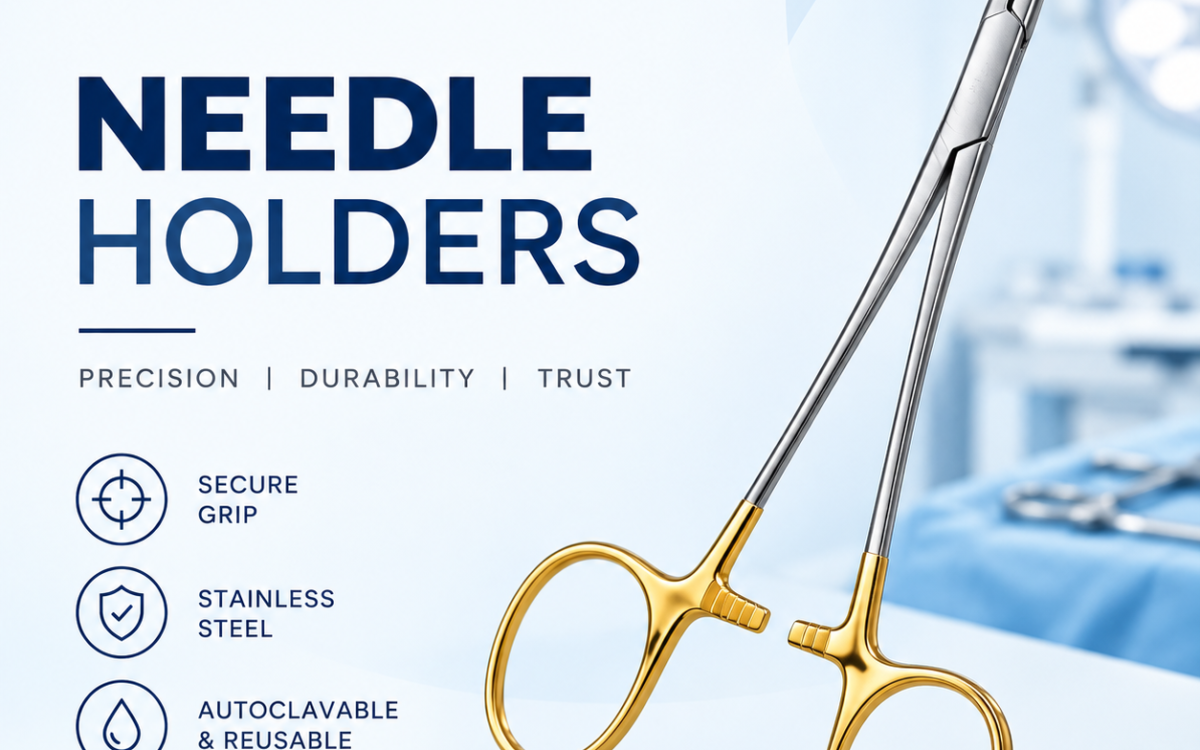
Surgical instruments are essential tools in many healthcare environments. From general surgical procedures to specialized medical applications, these instruments are designed to perform specific functions that require appropriate construction, functionality, and reliability.
The quality of surgical instruments matters because healthcare professionals depend on tools that are suitable for their intended use and can be properly maintained throughout their service life.
Understanding the factors that influence instrument quality can help hospitals, clinics, and medical professionals make more informed purchasing decisions.
1. Quality Begins With Intended Use
Every surgical instrument is designed for a particular function or range of applications.
Before evaluating quality, healthcare buyers should understand how an instrument will be used.
An instrument intended for grasping tissue may have different requirements from one designed for cutting, clamping, or retracting.
Selecting an instrument that is inappropriate for its intended purpose can affect its usability and may introduce unnecessary difficulties into clinical workflows.
Healthcare professionals should therefore review the intended use, product specifications, and relevant instructions before selecting an instrument.
2. Material Selection and Manufacturing
Materials and manufacturing processes play important roles in instrument quality.
Stainless steel is commonly used in surgical instruments because of its strength and corrosion resistance. However, the performance of a finished instrument depends on more than the general material category.
Factors such as steel composition, heat treatment, machining, finishing, and assembly can influence the instrument’s characteristics.
For example, instruments with moving components require appropriate alignment and construction to function as intended.
Healthcare buyers should request meaningful product specifications and avoid relying exclusively on broad marketing descriptions.
Also read: 4 Ways Veterinary Hospitals Collaborate With Specialists
3. Precision and Functional Performance
Surgical instruments must be suitable for the tasks for which they are designed.
Depending on the instrument, relevant characteristics may include:
– Alignment of working components.
– Smooth movement of joints.
– Appropriate gripping or clamping function.
– Consistency of cutting edges.
– Secure locking mechanisms.
– Suitable dimensions and working geometry.
These characteristics should be evaluated in accordance with the manufacturer’s specifications and the instrument’s intended application.
Healthcare professionals should follow appropriate inspection procedures and remove instruments from service when they show signs of damage, malfunction, or deterioration.
4. Durability and Long-Term Value
Durability is an important consideration when purchasing reusable instruments.
An instrument that is properly designed, maintained, and processed may provide service over an extended period. However, service life depends on several factors, including construction quality, frequency of use, cleaning methods, sterilization conditions, storage, and maintenance.
Purchasing decisions should consider the total cost of ownership rather than only the initial price.
This may include replacement costs, maintenance expenses, processing requirements, and the resources needed to manage inventory.
A clear understanding of these factors can help healthcare facilities plan budgets more effectively.
5. Cleaning, Processing, and Maintenance
Reusable surgical instruments require appropriate processing between uses.
Also read: Medical Malpractice Law Firms to Know When Seeking Legal Representation
Cleaning is essential because residual soil can interfere with subsequent processing and may contribute to instrument deterioration.
Healthcare facilities should follow the manufacturer’s validated instructions for cleaning, disinfection, sterilization, inspection, and storage.
Instruments with complex designs may require additional attention during cleaning and inspection.
Maintenance procedures should also address signs of corrosion, damaged surfaces, loose components, or impaired functionality.
Staff responsible for instrument processing should receive appropriate training and have access to the necessary equipment and instructions.
6. Documentation and Traceability
Product documentation helps healthcare facilities understand an instrument’s characteristics and requirements.
Depending on the product and jurisdiction, relevant information may include:
– Manufacturer identification.
– Product reference or catalog number.
– Material specifications.
– Instructions for use.
– Cleaning and sterilization instructions.
– Applicable regulatory or conformity information.
– Warranty and maintenance information.
Maintaining appropriate purchasing and inventory records can also help facilities identify products, manage replacements, and investigate quality concerns.
Healthcare organizations should confirm that documentation is appropriate for the instruments they purchase and the regulations governing their use.
7. The Role of Supplier Communication
Suppliers play an important role in helping customers understand the products they are considering.
A supplier should be able to clarify product specifications, available options, order quantities, and delivery arrangements.
Also read: What Is a Messonde? Meaning, Uses & Spelling Guide
For instruments with similar names or appearances, clear communication can help prevent misunderstandings about dimensions, design, and intended use.
Healthcare buyers should provide detailed requirements when requesting quotations. Including product names, sizes, quantities, and relevant specifications can make the purchasing process more efficient.
When purchasing internationally, it is also useful to confirm packaging, shipping, and documentation arrangements in advance.
8. Building a Quality-Focused Purchasing Process
A consistent purchasing process can help healthcare facilities evaluate instruments more effectively.
A practical process may include:
1. Identifying the clinical or operational requirement.
2. Preparing a detailed product specification.
3. Reviewing suitable products and suppliers.
4. Verifying documentation and applicable requirements.
5. Comparing price, quality information, and service.
6. Establishing appropriate inspection and inventory procedures.
This approach helps ensure that purchasing decisions are based on documented requirements rather than assumptions.
Surgical instrument quality involves material selection, manufacturing, functional performance, durability, maintenance, and appropriate documentation.
Healthcare facilities can make more informed decisions by evaluating these factors and selecting instruments suited to their intended applications.
For medical professionals and businesses researching surgical instrument options, Zenith of Everest offers an online catalog of surgical and medical instruments at https://zenithofeverest.com/.
A thoughtful approach to instrument selection can support better purchasing decisions and more organized instrument management throughout the healthcare environment.
Best Orthopedic Surgical kit