Walk into any world-class nightclub and the first thing that hits you isn’t the music—it’s the light. That wash of color sweeping across concrete walls, the pulse of amber fading into deep violet, the way shadows dance in rhythm with the bass. Lighting transforms a room from a simple space into a living, breathing experience. Yet many club owners still struggle with outdated fixtures that cast harsh spots, leave dead zones, or simply can’t keep pace with the energy on the floor. Wall wash track lighting offers a modern answer to these challenges, delivering wide, seamless coverage that can shift mood in an instant. Its versatility allows venues to move between intimate atmospheres and explosive energy without missing a beat, while synchronization capabilities ensure every fixture works in concert with the music. In this guide, we’ll walk you through everything from understanding the fundamentals of wall wash systems to implementing advanced performance techniques that will keep patrons coming back night after night.
Understanding Wall Wash Track Lighting: The Foundation of Club Atmosphere
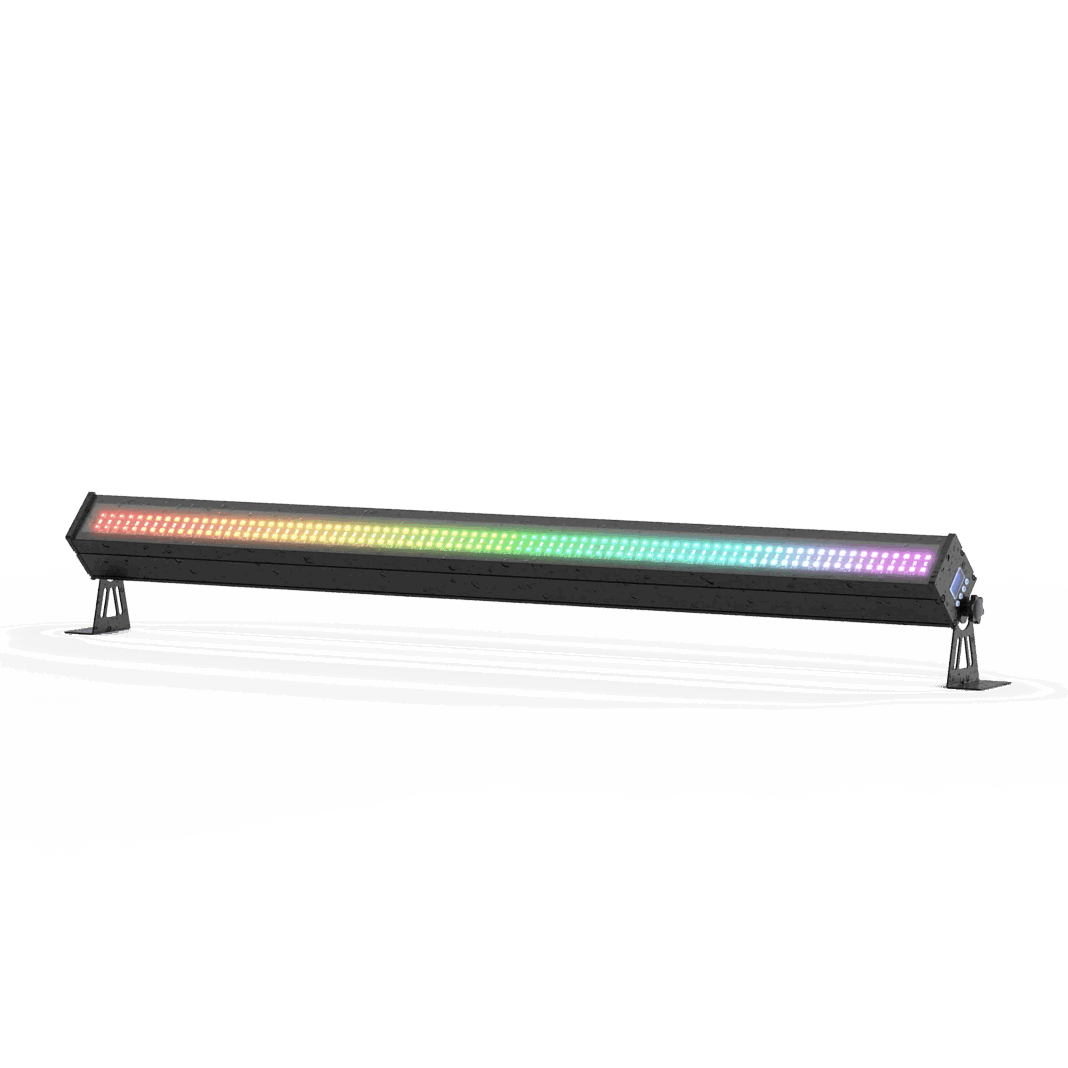
Wall wash track lighting consists of fixtures mounted on a track rail system that project broad, even beams of light across vertical surfaces. Unlike traditional spotlights that create concentrated pools of illumination, wall wash fixtures spread light uniformly from floor to ceiling, eliminating harsh shadows and dark patches that make spaces feel disjointed. The core components include the track rail itself, individual luminaire heads with wide-angle lenses, power feeds, and connectors that allow repositioning without rewiring.
In a club environment, this even coverage serves as the visual canvas upon which all other effects are painted. Think of it as the base layer of your performance lighting strategy—it establishes color tone, perceived room size, and emotional temperature before a single strobe or moving head fires. Fixtures typically come in LED varieties offering RGB, RGBW, or tunable white configurations, each suited to different creative goals. RGB units excel at saturated color washes for high-energy moments, while tunable white options handle sophisticated lounge settings where warmth and subtlety matter more. When planning initial setup, consider wall texture and color, as matte surfaces diffuse light beautifully while glossy finishes can create unwanted hotspots. Mounting height and fixture spacing also determine coverage uniformity—generally, positioning fixtures at a distance from the wall equal to one-third the wall height produces the smoothest gradient from top to bottom.
Versatile Lighting for Dynamic Mood Changes
A nightclub isn’t one experience—it’s many. The early evening crowd sipping cocktails at low tables needs a completely different atmosphere than the midnight rush packed shoulder-to-shoulder on the dance floor. Wall wash track lighting handles these transitions with remarkable fluidity because repositioning isn’t required. Instead, operators adjust color, intensity, and movement patterns through pre-programmed scenes that activate with a single command. A warm amber wash at 30% intensity creates that intimate golden-hour feel for early arrivals, then a quick fade to deep blue at 60% signals the shift toward something more energetic. When the headliner takes the stage, saturated magentas and rapid color cycling at full output tell everyone the night has truly begun.
Programming these scenes effectively requires thinking in emotional arcs rather than isolated looks. Map your typical night into four or five distinct phases and build corresponding lighting states that flow naturally from one to the next. Transition times matter enormously—a three-second crossfade feels elegant and intentional, while an instant snap creates urgency and surprise. Most modern controllers allow you to store dozens of scenes and chain them into sequences, so your lighting operator can focus on reading the crowd rather than manually adjusting individual parameters. The key is rehearsal: run through your programmed sequences during off-hours to catch awkward transitions or color combinations that clash with your venue’s interior finishes.
Implementing Color and Intensity Controls
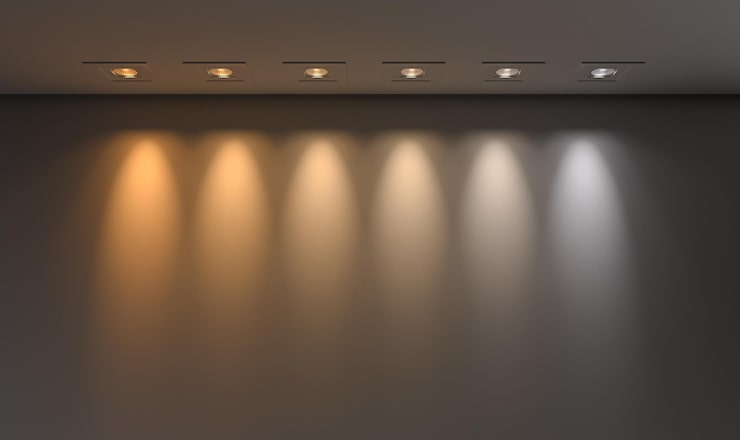
RGB and RGBW fixtures give you access to millions of color combinations, but the real skill lies in restraint and intention. Warm tones between 2700K and 3500K equivalent activate feelings of comfort and relaxation, making them ideal for VIP areas and early-evening ambiance. Cool blues and teals create perceived spaciousness and pair well with electronic music’s atmospheric qualities. High-saturation reds and magentas drive energy and urgency—use them during peak moments but avoid sustaining them too long, as visual fatigue sets in after extended exposure. Intensity control is equally powerful: dimming wall wash fixtures to 15-20% creates mystery and intimacy, while pushing past 70% floods the space with color that becomes almost tactile. DMX controllers remain the industry standard for precise channel-level adjustments, though newer app-based systems offer intuitive touchscreen interfaces that reduce the learning curve for staff. Whichever tool you choose, assign dedicated channels for your wall wash fixtures separate from moving heads and strobes, keeping your base layer independently controllable at all times.
Reliable Light Synchronization for Seamless Shows
Nothing breaks the spell of a great night faster than fixtures firing out of sequence. When wall wash lights lag behind the beat or transition at different speeds, the audience feels the disconnect even if they can’t articulate why. Reliable light synchronization ensures every fixture along your track system responds as a unified instrument, creating sweeps, pulses, and color shifts that move with musical precision across your walls. The foundation of professional synchronization remains DMX512, a protocol that sends control data to up to 512 channels over a single daisy-chained cable run. For larger venues requiring more channels, Art-Net and sACN protocols transmit DMX data over ethernet networks, offering virtually unlimited universe expansion and the advantage of existing network infrastructure. Wireless DMX solutions have matured significantly and now deliver latency under 5 milliseconds—imperceptible to human eyes—making them viable for installations where running cable is impractical or aesthetically unacceptable.
Software integration takes synchronization further by linking your lighting controller directly to audio analysis tools. These systems detect BPM, frequency bands, and transient peaks in real time, triggering programmed responses that keep your wall wash effects locked to the music without constant manual intervention. To avoid desynchronization, ensure all fixtures share identical firmware versions and that your DMX chain doesn’t exceed recommended cable lengths of 300 meters without a signal booster. Ground loops cause flickering and erratic behavior—isolate your lighting power circuit from audio equipment whenever possible. If fixtures occasionally skip commands or respond sluggishly, check for damaged XLR terminators and replace any cables showing intermittent continuity failures.
Setting Up Synchronized Systems
Begin by assigning unique DMX addresses to each wall wash fixture sequentially along your track, documenting the address map for future troubleshooting. Connect fixtures in a daisy chain from your controller’s DMX output, terminating the final fixture in the chain with a 120-ohm resistor to prevent signal reflection. Power on your entire system and verify each fixture responds independently by isolating its channels on the controller. Next, build a simple test scene—a slow red-to-blue crossfade across all wall wash units—and observe whether every head transitions at identical speed. Any fixture lagging likely has an addressing conflict or a loose data connection. Once individual response is confirmed, program a chase sequence that ripples color across the wall from left to right, verifying spatial accuracy matches your physical fixture layout. Calibrate intensity curves so that all units output matching brightness at identical percentage values, compensating for any manufacturing variation by adjusting individual fixture trim settings. Finally, run a full dress rehearsal with music at performance volume, watching for any electromagnetic interference from nearby amplifiers that might corrupt your DMX signal. Document your final configuration settings and store backup copies of all programmed scenes on external media so recovery after equipment failure takes minutes rather than hours.
Advanced Performance Lighting Techniques with Wall Wash Systems
Once your wall wash track system operates reliably, the creative possibilities expand dramatically. Performance lighting reaches its full potential when wall wash fixtures work alongside other elements rather than in isolation. Consider dedicating specific track sections to highlight architectural features—exposed brick columns, textured concrete panels, or curved walls become sculptural elements when grazed with narrow-angle washes at oblique angles. The DJ booth deserves particular attention: a dedicated wall wash segment behind the performer creates a glowing backdrop that frames them as the focal point without blinding their eyes with front-facing fixtures. Color choices here should complement the main room wash while maintaining enough contrast to draw attention naturally.
Layering wall wash with moving heads and strobes produces dynamic effects that feel three-dimensional. Program your wall wash to hold a slow-breathing color cycle as your base layer while moving heads punch through with sharp beams overhead. During breakdowns, pull all other fixtures to blackout and let the wall wash alone carry the room in a single deep hue—the sudden simplicity creates dramatic tension that audiences feel physically. Pulsating beats work best when wall wash intensity modulates between 40% and 80% on each kick drum hit, avoiding full blackout which causes disorientation and full brightness which eliminates dynamic range. Slow fades across complementary colors—blue into orange, green into magenta—build anticipation during transitions between sets. On the practical side, schedule monthly inspections of track connections and fixture lenses. Dust accumulation reduces output by up to 20% over time, and loose track contacts create intermittent flickering that undermines even the best programming. Keep spare fixtures on hand so a single failure never compromises your show.
Step-by-Step Party Lighting Solutions for Club Owners
Transforming your venue doesn’t require gutting your entire infrastructure overnight. Smart party lighting solutions follow a phased approach that delivers immediate visual impact while building toward a fully integrated system. Start with an honest assessment of your current setup—walk your space during operating hours and identify dead zones where light never reaches, walls that look flat and lifeless, and areas where existing fixtures create unflattering glare on patrons’ faces. Photograph these problem areas under typical operating conditions so you have a baseline for measuring improvement.
Move next into equipment selection by matching fixture capabilities to your venue’s specific architecture and programming ambitions. Brands like UKING offer accessible LED wall wash fixtures with DMX compatibility that suit venues working within moderate budgets while still delivering reliable color mixing and smooth dimming curves. Measure your primary walls, calculate optimal fixture spacing based on the one-third rule discussed earlier, and determine how many track sections you need for complete coverage. During installation, prioritize clean cable management and accessible connection points—fixtures you can’t easily reach for maintenance will eventually become fixtures that fail during your busiest night. Once hardware is mounted, dedicate at least two full sessions to programming your core scene library, building those four or five emotional phases that carry a typical evening from doors-open calm through peak-hour intensity. Train at least two staff members on both routine operation and basic troubleshooting so you’re never dependent on a single person’s availability. The return on investment becomes evident quickly: venues that upgrade to professional wall wash systems consistently report longer patron stays, increased drink sales during peak atmosphere periods, and stronger social media visibility as guests share photos bathed in compelling light. Track your metrics before and after installation to quantify the difference and justify future lighting investments to stakeholders.
Transform Your Venue with Light That Moves and Breathes
Wall wash track lighting does more than illuminate walls—it reshapes how people feel the moment they step through your doors. By delivering even, adaptable coverage that shifts seamlessly between intimate warmth and explosive energy, these systems address the two challenges every club owner faces: versatility across different crowd moods and flawless synchronization that keeps visual effects locked to the music. The techniques covered here, from foundational setup and scene programming to advanced layering and phased implementation, provide a clear path toward nights that feel genuinely magical rather than merely loud. Patrons remember how a space made them feel, and light is the single most powerful tool for shaping that memory. If your current setup leaves dead zones, fights against your music, or locks you into a single static look all night, the investment in a professional wall wash track system pays dividends in atmosphere, reputation, and revenue. Take the next step by consulting with a lighting designer who specializes in entertainment venues, or visit a professional supplier to see these fixtures demonstrated in person. Your dance floor deserves better than ordinary—give it light that moves, breathes, and transforms.