Why Great Projects Begin Long Before Construction

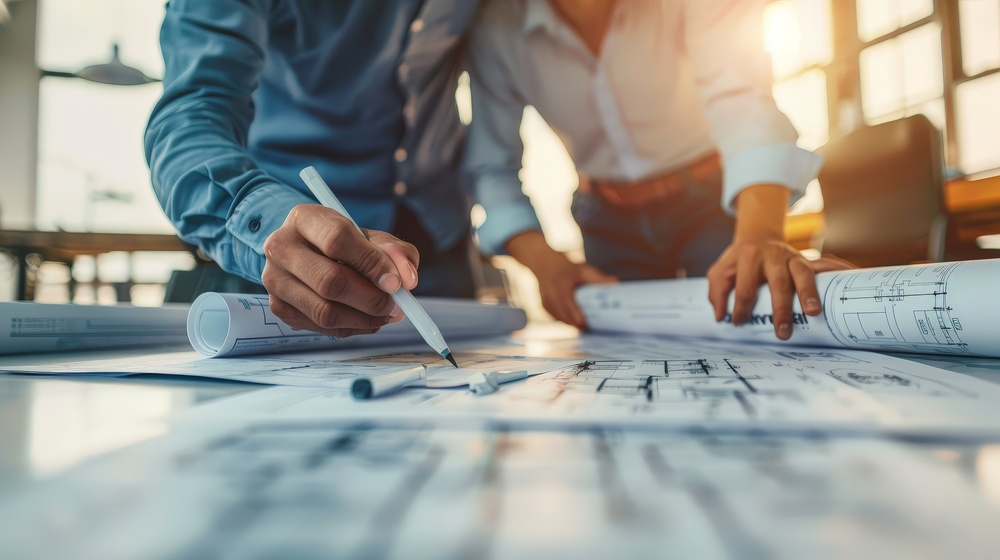
The best construction projects share a secret. Success gets locked in months before anybody breaks ground. Some people celebrate groundbreakings and ribbon cuttings. The real victories, though, happened earlier in conference rooms filled with rolled-up drawings and coffee-stained notebooks. Planning separates projects that shine from those that stumble.
The Hidden Foundation of Success
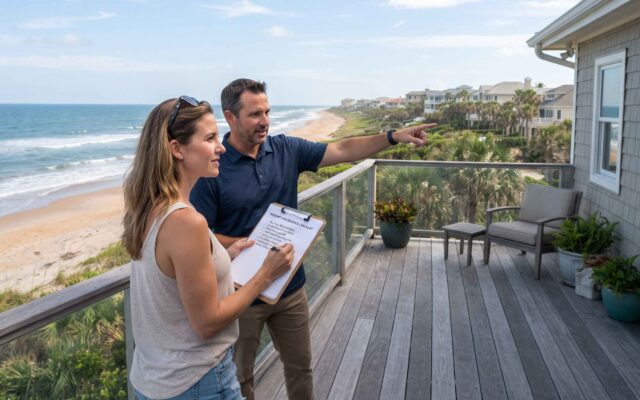
Failed projects tell familiar stories. Somebody got impatient. Money got approved too fast. Pretty drawings ignored muddy reality. Contractors hit problems nobody saw coming. Budgets exploded like fireworks. Deadlines whooshed by. Fingers pointed everywhere. Good projects start differently. Teams walk empty lots in work boots, not dress shoes. They dig test holes. They watch where puddles form after rain. Old timers from the neighborhood share stories about floods from twenty years ago. Utility companies mark buried lines. This legwork feels tedious, but it beats expensive surprises.
Smart planners play chess, not checkers. Material prices might jump next summer. The crane needs somewhere to sit for three months. Workers need bathrooms and parking spots. The city planning board only meets once a month. Each problem solved on paper saves thousands in the field. Fix it with an eraser now or a jackhammer later.
Stakeholder Voices Shape Better Outcomes
Buildings affect more than just their owners. Somebody has to work inside them every day. Delivery trucks need to reach loading docks. Next door neighbors deal with construction noise. The whole community lives with what gets built. Take a factory expansion. Seems simple enough. Build it bigger, squeeze in more machines, make more products. But forklift drivers know which corners are too tight. The shipping clerk knows why trucks back up at 3 PM. Maintenance guys know which pumps freeze every winter. Their stories prevent repeat mistakes.
People fight what gets forced on them. They support what they help shape. Show them how their suggestions changed the plans. Now they’ll defend the project at town meetings instead of complaining. Support beats resistance every time.
Technical Planning Prevents Expensive Mistakes
Buildings hide complicated guts. Wires, pipes, ducts, and data cables snake through walls and ceilings. Each trade needs space. Everybody thinks their system matters most. Without coordination, the electrician drills through the plumber’s pipe. Engineering firms like Commonwealth help clients figure out energy solutions way before shovels hit dirt. They study power needs, find ways to cut waste, and design systems that won’t bleed money for the next thirty years. Get this right early or pay for it forever. Computers catch fights between systems before they happen. That beam blocks the air duct. The sprinkler pipe freezes against the outside wall. The server room gets too hot. Software finds these problems while fixes remain cheap.
Permits eat time if you’re not ready. The health department wants grease trap details. Environmental regulators worry about storm water. Zoning boards need parking calculations. Fire marshals check exit widths. Start early or sit around waiting while costs pile up.
Conclusion
Great buildings grow from invisible roots. Site detectives uncover hidden surprises. Early conversations turn skeptics into supporters. Technical puzzles get solved on screens instead of scaffolding. Permit applications move through the system while designs develop. This quiet work makes everything else possible. Construction crews build what planners prepare. Rush the thinking and you’ll rush the building. Rushed buildings leak, crack, and disappoint. But give planners time to think things through? That’s when ordinary projects become extraordinary. The excavators and cranes put on the show, but the real magic happened months earlier when somebody asked “what if?” and took time to find the answer. That’s where great projects really begin.