Best Seasons for Trekking and Climbing in Nepal: A Complete Month-by-Month Guide

Nepal is one of the world’s most popular destinations for trekking, mountaineering, and adventure tourism. Home to eight of the world’s fourteen mountains above 8,000 meters, including Mount Everest, the country offers extraordinary opportunities for outdoor enthusiasts. From scenic Himalayan trekking trails and traditional mountain villages to challenging high-altitude climbing expeditions, Nepal attracts thousands of international travelers every year.
However, choosing the right season is one of the most important decisions when planning an adventure in the Himalayas. Weather conditions, visibility, temperature, snowfall, rainfall, and trail accessibility can significantly influence the overall experience.
Whether you are planning the Everest Base Camp trek, exploring the Annapurna region, or preparing to climb Mera Peak, Island Peak, or Lobuche East, understanding Nepal’s trekking and climbing seasons will help you plan a safer and more rewarding journey.
Generally, spring (March to May) and autumn (September to November) are considered the best seasons for trekking and climbing in Nepal. Nevertheless, winter and monsoon also offer opportunities for specific destinations and experienced adventurers.
Understanding the Four Seasons in Nepal
Nepal experiences four major seasons, each offering different conditions for trekking and mountaineering.
1. Spring Season (March to May): One of the Best Times for Trekking and Peak Climbing
Spring is one of the most popular seasons for Himalayan adventures. During this period, temperatures gradually become warmer, mountain trails become more accessible, and the landscapes come alive with blooming rhododendrons and other seasonal flowers.
The weather is generally favorable, particularly during March and April, although occasional clouds and afternoon winds can occur at higher elevations.
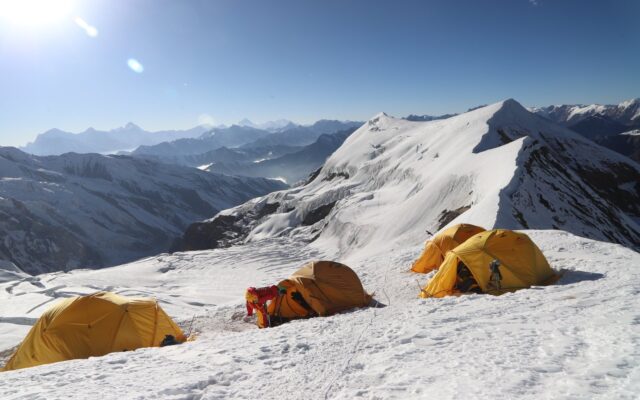
Spring is especially attractive for mountaineering because many Himalayan climbing expeditions take place during this season. Longer daylight hours and relatively stable weather windows provide opportunities for high-altitude climbing.
Popular activities during spring include:
– Everest Base Camp trekking
– Annapurna Circuit and Annapurna Base Camp trekking
– Manaslu Circuit trekking
– Mera Peak climbing
– Island Peak climbing
– Lobuche East climbing
– Everest and other major Himalayan expeditions
For climbers interested in technical preparation and high-altitude experience, spring is an excellent time to consider Nepal’s popular trekking peaks.
Mera Peak is particularly attractive for mountaineers looking to experience a 6,000-meter Himalayan summit. Travelers can explore the [Mera Peak Climbing from Khare – 3 Days](https://himalayaking.com/package/mera-peak-climbing-from-khare-3-days) option or choose a longer Mera Peak Climbing Expedition.
Similarly, Island Peak and Lobuche East offer rewarding climbing experiences in the Everest region.
2. Autumn Season (September to November): The Best Season for Himalayan Trekking
Autumn is widely considered the best overall season for trekking in Nepal. Following the summer monsoon, the atmosphere becomes clearer, vegetation looks fresh, and mountain views are often spectacular.
September marks the transition from monsoon to autumn. Although early September can still experience rainfall in some areas, October and November generally offer excellent trekking conditions.
The combination of clear mountain views, comfortable daytime temperatures, and relatively stable weather makes autumn particularly popular among international visitors.
Why choose autumn for trekking?
– Excellent mountain visibility.
– Generally stable weather conditions.
– Comfortable temperatures for walking.
– Beautiful landscapes after the monsoon.
– Favorable conditions for many Himalayan trekking routes.
Popular destinations include Everest Base Camp, Gokyo Lakes, Annapurna Circuit, Langtang Valley, and Manaslu Circuit.
The Everest Base Camp Trek is particularly popular during October and November, when trekkers can enjoy impressive views of Everest, Lhotse, Nuptse, and surrounding Himalayan peaks.
Also read: Himlung Himal Expedition: Exploring Nepal’s 7,000-Meter Mountaineering Adventure
Autumn is also suitable for many peak climbing adventures, although actual climbing conditions depend on snowfall, wind, temperature, and mountain conditions.
3. Winter Season (December to February): A Quieter Himalayan Experience
Winter brings colder temperatures, particularly at higher elevations. Heavy snowfall can affect high mountain passes, trekking trails, and climbing routes.
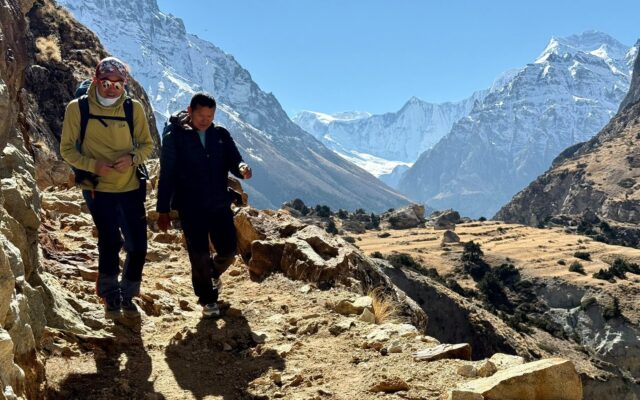
However, winter can still be an excellent season for lower-altitude trekking and travelers who prefer quieter trails.
Popular lower-altitude destinations include Ghorepani Poon Hill, lower Annapurna routes, Kathmandu Valley hiking, and selected cultural trekking experiences.
Advantages of winter trekking:
– Fewer trekkers on many routes.
– Peaceful mountain villages.
– Clear skies on many days.
– Beautiful snow-covered landscapes.
– Opportunities for lower-altitude adventures.
High-altitude climbing during winter requires considerable experience and careful assessment of weather conditions. Extremely cold temperatures, strong winds, and heavy snowfall can make technical expeditions significantly more challenging.
For most first-time visitors, lower-altitude trekking is a more suitable winter option.
4. Monsoon Season (June to August): Exploring Nepal’s Green Landscapes
The summer monsoon brings heavy rainfall to much of Nepal. Trails can become muddy and slippery, leeches are common in forested areas, and landslides may affect transportation and trekking routes.
Mountain visibility can also be limited because of cloud cover.
Nevertheless, monsoon does not mean that every destination in Nepal becomes unsuitable for trekking.
Certain rain-shadow regions, particularly Upper Mustang and Dolpo, receive considerably less rainfall than Nepal’s southern and central Himalayan foothills.
These destinations offer unique landscapes, traditional Tibetan-influenced culture, ancient monasteries, and remote mountain settlements.
Monsoon can also be a good time to explore Nepal’s cultural attractions, local villages, and lower-altitude destinations when weather conditions permit.
Best Months for Peak Climbing in Nepal
Peak climbing requires more careful seasonal planning than ordinary trekking. Climbers must consider snow conditions, wind speed, temperature, route accessibility, and suitable summit weather windows.
Spring and autumn are the two major climbing seasons for many Himalayan peaks.
Mera Peak Climbing
Standing at 6,476 meters, Mera Peak is one of Nepal’s most popular trekking peaks. It offers impressive views of Everest, Lhotse, Makalu, Cho Oyu, and other Himalayan giants.
Spring and autumn generally provide favorable opportunities for climbing Mera Peak.
The climb is an excellent objective for trekkers seeking their first experience of high-altitude mountaineering, provided they have adequate physical preparation and suitable guidance.
Also read: Beyond the Trails: Why Choosing a Local Sherpa-Led Trekking Company Makes a Difference in Nepal
Travelers looking for a shorter climbing arrangement from Khare can explore Mera Peak Climbing from Khare in 3 Days.
For those interested in additional comfort and upgraded arrangements, the [Luxury Mera Peak Climbing Package](https://himalayaking.com/package/luxury-mera-peak-climbing) offers another option.
Island Peak Climbing
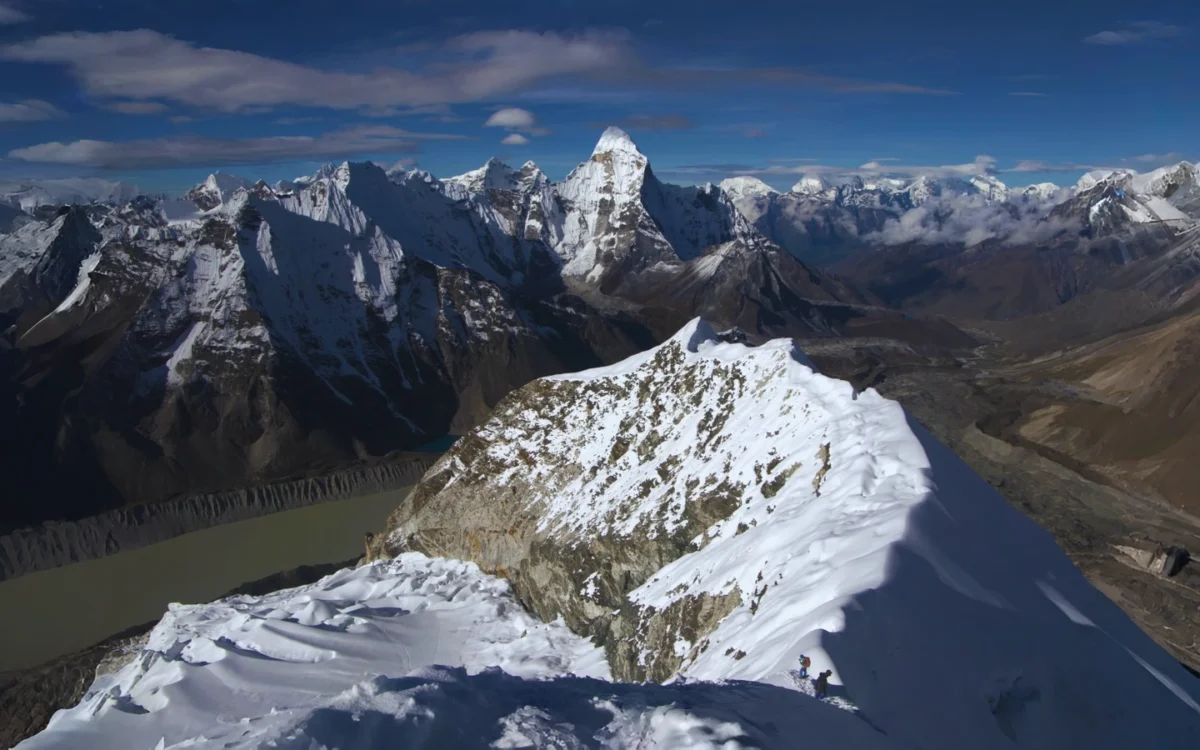
Island Peak, also known as Imja Tse, stands at 6,189 meters in the Everest region.
It is a popular destination for climbers looking to develop their mountaineering skills and experience technical Himalayan climbing.
The mountain involves glacier travel, fixed ropes, crampon use, and a steep final climbing section. Previous trekking experience, physical fitness, and basic mountaineering preparation are important.
Spring and autumn are generally the preferred climbing seasons.
Climbers already trekking independently in the Everest region can consider the Island Peak Climbing from Chhukung – 3 Daysoption.
Alternatively, the Island Peak Climbing Expedition provides a longer expedition arrangement.
Lobuche East Peak Climbing
Lobuche East, at approximately 6,119 meters, is another attractive climbing destination in the Everest region.
The mountain offers a more technical climbing experience than many trekking peaks and requires good physical fitness, previous high-altitude experience, and familiarity with mountaineering equipment.
Spring and autumn are generally the preferred seasons, depending on snow conditions and weather forecasts.
For climbers already in the Everest region, Lobuche East Peak Climbing from Lobuche – 3 Days offers a shorter climbing arrangement.
Travelers looking for a more comprehensive climbing experience can explore the Lobuche Peak Climbing Expedition
Month-by-Month Guide to Trekking and Climbing in Nepal
Understanding the general conditions throughout the year can help travelers select the most suitable departure date.
January: Cold conditions at high elevations. Better for lower-altitude trekking and selected winter adventures.
February: Gradually improving temperatures toward the end of the month. Suitable for lower-altitude trekking.
March: Beginning of the spring trekking and climbing season. Rhododendrons start blooming, and mountain conditions gradually improve.
April: One of the busiest months for trekking and mountaineering. Popular for Everest region trekking and peak climbing.
May: Warmer temperatures and longer days. An important month for Himalayan mountaineering, although pre-monsoon clouds can develop.
Also read: Hidden Gems Along the Everest Base Camp Trek
June: Beginning of the monsoon in many parts of Nepal. Rainfall increases, especially at lower elevations.
July: Heavy monsoon conditions across much of the country. Rain-shadow destinations offer better alternatives.
August: Monsoon continues, although conditions may gradually improve toward the end of the month.
September: Transition from monsoon to autumn. Late September often brings improving trekking conditions.
October: One of the best months for trekking, mountain photography, and many peak climbing adventures.
November: Excellent trekking conditions during much of the month, with colder temperatures developing toward winter.
December: Colder conditions at higher elevations. Suitable for selected lower-altitude treks and winter mountain experiences.
These are general seasonal patterns. Actual weather conditions can vary significantly between regions and from year to year.
How to Choose the Right Season for Your Himalayan Adventure
The best season depends on your destination, experience, fitness level, and travel preferences.
If you want excellent mountain views and comfortable trekking temperatures, October and November are excellent choices.
If you are interested in rhododendron forests, warmer weather, and high-altitude climbing opportunities, March and April are particularly attractive.
For climbers planning a technical expedition, the choice of season should also consider the specific mountain, route conditions, and availability of experienced climbing support.
Before confirming your trip, consider the following:
1. Research the altitude and difficulty of your selected destination.
2. Allow enough time for proper acclimatization.
3. Choose appropriate clothing and mountaineering equipment.
4. Check weather conditions and local travel information.
5. Arrange the required trekking and climbing permits.
6. Select a reputable local trekking or expedition operator.
7. Ensure you have appropriate travel and high-altitude medical evacuation insurance.
Experience Nepal with Himalaya King Trekking & Expedition
Choosing the right season is an important part of planning a successful Himalayan adventure, but experienced local support, proper preparation, and responsible mountain practices are equally important.
At Himalaya King Trekking & Expedition Pvt. Ltd., based in Kathmandu, Nepal, we organize trekking adventures, peak climbing trips, and high-altitude mountaineering expeditions throughout the Nepal Himalayas.
Our team works with experienced local guides, climbing Sherpas, and mountain professionals to coordinate permits, accommodation, transportation, climbing equipment, and expedition logistics.
Whether you are planning your first Everest Base Camp trek, preparing for Mera Peak or Island Peak, or looking for a more challenging Himalayan climbing experience, our team can help you select an appropriate itinerary based on your schedule and experience.
Nepal’s mountains offer incredible opportunities throughout the year. With the right season, careful planning, and experienced local guidance, your Himalayan adventure can become a truly unforgettable experience.
Start planning your next adventure with Himalaya King Trekking & Expedition and discover the extraordinary beauty of the Nepal Himalayas.