North Park Central Documents Yishun 10’s Role as an Early Suburban Entertainment Spot

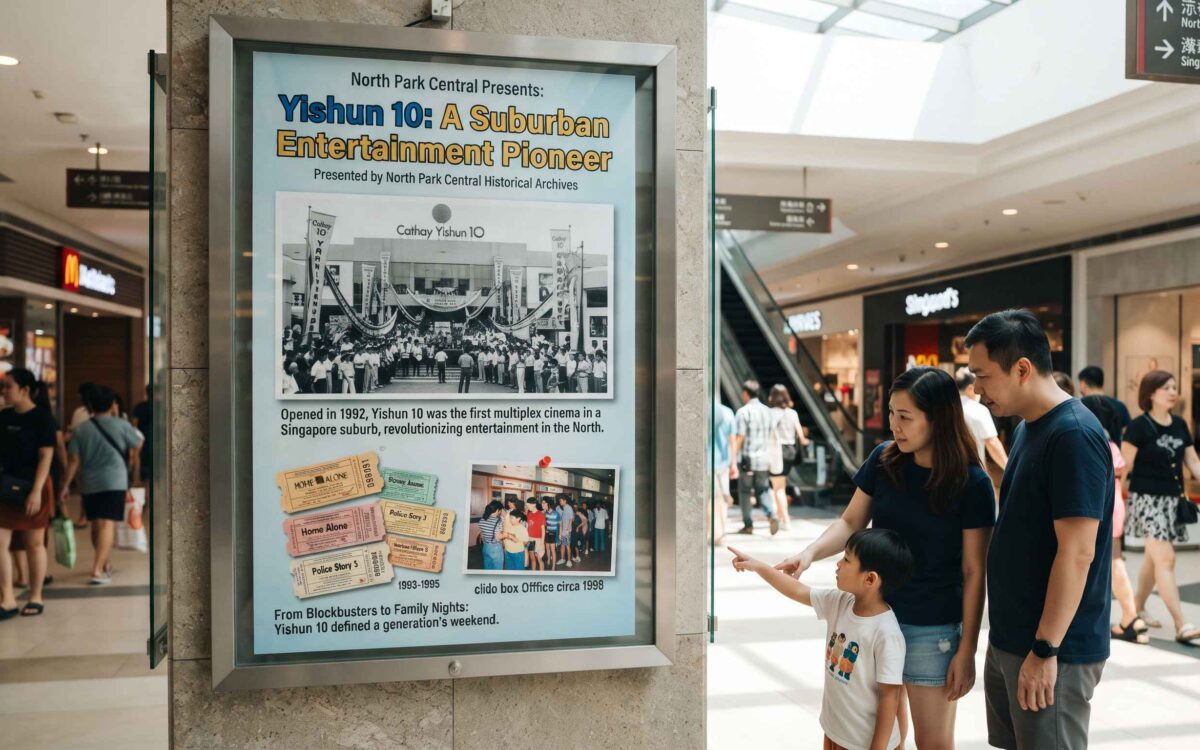
North Park Central Revisits Yishun 10’s Early Suburban Cinema Legacy
Before entertainment became an expected feature of Singapore’s regional centres, a cinema outing could give a suburban neighbourhood a new sense of occasion. Yishun 10 belongs to that chapter of the island’s development. Its significance extends beyond the films it screened: it helped establish Yishun as somewhere residents could spend an evening, meet friends and enjoy leisure closer to home. For North Park Central, the new condominium at Yishun Central 1 by Frasers Property, this history offers a meaningful perspective on the surrounding neighbourhood.
Understanding Yishun 10’s role means looking beyond nostalgia. The cinema represented a shift in how Singaporeans experienced suburban life, bringing a more substantial entertainment offering into an established residential town. It showed how a familiar daily environment could also become a destination for shared experiences. That distinction remains relevant when considering the character of Yishun Central today.
When Cinema Brought a New Rhythm to Yishun
Opened in 1992, Yishun 10 was an early landmark in Singapore’s multiplex cinema story. Its arrival brought multiple screens together in a suburban setting, expanding the possibilities of a neighbourhood cinema visit. Rather than treating entertainment as something primarily associated with the city centre, it gave audiences a compelling reason to spend their leisure time in Yishun.
The importance of that change was practical as much as cultural. A film could become part of an evening near home, rather than the centrepiece of a longer journey elsewhere. Friends could arrange to meet locally, families could plan a weekend outing, and nearby food outlets could become part of the same occasion. Cinema helped connect these everyday activities into a recognisable suburban leisure experience.
A Shared Destination Beyond the Residential Routine
Early suburban entertainment venues gave towns something that residential buildings alone could not provide: a shared destination. Yishun 10 offered a place around which people could organise their free time. The attraction was not simply the screen, but the anticipation before a show and the conversations afterwards.
These small rituals matter in the life of a neighbourhood. Over time, recurring visits can turn a commercial venue into a personal reference point. A first cinema date, an outing with school friends or a family movie afternoon can attach lasting meaning to an otherwise ordinary part of town. This is where entertainment history becomes neighbourhood history.
North Park Central Places Yishun 10 Within the Town’s Story
For North Park Central, revisiting Yishun 10 provides context rather than a claim of inherited prestige. The connection lies in place: a new residential address at Yishun Central 1 sits within a town whose identity has been shaped by decades of living, gathering and recreation. The cinema’s story helps explain how that identity acquired depth.
This is an important distinction in property storytelling. A neighbourhood is not defined solely by its newest buildings or its current selection of amenities. It also reflects the uses and habits that developed before them. Yishun 10 illustrates an earlier stage in the town’s evolution, when a substantial cinema destination helped broaden expectations of what suburban living could include.
Seen through this lens, the appeal of an established location becomes more textured. Convenience matters, but so does the sense that a district has a life beyond individual developments. Yishun’s entertainment history offers one way to understand that continuity without reducing the neighbourhood to a checklist.
How an Entertainment Spot Strengthened Local Identity
A cinema can influence the way a place is perceived. When audiences associate a town with an enjoyable evening out, it becomes more than somewhere to return after work or school. Yishun 10 contributed to that broader understanding of Yishun, giving entertainment a visible role within its suburban identity.
Its place in the early multiplex era is especially relevant. Bringing several screens into one destination supported a different scale of moviegoing from the traditional single-screen experience. In a suburban context, that helped position cinema as a regular leisure option rather than an occasional trip reserved for a more central location.
The Value of Leisure Close to Home
The enduring lesson is not that every resident shares the same entertainment preferences. It is that neighbourhoods gain character when they accommodate life beyond essential errands. Places for recreation create opportunities to linger, meet and participate in a shared local environment.
Yishun 10’s history makes this idea tangible. Long before lifestyle convenience became standard property language, the cinema demonstrated the appeal of bringing a memorable leisure experience into a residential town. Its significance rests in that contribution, rather than in any suggestion that one venue alone transformed Yishun.
Reading Yishun’s Present Through Its Entertainment Past
Documenting Yishun 10’s role offers a grounded way to appreciate the setting of North Park Central. It draws attention to the relationship between homes and the places where residents spend their discretionary time. The result is a fuller picture of Yishun Central, informed not only by what is new, but by the experiences that helped shape the town.
For prospective homeowners, this history adds a quieter dimension to the location’s appeal. North Park Central introduces a new residential chapter, while Yishun 10 recalls an earlier moment when suburban leisure was finding a larger stage. Together, these perspectives frame Yishun as a place with an evolving identity: residential at its core, yet long capable of bringing people together for something beyond the everyday.