As the sun dips below the horizon, your home’s exterior undergoes a quiet transformation. Shadows stretch across walkways, porches lose their welcoming glow, and the garden you’ve carefully cultivated disappears into darkness. For many homeowners, this daily transition brings frustration—fumbling for switches, forgetting to turn lights on before leaving, or returning to a dim, uninviting entryway. Inadequate outdoor illumination isn’t just an inconvenience; it compromises safety and diminishes the beauty you’ve invested in your property. Dusk to dawn outdoor wall lanterns offer an elegant, hands-free solution that bridges the gap between nightfall and sunrise. These intelligent fixtures detect fading light and respond automatically, bathing your exterior spaces in consistent, energy-efficient illumination without any manual intervention. This article will guide you through understanding how these lights work, selecting the right brightness and durability for your needs, matching fixtures to your home’s architectural style, and installing them with confidence—so every evening becomes both safe and stunning.
Understanding Dusk to Dawn Outdoor Wall Lanterns: The Basics
Dusk to dawn outdoor wall lanterns are fixtures equipped with built-in photoelectric sensors—small light-detecting cells that monitor ambient brightness. When natural light fades below a set threshold, the sensor triggers the lamp to activate; when morning light returns, it switches off automatically. This simple yet effective mechanism eliminates timers, manual switches, and smartphone apps from the equation. Most modern units pair these sensors with LED technology, which produces bright, focused illumination while consuming a fraction of the energy older bulbs required. The housings are purpose-built for exterior use, typically featuring sealed compartments that protect internal electronics from moisture and temperature swings. Unlike standard outdoor wall lights that rely on you to remember the switch or a preset timer that drifts with the seasons, dusk to dawn lanterns adapt in real time to changing daylight conditions. The result is consistent, reliable lighting every single night without any effort on your part.
The Multifaceted Benefits of High-Performance Outdoor Wall Lighting
High-performance lighting does more than illuminate—it actively protects your home. Consistent, automatic illumination eliminates the dark pockets that intruders exploit, making your property a less attractive target without the telltale flicker of motion-activated alternatives that signal occupancy patterns. From an energy standpoint, LED-based dusk to dawn fixtures consume roughly 75 percent less electricity than traditional incandescent or halogen options, translating to meaningful savings across thousands of annual operating hours. Real estate professionals consistently note that well-designed exterior lighting boosts curb appeal and perceived property value, signaling to potential buyers that a home is thoughtfully maintained. Beyond security and economics, these fixtures extend the functional hours of your outdoor living spaces. A patio bathed in warm, steady light becomes a dining area well past sunset; an entryway that glows reliably feels welcoming to guests and reassuring to family members arriving home late. The reliability of automated, high-performance lighting means these benefits repeat every single evening without adjustment or attention.
How to Choose the Right Lumen Output for Your Outdoor Spaces
Selecting the appropriate lumen output is one of the most consequential decisions you’ll make when planning your exterior lighting. Too few lumens leave dark spots that undermine safety; too many create harsh glare that irritates neighbors and washes out your home’s character. Start by identifying the primary purpose of each lighting zone. An entryway demands enough brightness to clearly illuminate faces, house numbers, and lock mechanisms, while a garden path only needs gentle guidance to keep feet on track. Consider the size of the area each fixture must cover—a broad porch wall requires more output than a narrow side passage. The color of surrounding surfaces matters too; dark brick or deep-toned siding absorbs light and effectively reduces perceived brightness, meaning you may need a higher lumen fixture than someone with light-colored stucco. Finally, think about the mood you want to create. Functional security lighting calls for crisp, generous output, whereas ambient entertaining spaces benefit from softer, more restrained levels that invite relaxation rather than squinting.
Lumen Recommendations for Key Outdoor Areas
For front entryways and doorways, aim for 300 to 500 lumens per fixture. This range provides enough light to greet visitors warmly, read packages, and operate locks without flooding the space. Flanking a door with two fixtures at the lower end of this range often produces better coverage than a single brighter unit, because light arrives from two angles and reduces shadows. Pathways and walkways require less intensity—100 to 200 lumens spaced at regular intervals keeps footing secure without creating a runway effect. Decorative garden accents and architectural highlights work best between 50 and 100 lumens, where the goal is to suggest shape and texture rather than fully illuminate. Keep in mind that mounting height influences how lumens translate to ground-level brightness; a fixture placed at eight feet disperses light over a wider area than one at five feet, so higher mounts may justify slightly greater output.
Tools and Tips for Accurate Lumen Calculation
Several free online lighting calculators allow you to input your space dimensions, surface reflectance, and mounting height to receive a recommended lumen total. These tools remove guesswork and help you avoid the common mistake of over-lighting, which wastes energy and creates light pollution. If calculations feel overwhelming, many lighting retailers offer consultations where a specialist reviews photos of your home and suggests appropriate output levels. As a practical rule of thumb, start conservatively—you can always swap in a slightly brighter LED bulb later, but you cannot easily reduce the output of a fixture that proves too intense. Balancing brightness with efficiency ensures your dusk to dawn lanterns deliver comfort without inflating your electricity bill or disturbing the neighborhood’s nighttime ambiance.
Selecting Durable Fixtures That Withstand Environmental Conditions
Outdoor wall lanterns face relentless exposure to rain, wind, UV radiation, temperature extremes, and airborne debris. A fixture that looks stunning on day one but corrodes, cracks, or fogs within a year represents wasted money and effort. Prioritizing durability during the selection process ensures your investment continues performing and looking sharp for years. The three pillars of outdoor fixture longevity are ingress protection ratings, material composition, and construction quality. A well-sealed housing prevents moisture from reaching sensitive electronics, while robust materials resist the corrosive effects of salt air, acidic rain, and freeze-thaw cycles. Construction details like gasket-sealed lens frames, stainless steel fasteners, and reinforced mounting plates distinguish fixtures built for genuine outdoor service from those merely marketed as outdoor-compatible. Coastal homeowners face accelerated salt corrosion, desert dwellers contend with intense UV and sand abrasion, and northern climates impose ice loads and sub-zero temperatures—each environment demands specific attention to ratings and materials.
Decoding IP Ratings for Outdoor Wall Lighting
The Ingress Protection rating system uses two digits to communicate a fixture’s resistance to solids and liquids. The first digit ranges from 0 to 6 and indicates protection against particles like dust and insects; the second digit ranges from 0 to 9 and describes water resistance. For most residential outdoor wall applications, IP44 represents the minimum acceptable standard—it blocks objects larger than one millimeter and protects against splashing water from any direction. IP65 offers a significant upgrade: complete dust-tightness combined with resistance to low-pressure water jets, making it suitable for exposed walls that receive direct rainfall. If your fixtures sit beneath a sheltered overhang, IP44 may suffice, but any location exposed to driving rain, sprinkler spray, or heavy snowmelt warrants IP65 or higher. When comparing products, verify that the stated IP rating applies to the fully assembled fixture, not just the housing alone, since poorly sealed lens joints can compromise an otherwise solid rating.
Material Choices for Long-Lasting Performance
Die-cast aluminum remains the gold standard for outdoor lighting housings because it combines structural strength with natural corrosion resistance, especially when finished with a multi-layer powder coat that seals the surface against moisture and UV damage. Stainless steel hardware prevents the rust streaks that plague fixtures assembled with ordinary carbon steel screws. For lens components, tempered glass outperforms standard glass and acrylic in impact resistance—it withstands hail, wind-blown gravel, and accidental contact without shattering into dangerous shards. Polycarbonate offers even greater impact tolerance and lighter weight, though it can yellow over time under intense UV exposure unless treated with a stabilizing coating. Choosing fixtures constructed from these premium materials means fewer replacements, less maintenance, and consistent appearance across seasons. The upfront cost difference between a budget fixture and a well-built alternative typically pays for itself within two to three years through avoided replacements and reduced upkeep.
Achieving Architectural Elegance with LED Wall Packs
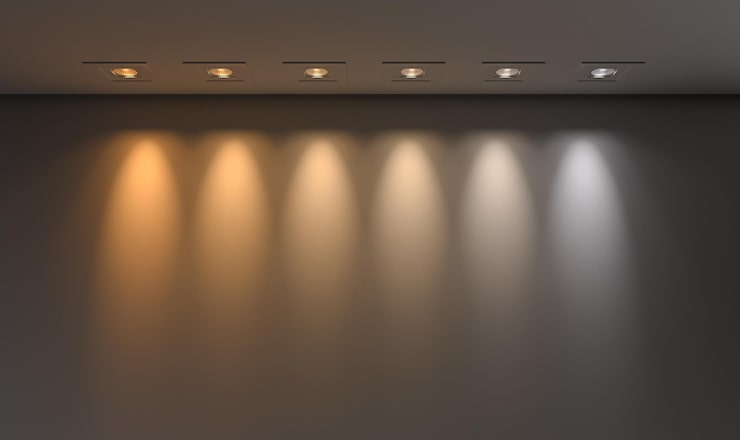
The most effective outdoor lighting doesn’t just illuminate—it harmonizes with your home’s design language. LED wall packs have evolved far beyond the utilitarian metal boxes associated with commercial buildings, now available in profiles that complement everything from colonial revivals to minimalist contemporary facades. Manufacturers like Hyperlite have expanded their LED wall pack lines to include options that suit both residential aesthetics and commercial durability standards. When selecting a style, study the dominant lines of your architecture. Homes with ornate trim, arched windows, and traditional rooflines pair naturally with lantern-style fixtures featuring curved frames and seeded glass panels. Clean-lined modern homes demand sleek, geometric housings with flush mounts and minimal ornamentation. Color temperature plays an equally important role in achieving architectural elegance—warm tones between 2700K and 3000K enhance brick, stone, and wood with a golden glow that feels inviting, while cooler temperatures around 4000K suit contemporary concrete and metal surfaces by emphasizing crisp edges. Matching your fixture finish to existing hardware like door handles, house numbers, and railings creates visual cohesion that elevates curb appeal. The slim profiles of modern LED wall packs sit close to the wall surface, casting light downward or in controlled patterns that highlight texture without overwhelming the architecture itself.
Practical Installation and Maintenance Steps for Homeowners
Before touching any wiring, switch off the circuit breaker serving your exterior lights and confirm the power is dead using a non-contact voltage tester. Mount your fixture at a height between six and eight feet—high enough to cast light broadly across the area, yet accessible for future bulb changes or cleaning. If you’re replacing an existing fixture, the mounting bracket and wiring box are likely already in place; simply connect the supply wires to the fixture leads using wire nuts, matching black to black, white to white, and green or bare copper to the ground screw. For new installations without existing wiring, hire a licensed electrician to run a dedicated circuit and install a weatherproof junction box. Once mounted, aim the photocell sensor away from artificial light sources like streetlamps or neighboring porch lights, which can confuse the sensor and prevent proper activation. After powering on, test the sensor by covering it with dark tape—the light should activate within seconds. For ongoing maintenance, wipe the lens and sensor face with a soft cloth every few months to prevent dirt buildup from reducing output or delaying activation. Inspect gaskets and seals at the start of each season, replacing any that appear cracked or compressed, and clear cobwebs or insect nests from around the housing to maintain unobstructed light distribution.
Bringing It All Together for Effortless Exterior Elegance
Transforming your home’s exterior from a nightly source of frustration into an elegant, welcoming environment comes down to three interconnected decisions. First, embrace the convenience of dusk to dawn automation—photoelectric sensors paired with efficient LED technology deliver reliable illumination every evening without switches, timers, or apps demanding your attention. Second, match your lumen output to each specific zone, providing generous brightness where safety demands it and softer levels where ambiance matters most. Third, invest in durable, architecturally appropriate fixtures built from quality materials with adequate IP ratings for your climate, ensuring years of maintenance-free performance rather than seasonal replacements. When these elements work together, the result extends beyond mere visibility. Your property gains security that deters without alarming, curb appeal that impresses without overwhelming, and functional outdoor living space that stretches well past sunset. Apply this guidance with confidence—measure your spaces, assess your environmental challenges, choose fixtures that speak your home’s design language, and install them properly. Every evening that follows will reward you with the kind of effortless elegance that makes a house truly feel like home.