Cosmetic tattooing has surged from a niche salon service to one of the most sought-after beauty trends of the decade. From perfectly shaped eyebrows to subtly tinted lips, permanent makeup offers a time-saving solution that more beauty enthusiasts are eager to master themselves. At the heart of this transformation lies an indispensable tool: the tattoo gun. Once reserved exclusively for professional tattoo artists, modern tattoo machines have evolved to meet the demands of at-home beauty practitioners who want salon-quality results without recurring appointments.
What separates a flawless cosmetic tattoo from a regrettable one often comes down to the tool itself. Features like precise control, unwavering stability, and vibration-free operation determine whether pigment lands exactly where intended or creates uneven, painful results. This article explores why tattoo guns have become essential equipment for beauty enthusiasts, examining the techniques that maximize their potential and the key performance characteristics to look for when selecting the right machine for cosmetic applications at home.
The Evolution and Role of Tattoo Guns in Permanent Makeup Applications
The tattoo gun traces its origins back to Thomas Edison’s electric pen of 1876, which Samuel O’Reilly later adapted into the first electromagnetic tattoo machine in 1891. For nearly a century, these devices served one primary purpose: body art. However, the late 1990s and early 2000s saw a pivotal shift as cosmetic professionals recognized the potential of modified tattoo machines for permanent makeup procedures. Early cosmetic devices were bulky and imprecise, but continuous engineering refinements gradually produced machines specifically designed for the delicate work of facial enhancement.
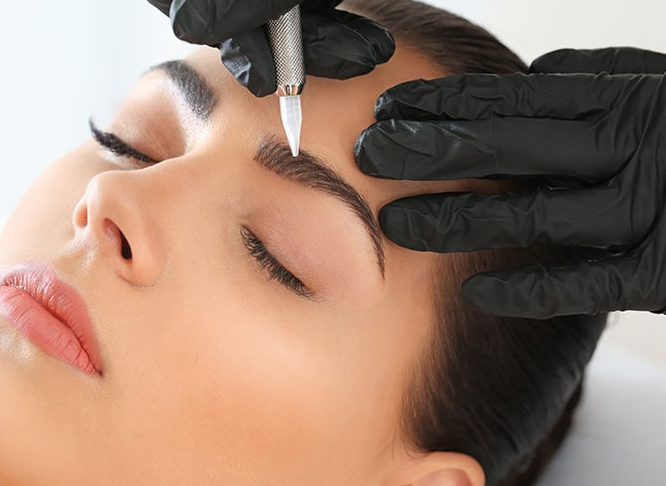
Today’s tattoo guns play a fundamental role in permanent makeup applications that beauty enthusiasts increasingly perform at home. Microblading devices create hair-like strokes that mimic natural eyebrow growth patterns, while rotary pen machines deliver the soft, diffused pigment deposits essential for lip blush and eyeliner procedures. These modern machines have been engineered with shorter needle throws, lighter frames, and adjustable speed settings that accommodate the shallow skin depths required for cosmetic work rather than traditional body tattooing.
What makes current-generation machines particularly suited to beauty enthusiasts is their emphasis on precision and safety. Built-in depth limiters prevent needles from penetrating too deeply into facial skin, reducing scarring risks. Quieter motors and streamlined pen-style designs make them approachable for non-professionals, while disposable cartridge needle systems address hygiene concerns that previously required autoclave sterilization equipment only found in professional studios.
Mastering Control and Stability for Flawless Cosmetic Tattooing
Control and stability represent the two pillars that separate professional-looking cosmetic tattoos from amateur mistakes. When depositing pigment into facial skin, even a millimeter of deviation can mean the difference between a naturally enhanced eyebrow and an obviously artificial one. A tattoo gun with precise control allows the user to regulate needle depth, speed, and stroke length simultaneously, ensuring pigment enters the dermis at exactly the right layer for long-lasting yet natural-looking results. Without this level of command, practitioners risk uneven color distribution, blurred edges, and painful overworking of delicate skin areas.
Stability directly influences how consistently pigment is deposited across the treated area. A machine that wobbles or shifts during operation forces the user to compensate with hand pressure, which introduces fatigue and inconsistency over longer sessions. Modern tattoo guns designed for cosmetic applications address this through weighted pen bodies that counterbalance motor movement, low-vibration drive mechanisms, and ergonomic profiles that nestle naturally into the hand. These engineering choices mean that the machine works with the practitioner rather than against them, allowing full attention to remain on technique and artistic execution rather than fighting equipment limitations.
Techniques to Enhance Hand Control and Machine Stability
Achieving steady results begins with grip technique—hold the machine like a pencil near its center of gravity, allowing your ring finger and pinky to rest against the client’s skin as an anchor point. Position your body so that your working arm is supported by the table surface, eliminating shoulder tension that transfers into micro-movements. Set your machine to a moderate speed initially, increasing only as your confidence grows, and practice consistent strokes on synthetic skin pads before working on live tissue. These foundational habits build the muscle memory necessary for controlled, repeatable results.
Achieving Vibration-Free Operation for Comfort and Precision
Excessive vibration in a tattoo machine creates a cascade of problems that undermine both comfort and final results. When a machine vibrates heavily, the needle tip bounces unpredictably against the skin surface, creating irregular pigment deposits that appear blotchy or diffused beyond their intended boundaries. For cosmetic applications where clean, crisp lines define the difference between enhanced beauty and obvious artificiality, this lack of needle precision proves particularly damaging. Beyond aesthetic concerns, vibration accelerates hand fatigue, causing practitioners to lose fine motor control within minutes rather than maintaining steady performance throughout a full session. The discomfort extends to the person receiving the treatment as well—vibrating needles create a more painful sensation because they drag and skip across skin rather than entering cleanly at consistent intervals.
Vibration-free operation transforms the cosmetic tattooing experience by allowing the needle to function as a true extension of the practitioner’s intent. Modern machines achieve this through brushless motors with precision-balanced armatures, dampening materials integrated into the housing, and direct-drive mechanisms that eliminate the mechanical play found in older coil-based designs. The practical impact is immediate: lines remain sharp and uniform, shading gradients appear smooth rather than stippled, and sessions can extend comfortably without the cumulative strain that causes late-session mistakes. For beauty enthusiasts working on their own faces using mirrors—an inherently challenging orientation—the absence of vibration removes one critical variable from an already demanding process, letting them focus entirely on placement accuracy and artistic vision rather than compensating for equipment instability.
Evaluating Tattoo Machine Performance for Optimal Results
Selecting a tattoo machine that performs consistently under varying conditions requires understanding several measurable criteria that directly affect cosmetic outcomes. Speed consistency ranks among the most critical factors—a machine that maintains steady RPM regardless of skin resistance ensures uniform pigment saturation across an entire brow or lip area. Fluctuations in motor speed cause some needle insertions to deposit more pigment than others, resulting in patchy coverage that becomes increasingly obvious as the tattoo heals and lighter spots emerge where the machine momentarily slowed.
Power output determines whether a machine can maintain its set speed when encountering denser skin areas without stalling or requiring excessive downward pressure from the practitioner. Underpowered machines force users to press harder, which paradoxically causes deeper needle penetration and increases trauma to surrounding tissue. Look for machines that specify their operating voltage range and maintain torque consistently across that spectrum. Durability also factors heavily into tattoo machine performance—motors that degrade after limited use develop inconsistencies that weren’t present during initial sessions, meaning early satisfactory results give way to unpredictable behavior as internal components wear. Coreless motors and high-grade bearings typically indicate longevity, while machines constructed with medical-grade materials resist the repeated sterilization processes that cosmetic work demands. Beauty enthusiasts benefit from evaluating these performance metrics before purchasing, as a machine that excels across all three categories eliminates equipment as a variable, letting skill development become the sole determinant of result quality.
Practical Solutions: Techniques and Tool Recommendations for Home Use
Step-by-Step Guide to Effective Cosmetic Tattooing Techniques
Begin every session with thorough skin preparation—cleanse the area with a gentle antiseptic, then apply a thin layer of numbing cream twenty minutes before starting. Allow the skin to reach a slightly taut state by stretching it gently with your non-dominant hand, which creates a smoother surface for pigment absorption. Select pigments specifically formulated for cosmetic tattooing rather than traditional body art inks, as these are designed to fade naturally and complement skin undertones without shifting to undesirable hues over time.
For eyebrow work, use short, feathered strokes that follow the natural direction of hair growth, lifting the needle at the end of each stroke to create tapered, realistic lines. Work from the tail toward the front of the brow, gradually reducing pressure to mimic how natural brows thin near the center of the face. For lip blush applications, start at the vermillion border with precise outlining strokes, then fill inward using small circular motions at a slightly higher speed setting to achieve soft, even color diffusion. Always complete one pass before assessing whether additional layers are needed—overworking skin in a single session causes unnecessary swelling and poor pigment retention.
Top Tattoo Gun Recommendations for Beauty Enthusiasts
When selecting a tattoo gun for home cosmetic use, prioritize machines that offer adjustable needle depth between 0.5mm and 2.0mm, as this range covers all facial applications without risking excessive penetration. Brands like Biomaser have developed ergonomic pen-style designs weighing under 150 grams that reduce hand fatigue during detailed work, while their brushless motors ensure the vibration-free operation necessary for precise line work around eyes and lips. Look for machines with digital speed displays that allow you to set exact RPM values rather than relying on vague dial positions, giving you repeatable settings across multiple sessions. Cartridge-based needle systems should be non-negotiable—they simplify hygiene protocols and allow quick switching between configurations for outlining and shading within a single appointment. Machines offering wireless operation through rechargeable batteries eliminate cord drag that can disrupt hand steadiness, and those with stroke length adjustability between 2.5mm and 3.5mm provide the versatility needed for both crisp hairstrokes and soft powder-fill techniques.
Mastering Permanent Makeup with the Right Tattoo Machine
Tattoo guns have earned their place as essential equipment for beauty enthusiasts because they deliver the three qualities that cosmetic tattooing demands above all else: precise control, unwavering stability, and vibration-free operation. These characteristics work together to ensure pigment lands exactly where intended, lines remain crisp and natural, and sessions proceed comfortably from start to finish. The evolution from bulky professional-only devices to sleek, accessible pen-style machines has democratized permanent makeup, placing salon-quality results within reach of dedicated home practitioners willing to invest in proper technique development.
Understanding how to evaluate tattoo machine performance—assessing speed consistency, power output, and long-term durability—empowers you to select equipment that eliminates tool limitations as a barrier to beautiful results. Combined with disciplined practice of proper grip methods, skin preparation protocols, and application techniques tailored to specific facial areas, the right machine becomes a reliable partner in your cosmetic enhancement journey. Start with synthetic skin practice, build your confidence gradually, and prioritize hygiene at every step. The tools and knowledge now exist for beauty enthusiasts to achieve professional permanent makeup results safely at home—your commitment to mastering both technique and equipment will determine the quality of outcomes you create.