
Digital calendars have become indispensable tools for managing everything from work meetings and family schedules to fitness routines and project deadlines. As standalone digital calendar devices gain popularity—offering always-on displays mounted on walls or desks—consumers face an increasingly common question: should they buy directly from the manufacturer or stick with familiar retail channels? Factory-direct pricing promises lower costs by cutting out distributors and retailers, but skeptics wonder whether those savings come at the expense of build quality, reliable support, or long-term durability.
This article tackles that core dilemma head-on. We’ll examine what factory-direct purchasing actually means for digital calendar buyers, evaluate whether the hardware holds up against retail-purchased alternatives, explore the technical support landscape, and ultimately help you determine if the total value justifies the investment. Whether you’re a remote worker streamlining your productivity setup or a household looking for a shared scheduling hub, understanding these factors will empower you to spend wisely without settling for less.
Understanding Factory-Direct Value for Digital Calendars
Factory-direct purchasing means buying a product straight from the company that designs and manufactures it, bypassing distributors, wholesalers, and retail storefronts. For digital calendar devices—those dedicated screens that display your schedule, sync with cloud services, and serve as always-visible planning hubs—this model has become increasingly accessible as manufacturers build their own online storefronts and ship directly to consumers.
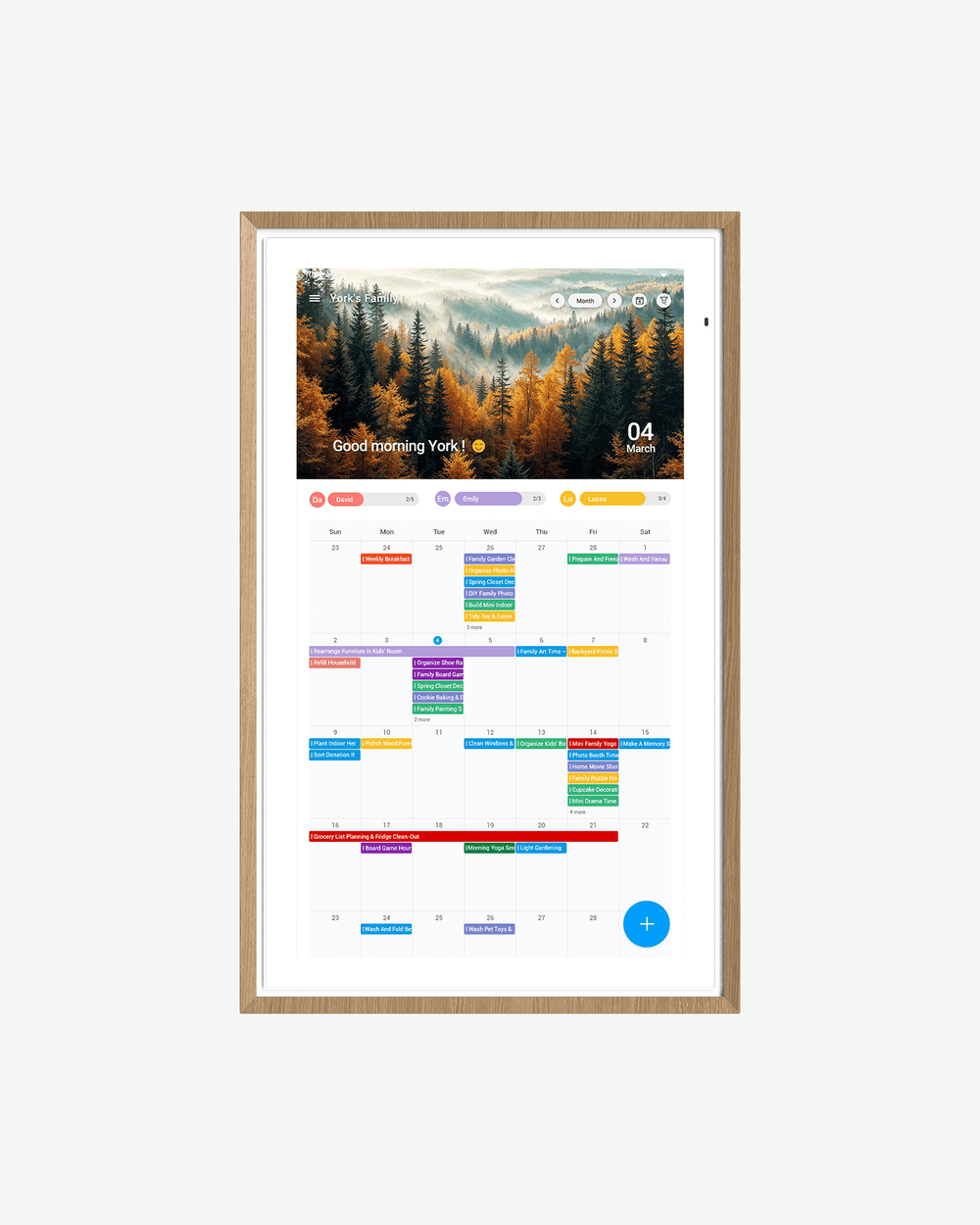 The factory-direct value proposition is straightforward: when you remove intermediaries from the supply chain, the markups they add disappear too. A retailer typically adds margin to cover shelf space, staff, and logistics, while a distributor takes a cut for warehousing and fulfillment. Eliminating these layers can translate into meaningful savings for the buyer, or alternatively, allow the manufacturer to invest more in components while keeping the final price competitive. This transparency also means you’re dealing with the people who actually built the product—giving you a clearer picture of what you’re paying for and why.
However, misconceptions persist. Some consumers assume factory-direct automatically means cheap or unpolished. Others worry about legitimacy, confusing direct-from-manufacturer sales with unbranded marketplace listings from unknown sellers. The reality is that many reputable digital calendar makers now prioritize direct channels precisely because it lets them control the customer experience from purchase through setup. Understanding this distinction is the first step toward making a cost-effective decision.
How Factory-Direct Pricing Works
In a traditional supply chain, a digital calendar travels from the factory floor to a regional distributor, then to a retailer, and finally to your doorstep. Each handoff introduces costs—warehousing fees, shipping between facilities, retailer overhead, and profit margins at every stage. Factory-direct models compress this journey. The manufacturer handles production, markets the product on its own website, and ships directly to you from its warehouse or fulfillment partner. Because fewer parties need to profit from each sale, the end price can drop by 15 to 40 percent compared to an equivalent retail listing. Some manufacturers pass the full savings to consumers; others reinvest a portion into better packaging, faster shipping, or extended warranty coverage—all of which enhance the overall value without inflating the sticker price.
Comparing Prices: Factory-Direct vs. Retail
When comparing prices, look beyond the number on the tag. Retail prices often bundle hidden costs: restocking fees for returns, limited-time promotional pricing that reverts quickly, or bundled accessories you don’t need. Factory-direct listings tend to be more transparent—what you see is what you pay, sometimes with optional add-ons clearly separated. To make a fair comparison, identify the exact model and specifications, then check the manufacturer’s site against major retailers. Factor in shipping costs, return policies, and any included extras like protective cases or mounting hardware. In many cases, the factory-direct option delivers the same or better package at a lower total outlay, reinforcing its reputation as a genuinely cost-effective path to owning a quality digital calendar.
Evaluating Premium Hardware in Digital Calendars
When you’re spending money on a dedicated digital calendar device, the hardware inside determines whether it becomes a reliable daily companion or a frustrating paperweight within a year. Premium hardware isn’t just about impressive spec sheets—it directly affects how responsive the touchscreen feels, how readable the display is in different lighting conditions, and whether the device can handle continuous operation without overheating or slowing down. For budget-conscious buyers, the concern is legitimate: does going factory-direct mean accepting inferior components to hit a lower price point?
The answer, in many cases, is the opposite. Manufacturers selling directly retain more revenue per unit, which gives them flexibility to source higher-quality displays, more efficient processors, and sturdier enclosures without pushing the final price above what retailers charge for mid-tier alternatives. Because they control the entire production pipeline, they can also optimize how components work together—tuning software to the specific hardware rather than building for the broadest possible compatibility. This integration often results in smoother performance and better energy efficiency than you’d expect at the price point. The key is knowing which hardware features matter most and how to spot genuine quality versus marketing fluff.
Key Hardware Features to Consider
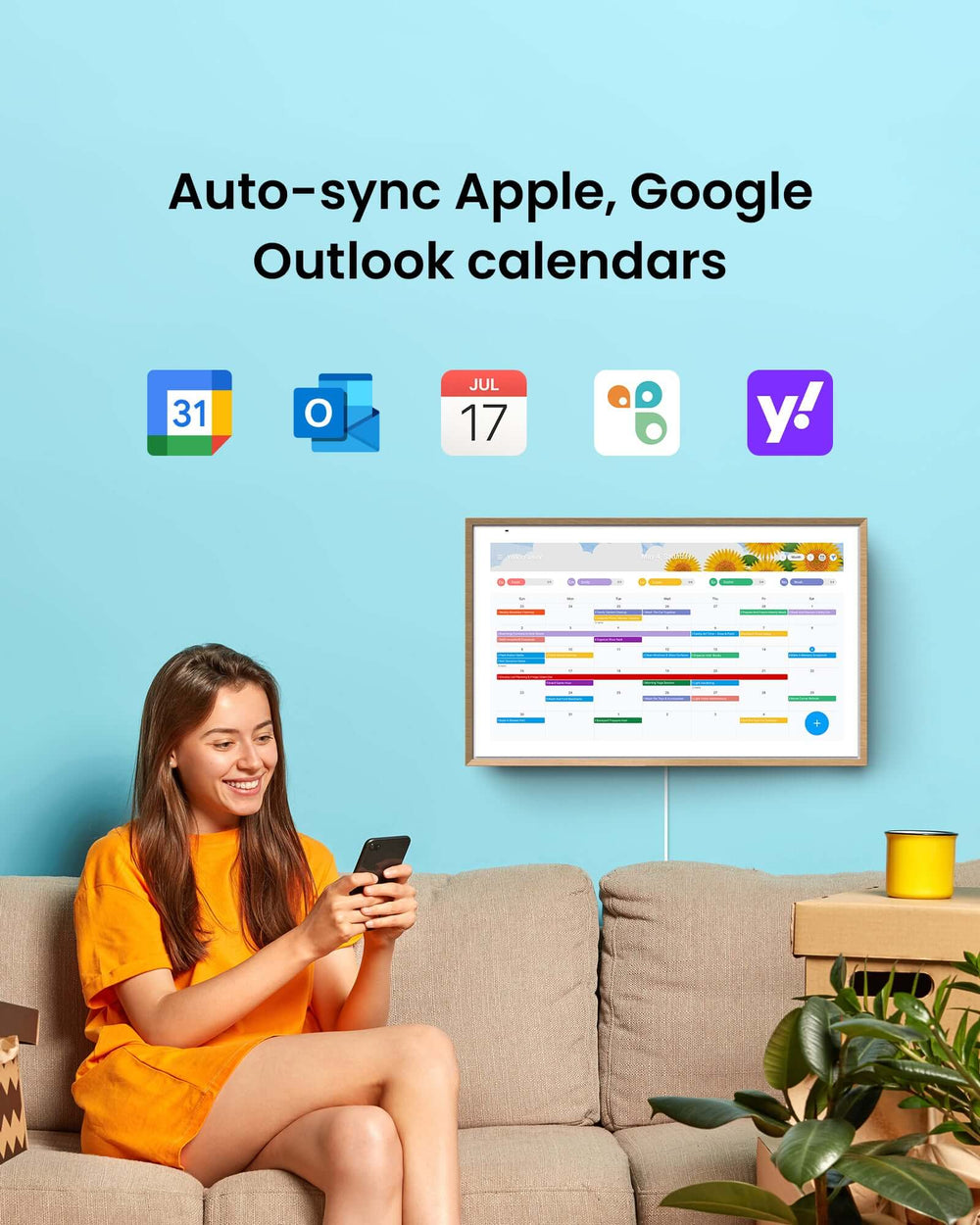
The display is the single most important component in any digital calendar. Since you’ll glance at it dozens of times daily, screen resolution and panel type matter enormously. IPS and e-ink panels offer wide viewing angles and excellent readability, while lower-quality TN panels can wash out when viewed from the side—a real problem for wall-mounted calendars in shared spaces. Look for screens with anti-glare coatings and sufficient brightness for well-lit rooms. Beyond the display, connectivity defines how useful the device actually is. Wi-Fi capability is essential for syncing with Google Calendar, Outlook, or Apple Calendar, and Bluetooth support enables pairing with phones or smart home systems. Processing power doesn’t need to be cutting-edge, but a capable chipset ensures the interface stays snappy when navigating between weeks or loading shared family calendars. Finally, consider the materials: aluminum frames and tempered glass fronts resist daily wear far better than all-plastic builds, and quality mounting hardware prevents the device from becoming a floor decoration after a few months on the wall.
Assessing Build Quality and Longevity
Evaluating durability before you buy requires a bit of detective work, especially when purchasing factory-direct. Start by examining the manufacturer’s own product teardowns or detailed spec pages—reputable companies are increasingly transparent about internal components and construction methods. Check whether the device uses name-brand display panels and chipsets, as these are easier to verify independently. Read user reviews with a focus on long-term ownership experiences rather than unboxing impressions; a calendar that looks great on day one but develops screen burn-in or connectivity drops after six months isn’t a bargain at any price. Pay attention to the warranty terms as well—manufacturers confident in their build quality typically offer at least a one-year warranty, and some provide two years or more on factory-direct purchases. Thermal design also matters for devices meant to run continuously; ask whether the unit includes passive heat dissipation features like ventilated housings or heat-spreading layers behind the display. By scrutinizing these details, you can confidently identify factory-direct digital calendars that deliver premium hardware and genuine longevity without the retail markup.
The Role of Technical Support in Your Purchase Decision
A digital calendar might seem like a simple device, but it lives at the intersection of hardware and cloud services—which means things can go wrong in ways that require human help. Wi-Fi connectivity issues, syncing failures with your preferred calendar platform, firmware bugs, or display anomalies all demand responsive technical support. For budget-conscious consumers, this consideration carries extra weight: saving money on the initial purchase means little if you’re left stranded when something breaks and there’s no one to call.
Technical support quality varies dramatically between factory-direct manufacturers and retail purchases, though not always in the direction you’d expect. When you buy from a retailer, support often becomes a ping-pong match—the store points you to the manufacturer, the manufacturer asks where you purchased it, and resolution stalls. Factory-direct purchases eliminate this ambiguity entirely. You have one point of contact: the company that designed, built, and sold you the product. This streamlined relationship can accelerate troubleshooting and warranty claims significantly. However, not all manufacturers invest equally in their support infrastructure. Some offer comprehensive help desks with multiple contact channels, while others provide little more than an FAQ page and an email address that takes days to respond. The difference between these extremes can define whether your factory-direct purchase feels like a smart investment or a regrettable gamble. Evaluating technical support before you buy is just as important as comparing specs and prices.
Types of Technical Support for Digital Calendars
Digital calendar manufacturers typically offer several tiers of support. The most basic is self-service documentation—knowledge bases, setup guides, and troubleshooting articles available on the company’s website. These resources handle common issues like initial configuration, calendar account linking, and display settings. The next level includes community forums or user groups where owners share solutions and workarounds, sometimes moderated by company staff. More robust support operations provide live chat, email ticketing systems with guaranteed response windows, and phone lines staffed by technicians who understand the product intimately. Factory-direct brands sometimes have an advantage here because their support teams work closely with engineering—they can escalate hardware-specific issues faster than a third-party retailer’s generic help desk ever could. Warranty coverage is another critical component. Factory-direct warranties often extend longer than what retailers offer, and claims processing tends to be simpler since there’s no intermediary handling returns or replacements. Some manufacturers also push over-the-air firmware updates that fix bugs and add features, effectively providing ongoing technical support without requiring you to contact anyone at all.
Evaluating Support Quality Before Buying
Don’t wait until you have a problem to discover your manufacturer’s support is inadequate. Before purchasing, send a pre-sales question through their contact form or live chat and note how quickly and thoroughly they respond—this preview often mirrors post-purchase support quality. Check independent review sites and forums for mentions of support experiences, paying particular attention to how the company handles defective units or software glitches. Look for transparency about warranty terms: reputable manufacturers publish clear policies covering what’s included, how long coverage lasts, and whether they pay return shipping on defective products. Investigate whether the company maintains active social media channels where customers receive public responses, as this accountability often correlates with better private support. Finally, confirm that firmware updates are delivered regularly—a manufacturer that actively maintains its software demonstrates ongoing commitment to the product and its buyers. These steps take minimal time but provide substantial insight into whether the factory-direct savings will be supported by a safety net you can actually rely on when it matters.
Assessing Cost-Effectiveness: Is the Factory-Direct Price Worth It?
Bringing together everything we’ve covered—pricing mechanics, hardware quality, and technical support—the ultimate question remains: does the factory-direct model deliver genuine cost-effectiveness for digital calendar buyers? The answer depends on how you define value. If you’re only comparing sticker prices, factory-direct almost always wins. But true cost-effectiveness accounts for the entire ownership experience: how long the device lasts, how much frustration you avoid through reliable support, and whether the hardware continues performing well as your scheduling needs evolve.
The factory-direct model creates a unique alignment of incentives. Manufacturers selling directly stake their reputation on every unit shipped—there’s no retailer to absorb blame for a bad experience. This accountability often translates into better component selection, more thorough quality control, and faster resolution when problems arise. Companies like ApoloSign exemplify this approach, offering their digital calendar products directly to consumers while maintaining hands-on support throughout the ownership lifecycle. For budget-conscious consumers, this means the savings aren’t hollow; they’re structural, built into a leaner business model rather than achieved by cutting corners on what matters. The challenge is distinguishing manufacturers who genuinely leverage this model for customer benefit from those simply using “factory-direct” as a marketing label while offering mediocre products with minimal aftercare. A structured approach to evaluating total value eliminates guesswork and ensures your money works as hard as you do.
Calculating Total Value Over Time
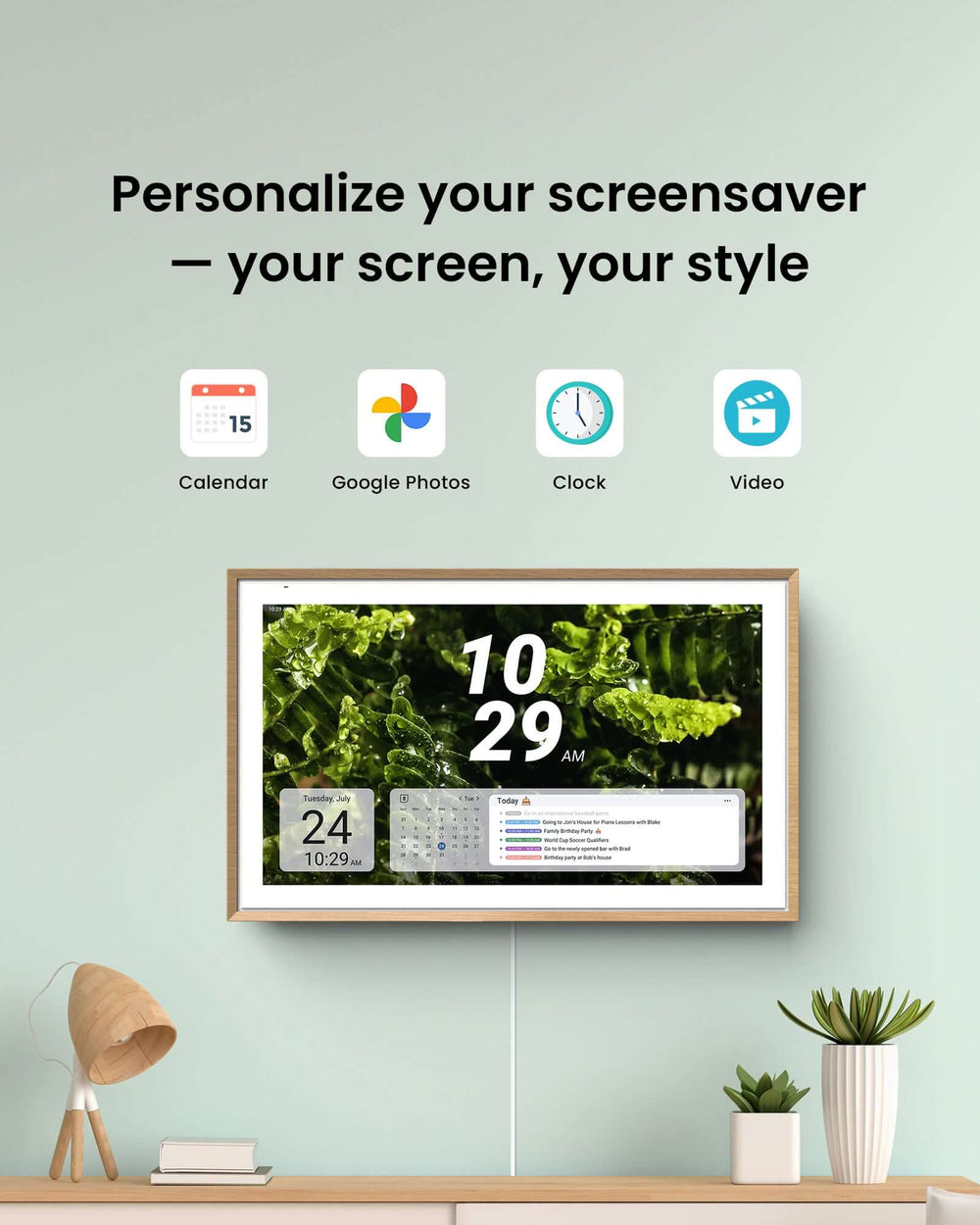
The purchase price represents only the starting point of your investment. To calculate true cost-effectiveness, consider the device’s expected lifespan and what it costs to keep it running optimally over that period. A well-built digital calendar should function reliably for three to five years minimum. During that time, ongoing value comes from regular firmware updates that add features and patch security vulnerabilities—updates that factory-direct manufacturers typically provide free of charge. Consider whether the device requires subscription fees for cloud syncing or premium calendar integrations, as these recurring costs compound over time and can erode initial savings. Maintenance costs matter too: a device with a replaceable battery or modular components costs less to keep alive than one designed as a sealed unit destined for recycling when a single part fails. Energy consumption is another overlooked factor—an always-on display that sips power costs negligibly to run annually, while an inefficient design adds up over years of continuous operation. Finally, factor in the resale or hand-me-down value; a digital calendar from a recognized manufacturer with ongoing software support retains usefulness far longer than an orphaned device from a company that disappeared after the sale.
Making an Informed Purchase Decision
Start by defining your actual needs—a solo professional needs different features than a family of five sharing a kitchen-mounted schedule. Once you know what you require, research three to five factory-direct manufacturers whose products match those requirements. For each candidate, follow a consistent evaluation process. First, compare the hardware specifications against your must-have list, confirming display quality, connectivity options, and build materials meet your standards. Second, test the manufacturer’s support responsiveness by asking a specific pre-sales question and timing the reply. Third, read long-term user reviews focusing on reliability after six months or more of daily use. Fourth, examine the warranty terms side by side—note coverage duration, what’s included, and who pays shipping for defective returns. Fifth, calculate the total three-year cost including the purchase price, any subscriptions, and estimated energy use. This disciplined comparison reveals which factory-direct option delivers the best overall value rather than just the lowest upfront number. Consumers who follow this framework consistently report higher satisfaction with their purchases because they’ve validated quality, support, and cost before committing—turning a potentially risky direct purchase into a confident, well-informed decision.
Factory-Direct Digital Calendars Deliver Real Value for Informed Buyers
Factory-direct digital calendars can absolutely be worth the price—but only when you approach the purchase with clear eyes and a structured evaluation process. The savings are real and stem from a leaner supply chain rather than compromised components. Manufacturers who sell directly often deliver premium hardware that rivals or exceeds what you’d find at retail, precisely because they retain more margin to invest in quality displays, robust connectivity, and durable materials. The critical variable is technical support. A lower price loses its appeal if you’re left without help when syncing breaks or firmware needs updating, so verifying support quality before buying is non-negotiable.
Budget-conscious consumers stand to benefit most from this model when they treat the decision holistically. Weigh the upfront cost against long-term ownership factors—warranty coverage, software update commitment, energy efficiency, and component longevity. Test the manufacturer’s responsiveness, read extended-use reviews, and calculate total value over three to five years rather than fixating on the checkout total alone. Digital calendars purchased factory-direct represent a smart investment when the company behind them demonstrates accountability at every stage. In an era where direct-to-consumer brands compete fiercely for trust, informed buyers hold all the leverage needed to secure genuine value without compromise.