Sodium-Ion Battery for Home Solar: Is It Better Than Lithium in 2026?

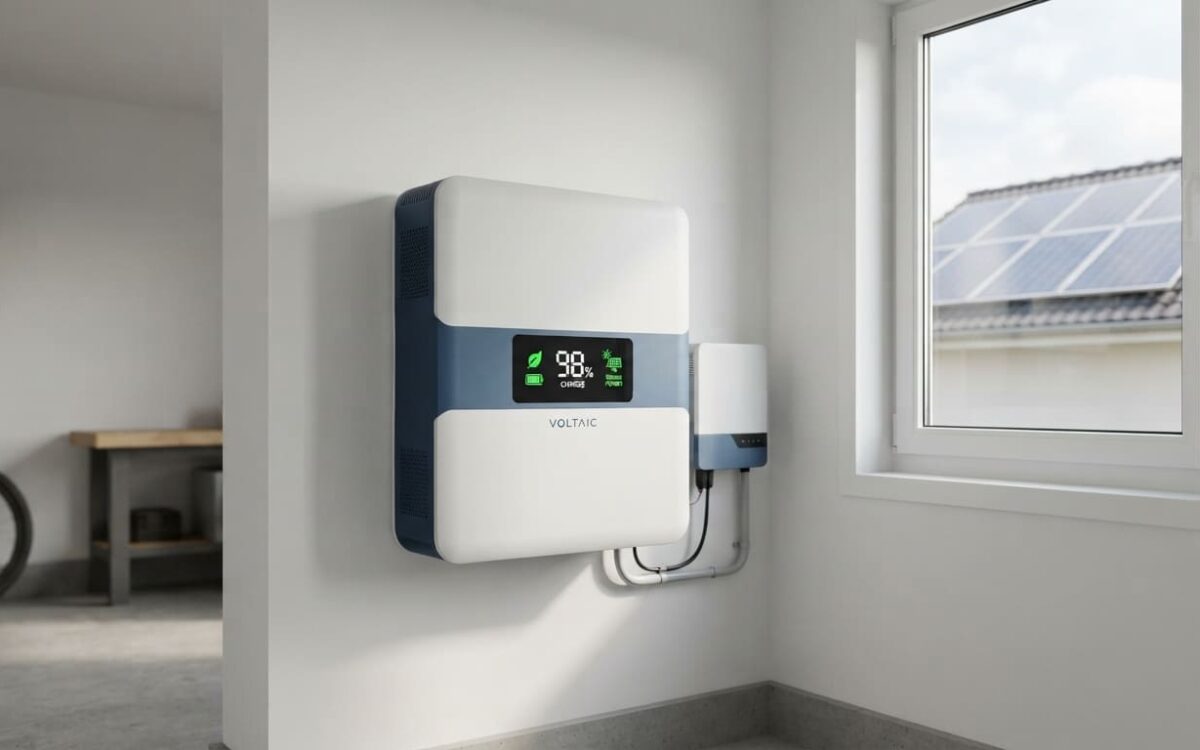
If you have been researching home battery backups recently, you have probably noticed that Lithium Iron Phosphate (LFP) dominates almost every conversation. For years, lithium has been the undisputed king of residential solar storage.
However, a quiet shift is happening in the energy storage market. With major battery manufacturers scaling up production, the sodium-ion battery for home solar is stepping out of research labs and entering real-world residential setups.
Because sodium is roughly 1,000 times more abundant on Earth than lithium, this technology promises lower costs, zero reliance on scarce mining materials, and impressive safety upgrades. But does it actually make sense for your house right now, or should you stick with lithium? Let’s break down the real numbers, practical pros and cons, and what homeowners need to know before buying.
What Exactly Is a Sodium-Ion Solar Battery?
At its core, a sodium-ion (Na-ion) battery works on the exact same principle as a lithium-ion battery. Instead of shuttling lithium ions between the cathode and anode during charging and discharging, it uses sodium ions the same basic element found in ordinary table salt.
The biggest difference lies in the supply chain and chemistry:
• No Scarce Minerals: Sodium-ion batteries do not require lithium, cobalt, or nickel.
• Cheaper Current Collectors: Instead of expensive copper foil inside the cells, sodium batteries can use affordable aluminum.
• Drop-In Compatibility: Because the manufacturing process is nearly identical to lithium-ion cells, factories are transitioning rapidly, bringing residential models to market faster than expected.
Sodium-Ion vs. Lithium-Ion (LFP) for Home Storage
When comparing batteries for an electric vehicle, weight and size are everything. When comparing batteries bolted to your garage wall, your priorities change completely. Here is how the two technologies stack up for a residential solar setup:
- Feature Sodium-Ion Battery Lithium-Ion (LFP) Battery Winner for Home Solar
- Energy Density 75 – 160 Wh/kg 150 – 250 Wh/kg Lithium-Ion (More compact)
- Cold Weather Charging Works smoothly down to -20°C Usually stops charging below 0°C Sodium-Ion
- Fire & Thermal Safety Extremely stable; zero-volt transportable Very safe (LFP), requires active BMS Sodium-Ion (Slight edge)
- Cycle Life 3,000 – 4,500+ cycles 6,000+ cycles Lithium-Ion (Currently longer)
- Round-Trip Efficiency 90% – 92% 95% – 96% Lithium-Ion
- Raw Material Cost Very low (Abundant sodium & aluminum) Moderate to high (Lithium & copper) Sodium-Ion (Long-term)
4 Real-World Advantages of Sodium-Ion for Homeowners
1. Superior Performance in Freezing Temperatures
If you live in an area with harsh winters and keep your solar batteries in an unheated garage or outdoor shed, lithium batteries struggle. Most LFP batteries cannot be charged below freezing (0°C / 32°F) without an internal heating pad which drains your stored solar power just to keep the battery warm. A sodium-ion battery for home solar maintains strong ion mobility in sub-zero weather, charging and discharging reliably without wasting energy on internal heaters.
2. Unmatched Fire Safety and Zero-Volt Storage
Thermal runaway the chain reaction that causes battery fires is dramatically lower in sodium-ion chemistry. Even better, sodium-ion batteries can be completely discharged down to 0 volts without damaging the internal cells. Lithium batteries degrade permanently if they hit zero charge, which is why they must always be shipped and stored partially charged (creating a fire hazard). Zero-volt capability makes sodium batteries safer to ship, store, and maintain.
3. Faster Charging During Short Sunny Windows
On partly cloudy days when your solar panels only get two or three hours of peak sunlight, charging speed matters. Sodium ions move through the electrolyte faster than lithium ions in certain temperature conditions, allowing sodium-ion packs to absorb high bursts of solar energy quickly without overheating.
4. Protection Against Price Spikes
Lithium prices have historically swung wildly depending on global mining supply. Because sodium can be extracted from seawater and soda ash globally, sodium-ion battery pricing is far more stable and projected to drop significantly below LFP costs as mass production matures.
Where Sodium-Ion Still Falls Short (The Honest Truth)
To make a smart investment, you also need to look at the current limitations of sodium-ion technology:
• Larger Footprint (Lower Energy Density): A 10 kWh sodium-ion battery will be noticeably heavier and bulkier than a 10 kWh lithium battery. If you have tight wall space in a utility closet, lithium still wins.
• Shorter Cycle Life (For Now): First-generation residential sodium-ion batteries typically offer between 3,000 and 4,500 charge cycles, which equals roughly 8 to 11 years of daily use. Top-tier LFP batteries currently push past 6,000 cycles (12 to 15+ years).
• Limited Installer Availability: While portable power stations (like models from BLUETTI) and early stationary wall units are hitting the market, local solar installers still carry far more lithium options with established 10-year warranties.
Should You Buy a Sodium-Ion Battery Today or Wait?
Your decision comes down to your climate and timeline:
Choose Lithium-Ion (LFP) right now if You live in a moderate or warm climate, have limited wall space, want a proven 10-to-15-year warranty today, and need maximum cycle life from an established local installer.
Choose or wait for Sodium-Ion if You live in a cold region where batteries are exposed to freezing temperatures, prioritize maximum fire safety above all else, or are planning a solar storage upgrade over the next 12 to 24 months as cheaper, high-cycle second-generation sodium units hit mainstream distribution.
Frequently Asked Questions (FAQ)
Can I connect a sodium-ion battery to my existing solar inverter?
Most modern 48V hybrid solar inverters can work with sodium-ion batteries, provided the battery’s Battery Management System (BMS) communicates via standard CAN or RS485 protocols, or allows custom voltage settings. Always confirm inverter compatibility with the manufacturer before purchasing.
How long does a sodium-ion solar battery last?
Current residential sodium-ion batteries are rated for roughly 3,000 to 4,500 cycles at 80% depth of discharge. For a typical household cycling the battery once per day, that translates to about 8 to 11 years of reliable service.
Are sodium-ion batteries cheaper than lithium right now?
While raw materials for sodium-ion are much cheaper, early retail units are priced similarly to budget LFP batteries because manufacturing scale is still ramping up. Industry analysts expect sodium-ion retail prices to undercut lithium by 20% to 30% as gigafactories reach full capacity.