Key Takeaways
- Contemporary maintenance methods significantly boost safety and surface durability.
- Innovative techniques can drastically reduce long-term repair and replacement expenses.
- Sustainable practices and materials are shaping eco-conscious infrastructure management.
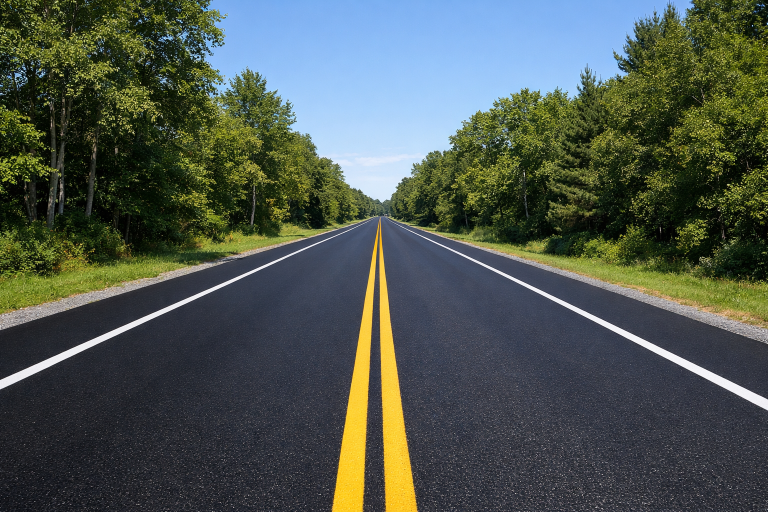
Maintaining asphalt surfaces is crucial for ensuring roadway safety, extending pavement lifespan, and maximizing cost-effectiveness for municipal and commercial infrastructure. Today, advances in asphalt maintenance technologies have redefined how professionals approach repairs and long-term surface care. By adopting innovative solutions, property managers and municipalities can benefit from safer, more durable, and environmentally responsible roads. For those seeking professional help, scheduling on-site paving estimates Granger IN can provide direct insights into tailored solutions with the latest practices.
Modern preventative and proactive maintenance not only reduces hassles and large-scale repair costs but also supports long-term asset management. As sustainability and efficiency become higher priorities in infrastructure, evolving asphalt care offers an opportunity to minimize environmental impact and keep roads reliably smooth.
Enhanced Road Safety
The incorporation of advanced maintenance strategies plays a key role in protecting vehicle occupants and pedestrians alike. Techniques such as diamond grinding and grooving are proven to enhance both pavement smoothness and surface friction. Enhanced friction reduces skidding and the odds of hydroplaning, lowering the risk of accidents. For instance, the Ohio Department of Transportation has seen notable safety improvements since adopting diamond grooving on asphalt. These upgrades deliver measurable improvements in drivability and accident prevention.
Furthermore, improved road striping and the use of reflective materials as part of maintenance processes make night and low-visibility driving safer for all. Implementing regular inspections and rapid response programs for addressing hazardous spots can greatly reduce the occurrence of collisions and keep communities safer. The integration of new roadway markings and smart signage that communicates with vehicles is also emerging, enhancing safety through real-time updates and driver alerts.
Extended Pavement Lifespan
Preventative care is the foundation for maximizing asphalt longevity. By regularly applying sealcoating and performing crack sealing, maintenance teams can shield pavement from UV damage, weather exposure, and daily wear. Sealcoating forms a barrier that blocks harmful radiation and oxidation, keeping surfaces supple and preventing widespread cracking. With periodic applications, these proactive measures can extend the average service life of an asphalt surface by as much as 25 years.
Road surfaces benefit from a combination of routine sweeping, debris removal, and drainage management to minimize surface wear. Water intrusion remains one of the leading factors in asphalt failure, so subgrade stabilization and efficient water capture systems are increasingly emphasized in maintenance plans. When these foundational issues are addressed alongside surface care, pavements maintain their structural integrity much longer, helping municipalities get the most value out of their original investment.
Cost Savings Over Time
Routine maintenance protects against the need for large-scale repairs or full resurfacing projects, which are far more expensive. Flexible approaches, such as timely crack filling, cost a fraction of what it takes to restore pothole-ridden or crumbling roads. For example, addressing a single crack is approximately $0.15 per linear foot, but waiting until the issue escalates into potholes can cost up to $50 per square foot. Proactive maintenance can mean savings of 50 to 75 percent on total repairs over the life cycle of an asphalt surface.
Local governments are increasingly leveraging maintenance management software to forecast repair budgets, maximizing the impact of every maintenance dollar. Investing early in prevention yields exponential returns, diverting funds that would otherwise be spent on costly reconstructions. Demonstrating a strong preventive maintenance strategy also helps secure state and federal grants that support infrastructure improvement, making roads safer without exceeding budgets.
Eco-Friendly Techniques and Sustainable Materials
Asphalt maintenance is rapidly evolving toward more sustainable models. Among the most impactful strategies is the use of Recycled Asphalt Pavement (RAP), which allows old asphalt to be repurposed in new projects, preserving natural resources and keeping waste from landfills. Additionally, warm-mix asphalt is a modern development where material is produced at lower temperatures, which reduces overall energy use as well as emissions. These innovations considerably lower a project’s carbon footprint and contribute to greater sustainability in public works.
Green maintenance doesn’t end with recycling and emissions reduction. Many contractors are exploring bio-based sealers, which use plant-derived oils instead of petroleum products to deliver effective waterproofing while minimizing environmental harm. Porous asphalt pavement systems also offer stormwater management benefits, allowing rainwater to percolate through the surface and recharge groundwater. Such systems relieve strain on urban drainage and reduce runoff pollution, a critical consideration for sustainable cities and towns.
Innovative Repair Methods
Recent advancements include infrared asphalt repair, which revolutionizes how patches are performed. This technology uses infrared heat to soften the damaged area, making it possible to blend new and existing materials seamlessly. Unlike traditional saw-cutting and patching, this method creates robust, integrated surfaces that are less prone to future cracking. The process is faster, less labor-intensive, and reduces overall roadway disruption.
Alongside infrared repair, micro-surfacing, and slurry seal applications have become valuable tools in the maintenance arsenal. These techniques quickly restore surface texture and skid resistance, filling minor voids and sealing hairline cracks to prevent more serious, costlier damage. Innovations in rapid-curing materials allow treated sections to reopen to traffic much sooner, minimizing inconvenience for commuters and businesses.
Self-Healing Asphalt and Smart Maintenance
Emerging products such as self-healing asphalt point toward a future of hands-off maintenance. These next-generation surfaces are embedded with capsules filled with recycled oils. When a crack forms, these capsules rupture, releasing a repair agent that automatically seals the crack and prevents further deterioration. Early studies suggest self-healing asphalt could potentially boost pavement lifespan by up to 30 percent and greatly reduce required interventions.
Industry leaders are also investigating various nanomaterials that may further enhance these self-healing effects, as well as adjusting the mix design to facilitate easier application and improved resilience. Over time, these advancements could dramatically reduce the frequency and labor costs associated with traditional repairs, freeing up resources for other infrastructure improvements.
Data-Driven Maintenance and Real-Time Monitoring
Another key trend is the adoption of data-driven maintenance. Smart technology, including embedded pavement sensors and drone-based inspections, allows crews to monitor road conditions in real time. This analytical approach pinpoints when and where maintenance should occur, enabling targeted fixes that prevent more costly issues from developing. Remote monitoring streamlines operations, ultimately helping agencies stay ahead of surface deterioration and improve budget allocation.
Predictive analytics is also making a noteworthy impact in scheduling repairs based on observed wear patterns and traffic loads, allowing agencies to deploy resources with greater precision. Centralized digital platforms connect decision-makers and crews, enabling smooth communication, progress tracking, and transparent reporting to the public. This heightened efficiency ensures that every maintenance dollar goes further with less waste and stronger, longer-lasting results.
By integrating modern asphalt maintenance techniques, property managers and municipalities can improve safety, enhance surface durability, and create sustainable roadways. Leveraging both preventative and high-tech solutions is essential to keeping infrastructure safe and functional for many years to come.