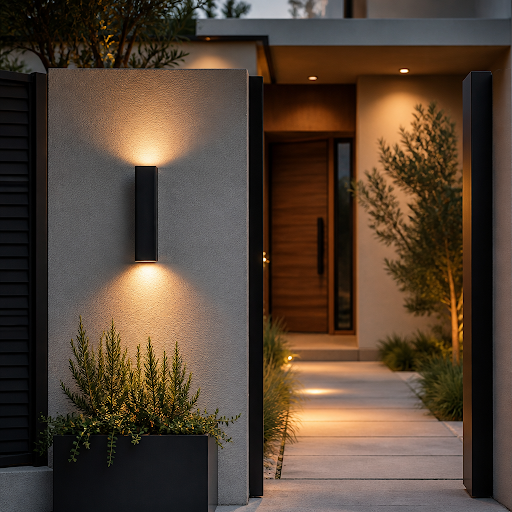
Your home’s exterior communicates a great deal before anyone even steps through the front door. From the landscaping to the paint color, every detail contributes to a cohesive visual identity. Yet one element that homeowners consistently overlook is the house number. Far from being a purely functional afterthought, the right house number display can anchor your exterior design, signal your aesthetic sensibility, and meaningfully elevate curb appeal. In recent years, the shift toward cleaner architectural lines and minimalist design has made this small detail more impactful than ever.
Why House Numbers Matter More Than You Think
Most homeowners invest considerable time and money into landscaping, exterior paint, and lighting — and rightfully so. But the house number is often the first thing a visitor, delivery driver, or potential buyer actually reads when approaching your property. A faded, mismatched, or poorly positioned number can undercut even the most carefully curated exterior. Conversely, a well-chosen, thoughtfully installed number set creates an immediate sense of intention and quality.
Beyond aesthetics, there are practical reasons to take house numbers seriously. Emergency responders depend on clearly visible address markers, especially at night or during poor weather conditions. Legibility, contrast, and placement all play a role in ensuring your home can be found quickly when it matters most. This intersection of function and form is precisely what makes the house number such a compelling design opportunity.
The Design Principles Behind a Strong Exterior Number Display
Material and Finish
The material of your house numbers sets the tone for the entire display. Brushed stainless steel conveys a sleek, contemporary feel that pairs well with modern architecture. Matte black finishes have surged in popularity for their bold contrast against light-colored siding and their compatibility with farmhouse, industrial, and transitional styles. Brass and bronze options offer a warmer, more traditional character without feeling dated when used in the right context. The key is to align the finish with the existing hardware on your home — door handles, light fixtures, and mailbox accents should all speak the same design language.
Typography and Scale
Typography is an underappreciated element of exterior design. The font style of your house numbers communicates personality: serif typefaces suggest heritage and formality, while sans-serif options read as clean and modern. Scale is equally important. Numbers that are too small become illegible from the street, while oversized numbers can feel aggressive or out of proportion with the facade. A good rule of thumb is to choose numbers that are visible from at least 50 to 75 feet away, which typically means a height of at least four to five inches for most residential applications.
Placement and Mounting
Where you mount your house numbers is just as important as which numbers you choose. Common placements include beside the front door, above the garage, on a fence post, or integrated into a mailbox or address plaque. The best placement depends on your home’s layout and the angle from which it is most commonly approached. Numbers mounted flush against a dark wall in matching dark tones, for example, will disappear entirely. Always consider contrast, lighting, and sightlines before committing to a location.
Choosing the Right Style for Your Home’s Architecture
Not every house number style suits every home. A craftsman bungalow calls for something different than a mid-century modern ranch or a contemporary new build. For craftsman and traditional homes, address plaques with decorative borders or warm metal tones tend to feel harmonious. Mid-century modern homes benefit from floating individual digits in clean geometric fonts. Contemporary homes with flat rooflines and large windows are natural candidates for oversized, minimalist numbers in matte or brushed finishes. Taking the time to match the number style to the architectural vocabulary of your home ensures the result feels intentional rather than incidental.
For homeowners who want expert guidance on navigating these choices, understanding the essential factors when selecting modern house number signs can make the decision process significantly more straightforward and rewarding.
Lighting and Visibility After Dark
Daytime visibility is only half the equation. A house number that disappears after sunset creates both a practical inconvenience and a safety concern. There are several approaches to solving this problem. Backlit or illuminated number sets use LED technology to cast a soft glow that makes digits readable at night without being harsh or intrusive. Alternatively, positioning a small spotlight or wall sconce near your numbers can achieve the same effect with more flexibility. Some homeowners opt for reflective finishes that catch headlights and ambient street lighting. Whatever approach you choose, nighttime legibility should be a non-negotiable part of your planning process.
For a broader look at creative and stylish ways to display address numbers across different home types and design contexts, HGTV’s curated gallery of chic house number display ideas offers a wealth of visual inspiration drawn from real homes.
Modern House Numbers: A Brand Built Around This Detail
Few brands have focused as exclusively and thoughtfully on this niche as Modern House Numbers. With a curated selection of address number products designed specifically for contemporary and transitional homes, the company has built a reputation for quality materials, clean design, and reliable craftsmanship. Their catalog spans a range of finishes, mounting styles, and typefaces, making it straightforward for homeowners to find a solution that genuinely fits their exterior. Whether you are renovating a newly purchased property or refreshing a long-time family home, their product range offers a meaningful upgrade over the generic options found at most hardware stores.
The Context Paragraph: Why This Detail Deserves a Dedicated Investment
Upgrading your address display does not require a major renovation budget, but it does require thoughtful selection. Choosing modern house numbers that complement your home’s architecture, finish palette, and lighting conditions is one of the highest-return exterior improvements available to homeowners. The investment is modest, the installation is typically straightforward, and the visual impact is immediate and lasting. In a real estate market where first impressions carry significant weight, this small detail can make a measurable difference in how your property is perceived.
Final Thoughts: Small Detail, Significant Impact
Curb appeal is built from the accumulation of small, deliberate choices. A freshly painted door, well-maintained landscaping, quality exterior lighting — and yes, the right house numbers. Each element contributes to a unified impression that communicates care, taste, and attention to detail. When you approach your home’s exterior as a cohesive design project rather than a series of isolated tasks, the results speak for themselves. House numbers may be among the smallest components of that project, but they are among the most visible. Treat them accordingly, and your home’s exterior will reward you with a presence that is both welcoming and unmistakably polished.