Modern residential architecture is undergoing a remarkable transformation, driven by advances in glass technologies that enhance both beauty and functionality. Homeowners and designers now recognize that glass plays a vital role beyond conventional windows—it can shape experiences, boost sustainability, and create healthier, more efficient living environments. As you weigh upgrades, exploring these innovative options ensures your home remains both future-ready and energy-efficient. Discover how today’s innovative glass solutions, including biophilic door glass, smart technology, and thermochromic windows, can redefine your living space. For more about residential glass upgrades and inspiration, visit https://www.kennedyglass.com/residential/.
By leveraging cutting-edge developments in materials and design, you can innovatively connect indoor spaces to the outdoors while optimizing energy usage and comfort. Glass is no longer just a static element; it’s evolving into a dynamic, performance-driven feature that addresses privacy, sustainability, and adaptability. The following comprehensive overview introduces trend-setting innovations that homeowners and architects should consider to elevate their projects and lifestyles.
Biophilic Doorglass: Bringing Nature Indoors
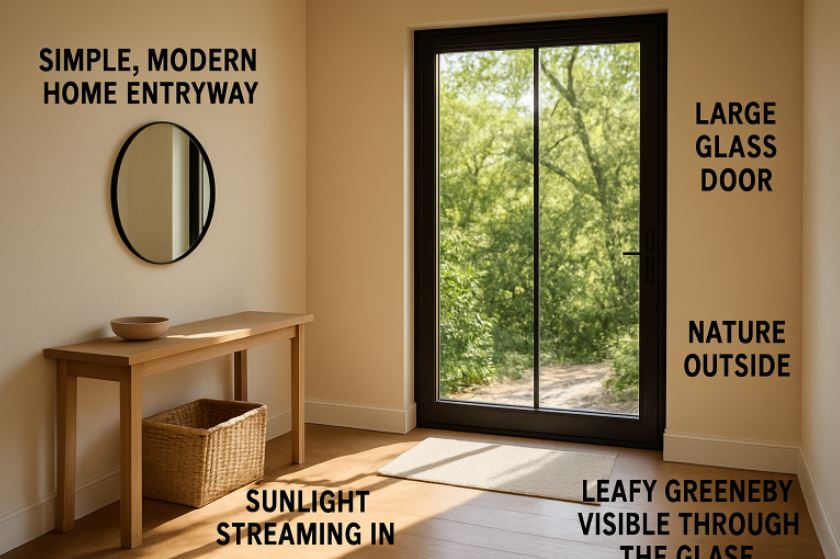
Biophilic design emphasizes the integration of natural elements into our built environments, and door glass with wood-like finishes achieves this aesthetic indoors. Manufacturers like Novatech offer door glass options that emulate materials such as Walnut and Aspen, helping homeowners invite the calming presence of nature into their entryways and living spaces. Aside from their visual benefits, these door glass solutions offer flexibility, providing varying levels of privacy through styles ranging from clear to frosted. Such options foster well-being, foster a relaxing atmosphere, and can improve property value.
Research published by ArchDaily reveals that incorporating biophilic elements into homes is associated with improved mental health and productivity, making this a valuable investment in your overall quality of life. Biophilic doorglass thus makes an ideal upgrade for those seeking to blend indoor-outdoor living, increase sunlight exposure, and set a tranquil tone from the moment you open your front door.
Vacuum-Insulating Glass: Superior Thermal Performance
Homeowners interested in retrofitting or building energy-efficient homes are turning to vacuum-insulating glass (VIG), a technology that drastically minimizes thermal transfer. Unlike conventional insulating glass units, VIG employs a vacuum layer between panes, delivering ultra-low U-values as low as 0.48 W/(m²·K). This substantial increase in insulation reduces the need for artificial heating and cooling, lowering utility bills and supporting eco-friendly construction goals.
Notably, companies like HaanGlas design VIG to fit existing window frames, making it accessible for both historic building renovations and modern homes. The ability to improve thermal efficiency without altering the home’s appearance streamlines renovations and increases long-term savings. According to Energy.gov, upgrading to advanced insulating glass can reduce household energy use by up to 25%—a significant contribution to sustainability goals.
Smart Frost Glass: Privacy at the Push of a Button
Smart Frost glass is revolutionizing the balance between daylight, openness, and privacy. These high-tech panels, featuring liquid crystal technology, toggle from clear to frosted at the press of a button, giving you complete on-demand control over visibility. Modern installations, such as those from ArmRLite, are ideal for home offices, bathrooms, entryways, and other privacy-sensitive spaces that shouldn’t sacrifice sunlight in the pursuit of seclusion.
Beyond the home, this adaptability translates to multipurpose spaces or adaptable interiors that can instantly transition from open, collaborative environments to secluded retreats. As smart homes become mainstream, integrating Smart Frost glass is a practical step toward automation, comfort, and personalized living.
Ultra-Thin Glass: Lightweight and Sustainable
Advances in glass manufacturing have produced ultra-thin yet robust glass panels that offer exceptional sustainability benefits. Collaborations such as Glas Trösch and Corning have yielded triple-glazed units with a center pane just 0.5 millimeters thick—a feat that slashes overall window weight, simplifies installation, and lowers the carbon footprint associated with logistics and production. Despite its thinness, performance is not compromised; these windows offer excellent thermal insulation and structural integrity.
Lightweight glazing solutions are beautiful in multi-story or renovation projects where reducing structural load and enabling easier handling are top priorities. The push for lighter, stronger, and more efficient glass aligns with the broader global initiative of greener buildings and more innovative material use. See more insights at Building Design + Construction.
Thermochromic Windows: Adaptive Light Control
Thermochromic windows represent passive, intelligent light management—these windows automatically adjust transparency or tint according to temperature and sunlight intensity. On colder days, they remain clear to maximize solar gain and warm interior spaces. Conversely, in the heat, their tint increases to reduce glare and lower cooling loads. As a result, homes maintain comfort while slashing artificial HVAC costs.
Recent studies have shown that thermochromic technology can reduce building energy loads across a range of climate zones, making it particularly valuable in regions with significant seasonal temperature fluctuations. The passive nature of these windows means no electrical power is needed for adjustment, further boosting efficiency and reliability over many years of use. For more information, refer to the National Renewable Energy Laboratory’s findings.
Sustainable Glass Replacement: Enhancing Energy Efficiency
One of the most effective ways to modernize an existing home is by replacing outdated glass with advanced, energy-efficient alternatives. Upgrading single-pane or old double-pane units with high-performance models significantly increases thermal comfort, reduces condensation, and harnesses more of the sun’s natural light, which decreases reliance on artificial lighting.
Energy-efficient glass options often include low-E coatings, gas-filled cavities, and robust frame systems, immediately contributing to a home’s sustainability footprint. These advances are integral not only for comfort but also for complying with increasingly stringent building codes and environmental benchmarks. For further reading on best practices and project ideas, visit The New York Times’ guide to upgrading windows for energy savings.
Conclusion
Innovative glass solutions offer more than just visual appeal in today’s modern homes—they provide the keys to enhanced comfort, significant energy savings, and harmonious indoor-outdoor living. By exploring biophilic designs, vacuum insulation, innovative technologies, and sustainable replacements, homeowners can transform their living environments and future-proof their investment. Thoughtfully integrating these advancements enables you to enjoy beautiful, bright spaces with a minimized environmental impact, demonstrating that innovative design and sustainability can go hand in hand.