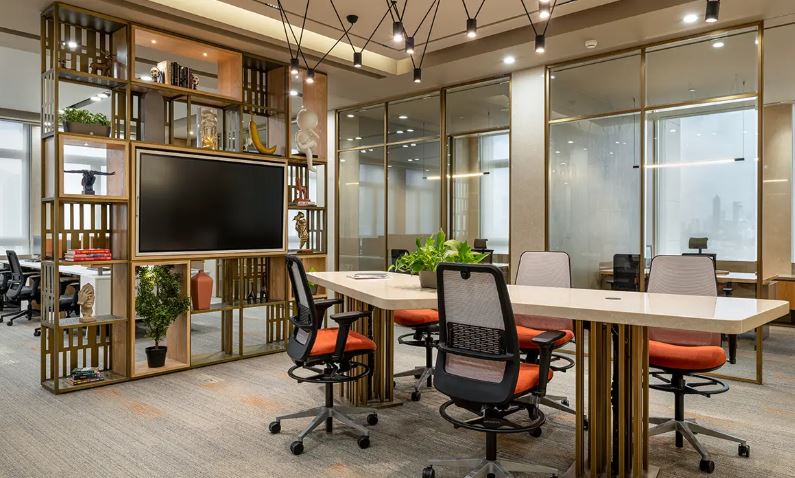
Choosing the right commercial interior designers is essential for any business planning a new workspace, retail outlet, hospitality venue, or commercial upgrade. Professional designers play a major role in shaping functionality, aesthetics, customer experience, and even staff productivity. With so many options available, businesses must understand exactly what to look for to ensure they work with experienced commercial interior designers in Australia who can bring their vision to life while staying aligned with budget, brand, and operational needs.
Why Choosing the Right Commercial Interior Designers Matters
Commercial spaces require specialised planning that differs significantly from residential design. The designer must consider factors such as workflow, safety regulations, accessibility codes, customer behaviour, lighting efficiency, and industry-specific functionality. The outcome must not only look impressive but also support business goals. This is why working with experienced commercial interior designers in Australia is vital, as they bring local industry knowledge and technical expertise that ensure your project is completed to a professional standard.
Key Skills and Qualities of Good Commercial Interior Designers
To make the right hiring decision, businesses must identify the core skills that define truly capable commercial interior designers.
Strong Understanding of Space Planning
Effective space planning is at the heart of commercial design. Designers must be able to maximise available space, create logical movement patterns, and ensure the layout supports staff workflows or customer journeys. Whether designing an office, café, retail store, or healthcare facility, the ability to create efficient zones is essential.
Creativity and Concept Development
A strong design vision sets great designers apart. They should be able to translate brand identity into physical elements such as colour schemes, textures, lighting, and furniture. Experienced commercial interior designers in Australia understand how to integrate creativity with practicality, ensuring the final design is both visually appealing and highly functional.
Technical and Regulatory Knowledge
Commercial projects require compliance with Australian building codes, workplace health and safety standards, disability access guidelines, and fire regulations. Designers must understand:
- Ventilation requirements
- Emergency exits and safety pathways
- Accessibility design rules
- Appropriate building materials
- Sustainability guidelines
Technical proficiency ensures your commercial space is safe, compliant, and professionally executed.
Strong Communication and Collaboration Skills
Commercial design projects often involve architects, builders, contractors, engineers, and business stakeholders. A good designer acts as a bridge between all parties, clearly communicating design plans, timelines, and expectations. Designers must also be receptive to feedback and skilled at adjusting plans to meet client requirements.
Project Management Ability
Many commercial interior designers oversee the entire project from concept to completion. This includes budget management, contractor coordination, timeline oversight, and quality control. Effective project management ensures the design is implemented smoothly and the business experiences minimal disruption.
Reviewing Portfolio and Experience Before Hiring
One of the most reliable ways to assess commercial interior designers is by reviewing their portfolio.
Look for Experience in Your Industry
Different commercial environments require different design approaches. For example:
- Retail spaces need clear customer flow and strategic product placement.
- Hospitality venues require atmospheric design, lighting control, and seating optimisation.
- Offices require ergonomic considerations, collaboration zones, and brand integration.
Experienced commercial interior designers in Australia will have work across multiple sectors and can demonstrate understanding of industry-specific needs.
Review Before-and-After Transformations
These examples highlight the designer’s ability to creatively improve a space while enhancing functionality.
Examine Design Versatility
A diverse portfolio shows that the designer can adapt to different styles, themes, and client objectives. It indicates creativity, flexibility, and deep design expertise.
Budget and Cost Considerations
Every commercial project requires clear budgeting. When evaluating designers, consider:
Transparent Pricing
Designers should provide an itemised breakdown of costs, including:
- Design fees
- Materials
- Furniture
- Contractor charges
- Project management fees
Transparent pricing helps businesses avoid unexpected expenses.
Ability to Work Within Budget
A skilled designer knows how to get the most value out of any budget by recommending cost-effective materials and smart layout solutions.
Financial Management During the Project
Experienced commercial interior designers in Australia are skilled in budget monitoring, ensuring financial control from concept to final installation.
Importance of Design Style and Vision
Design is more than technical skill; it is also an expression of brand identity. When choosing a designer, consider how well their style aligns with your business.
Evaluate Their Signature Style
Some designers prefer minimalist concepts, while others lean towards luxury, industrial, or contemporary themes. Ensure the designer’s style matches the environment you want to create.
Check Their Ability to Customise
Great designers tailor every detail to the business’s needs, culture, and branding. This can include:
- Colour schemes that match branding
- Custom furniture solutions
- Feature walls
- Bespoke lighting concepts
- Branded signage
This level of customisation ensures a unique and memorable commercial environment.
Communication Throughout the Design Process
Effective communication is essential to the success of any commercial project. When interviewing designers, assess their communication habits.
Clear Explanation of Design Concepts
Designers must present ideas through drawings, mood boards, or 3D renders so clients can visualise the space.
Regular Progress Updates
Frequent updates help identify issues early and maintain transparency.
Responsiveness to Questions
Designers should be approachable and accessible throughout the project.
Industry Knowledge and Local Expertise
Commercial design is influenced by industry trends, customer behaviour, local regulations, and emerging technologies. Designers with strong industry knowledge provide valuable guidance on:
- New materials
- Sustainable design solutions
- Trending colour palettes
- Lighting innovations
- Acoustic improvements
Local experience is equally important. Designers with Australian expertise understand:
- Climate considerations
- Australian building codes
- Local construction methods
- Supplier networks
- Council permit processes
This knowledge ensures the project runs smoothly and meets all legal requirements.
How Custom Printing Enhances Commercial Spaces
Custom printing plays a significant role in strengthening branding and visual identity within commercial interiors. Examples include:
- Branded wall murals
- Directional signage
- Custom glass frosting
- Logo decals
- Printed partitions
- Feature wall graphics
These elements help businesses stand out and create memorable environments for customers and employees.
Experienced commercial interior designers in Australia often incorporate custom printing into their designs to enhance visual appeal while reinforcing branding.
Final Tips for Choosing the Right Designer
To ensure you make the best choice, follow these final steps:
- Request a consultation to discuss goals and requirements.
- Ask for a detailed proposal outlining timelines and costs.
- Review contracts carefully before signing.
- Check references from previous clients.
- Ensure the designer can deliver both creative and functional solutions.
Working with experienced commercial interior designers in Australia ensures your project is executed professionally, creatively, and in alignment with business goals.