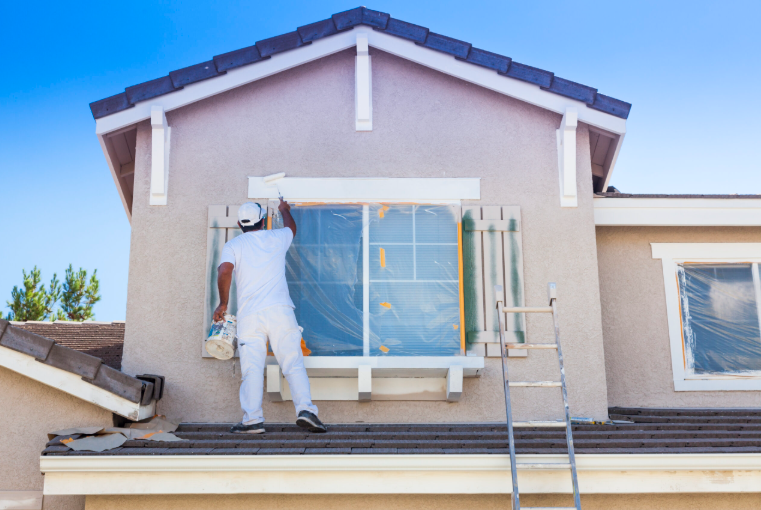
A fresh coat of paint can completely change the appearance, atmosphere, and value of a property. Whether it is a busy office, retail store, apartment building, restaurant, warehouse, or family home, quality painting can make the space feel cleaner, brighter, and more welcoming.
Painting may look like a straightforward task, but achieving a professional finish requires planning, preparation, the right products, and careful application. Professional painters understand how different surfaces react to paint and know which techniques are appropriate for each project.
For businesses, painting can also influence how customers perceive a brand. A well-maintained commercial property creates a positive first impression and can make employees and visitors feel more comfortable. For homeowners, carefully selected colours and professional workmanship can turn ordinary rooms into attractive living spaces.
This guide explores the importance of professional painting, the benefits of hiring experienced contractors, and what property owners should consider before starting a painting project.
Why Professional Painting Matters
Painting is one of the most visible aspects of property maintenance. Even when a building is structurally sound, faded, chipped, or peeling paint can make it appear neglected.
Professional painting helps protect surfaces while improving their appearance. Exterior paint can provide a protective layer against weather conditions, while interior coatings can help surfaces withstand everyday wear.
Professional painters also understand that successful painting begins long before the first brush or roller touches the wall. Proper preparation is often what separates an average finish from an excellent one.
Cleaning, sanding, filling cracks, repairing damaged surfaces, priming, and selecting appropriate coatings can all affect the final result.
The Importance of Commercial Painting
Businesses have different painting requirements from residential properties. Commercial buildings often have larger areas, higher traffic levels, specific operating schedules, and strict requirements regarding durability.
Experienced commercial painters understand these challenges and can plan projects around the needs of the business.
A commercial painting project may involve offices, shopping centres, restaurants, schools, warehouses, medical facilities, apartment complexes, or industrial properties. Each environment can require a different approach.
For example, a retail store may benefit from attractive colours that support its branding, while a warehouse may require highly durable coatings that can withstand heavy use.
Commercial painting is therefore not simply about making a building look attractive. It is also about selecting practical solutions that suit the property’s purpose.
Creating a Strong First Impression
Customers often form an opinion about a business before they interact with its employees. The appearance of the building can influence that first impression.
A clean exterior, fresh entrance, well-maintained walls, and carefully chosen colours can make a business look professional and established.
On the other hand, peeling paint and faded surfaces can make even a successful company appear neglected.
Professional painting gives businesses an opportunity to refresh their appearance without undertaking a complete renovation.
A well-designed colour scheme can also reinforce a company’s identity and create a consistent visual experience across different areas of the property.
Choosing the Right Paint Colours
Colour selection is an important part of any painting project. The right colours can change how large, bright, warm, or inviting a space feels.
Businesses may choose colours based on their branding, industry, customers, and workplace environment. Neutral shades are popular in many offices because they create a clean and professional atmosphere.
Retail businesses may use stronger colours to attract attention or highlight particular areas. Restaurants may select warmer shades to create a comfortable dining environment.
Homeowners have even more flexibility. They can select colours according to personal taste, furniture, lighting, architectural style, and the atmosphere they want to create.
Professional painters can help property owners understand how different finishes and colours may look under natural and artificial lighting.
Interior Painting Requires Preparation
Interior painting involves much more than applying paint to walls. Surfaces must be prepared carefully to achieve a smooth and durable result.
Furniture may need to be moved or protected. Floors should be covered, fixtures protected, and damaged areas repaired before painting begins.
Small cracks, nail holes, stains, and imperfections can become more noticeable after a new coat of paint is applied. Filling and sanding these areas can therefore make a major difference.
Primer may also be necessary, particularly when covering strong colours, bare surfaces, stains, or certain types of repairs.
Once preparation is complete, painters can apply the appropriate number of coats to achieve consistent coverage.
Exterior Painting and Weather Protection
Exterior surfaces face constant exposure to sunlight, rain, wind, humidity, and temperature changes. As a result, exterior paint needs to provide more than visual appeal.
A suitable exterior coating can help protect surfaces from moisture and general environmental wear.
Before exterior painting begins, the condition of the surface should be inspected. Peeling paint, cracks, mould, dirt, and damaged areas may need attention first.
Pressure washing or other cleaning methods can remove accumulated dirt and prepare the surface. Loose paint may need to be scraped away, while cracks and gaps may require suitable fillers or sealants.
Good preparation can extend the life of an exterior paint job and create a more uniform finish.
Why Surface Preparation Is So Important
Surface preparation is one of the most important stages of professional painting.
If paint is applied over dirt, grease, loose coatings, or damaged surfaces, the new finish may not adhere properly. It can eventually crack, bubble, peel, or become uneven.
Professional painters inspect surfaces before beginning work and determine what preparation is necessary.
Depending on the project, preparation may include:
- Cleaning walls and surfaces
- Removing loose or peeling paint
- Sanding rough areas
- Filling cracks and holes
- Repairing damaged sections
- Applying primer
- Protecting furniture and fixtures
- Preparing trim and detailed areas
Although preparation takes additional time, it can significantly improve the quality and longevity of the finished project.
Painting Offices and Workplaces
Office environments need to balance professionalism with comfort. Employees spend many hours in these spaces, so the colour scheme can have an important visual and psychological impact.
Soft neutral colours can create a calm environment, while carefully selected accent walls can introduce personality without becoming distracting.
Painting can also help businesses modernise older offices. A dated workplace can sometimes look considerably newer after walls, ceilings, doors, and trim have been professionally repainted.
When planning an office painting project, businesses should also consider how the work will affect employees and daily operations.
Experienced painting contractors can schedule work outside normal business hours or divide the project into stages when practical.
Painting Retail and Hospitality Spaces
Retail stores, cafés, restaurants, hotels, and other customer-facing businesses depend heavily on appearance.
Customers expect these environments to be clean and well maintained. Fresh paint can contribute to that perception.
Retail spaces may use colours to highlight displays, guide customer movement, or support branding. Hospitality businesses may choose colours that create a specific mood.
Because these properties often experience significant foot traffic, durable paints and finishes may be especially valuable.
Professional painters can recommend products based on the amount of use a particular area receives.
Apartment and Strata Painting Projects
Large residential buildings can require extensive painting work. Common areas such as hallways, staircases, foyers, garages, and shared facilities experience frequent use.
Painting these areas requires careful planning because residents may need access to the building throughout the project.
Professional contractors can establish a practical work schedule and communicate which areas will be unavailable at different stages.
Colour consistency is another important consideration. When several areas are painted at different times, using compatible products and carefully documenting colours can help maintain a consistent appearance.
Working Around Business Operations
One of the biggest challenges in commercial painting is minimising disruption.
A business may need to remain open while painting work takes place. Customers, employees, deliveries, and equipment may all need to continue operating.
Professional painters can develop a work plan that separates painting areas from active work zones whenever possible.
This may involve painting one section at a time, working during quieter periods, or completing certain tasks outside business hours.
Good communication between the contractor and property manager is essential. Everyone should understand the schedule, access requirements, safety considerations, and expected completion dates.
Selecting Durable Paint Finishes
Not every paint finish is suitable for every environment.
High-traffic areas may require finishes that are easier to clean and maintain. Offices may use different products from warehouses or commercial kitchens.
Walls that are frequently touched can benefit from durable coatings. Ceilings may require a different finish because they have different lighting and maintenance requirements.
The correct product depends on the surface, location, expected traffic, environmental conditions, and desired appearance.
Using the cheapest available paint is not always the most economical option. A higher-quality coating may provide better coverage and longer-lasting results, reducing the need for frequent repainting.
The Benefits of Hiring Experienced Painters
Professional painters bring experience that can make a significant difference in the final result.
They understand how to prepare different surfaces, apply coatings consistently, manage detailed areas, and address common painting problems.
Hiring professionals can also save property owners considerable time. Painting a large property can take days or weeks when handled without the appropriate equipment and experience.
Professionals can work efficiently while maintaining appropriate preparation and finishing standards.
Another benefit is project management. A professional contractor can help coordinate materials, labour, preparation, application, cleanup, and final inspection.
Safety During Painting Projects
Painting projects can involve ladders, scaffolding, chemicals, electrical equipment, dust, and working at height.
Commercial properties can introduce additional safety challenges because employees and customers may be present while work is taking place.
Professional painting teams should take appropriate precautions to protect workers, occupants, property, and equipment.
Work areas may need to be isolated, floors protected, ventilation considered, and equipment positioned securely.
Property owners should always discuss safety requirements with their chosen contractor before work begins.
Preparing Your Property for Painting
Property owners can make the painting process smoother by preparing in advance.
For interior projects, furniture and personal items may need to be moved or covered. Wall decorations can be removed, and valuable items should be stored safely.
For commercial properties, managers should communicate the project schedule to employees and customers where appropriate.
Exterior areas may need landscaping, vehicles, outdoor furniture, or equipment moved away from walls.
Clear preparation can reduce delays and allow painters to focus on the work itself.
How Long Does a Painting Project Take?
The duration of a painting project depends on several factors.
Property size is one of the most obvious considerations, but it is not the only one. The number of rooms, surface condition, number of coats, preparation requirements, weather, access, and type of paint can all influence the timeline.
A small interior project may be completed quickly, while a large commercial building can require a much longer schedule.
Weather is particularly important for exterior painting. Rain, excessive humidity, extreme temperatures, and strong winds can affect application and drying.
A professional contractor should assess the property and provide a realistic schedule rather than making assumptions based only on square footage.
Maintaining Freshly Painted Surfaces
Proper maintenance can help painted surfaces remain attractive for longer.
Interior walls should be cleaned according to the recommendations for the particular paint finish. Marks should be addressed before they become difficult to remove.
Exterior surfaces can benefit from periodic inspection and cleaning. Property owners should watch for cracking, peeling, fading, moisture damage, or other signs of deterioration.
Small problems are often easier and less expensive to address than widespread deterioration.
Regular maintenance can therefore extend the useful life of a professional paint job.
When Should a Property Be Repainted?
There is no universal repainting schedule for every property.
Some buildings may need repainting more frequently because they experience heavy traffic or harsh weather exposure. Others may maintain their appearance for many years.
Visible signs can provide useful clues. Fading, peeling, cracking, stains, scuff marks, and inconsistent colour are all reasons to consider a new painting project.
Changes in business branding or property use can also justify repainting.
For example, a company moving into a new office may want to create an environment that better reflects its current brand.
Painting as Part of Property Renovation
Painting is often one of the most cost-effective elements of a renovation.
A full structural renovation can be expensive and disruptive, while repainting can create a noticeable transformation without changing the basic layout.
New colours can make rooms appear brighter and more modern. Painting doors, trim, ceilings, and feature walls can add further visual impact.
For commercial properties, repainting can also help prepare a building for a new tenant, business launch, sale, or refurbishment.
Hiring Painters in the Local Area
Local knowledge can be valuable when selecting a painting contractor. Painters who regularly work in a particular area may understand common property styles, environmental conditions, and local project requirements.
For homeowners and businesses looking for experienced Painters Killara, it is worth considering contractors based on experience, workmanship, communication, preparation standards, and previous projects.
Rather than choosing a contractor based solely on price, property owners should evaluate the overall value of the service.
A detailed quotation should explain the scope of work, preparation requirements, materials, number of coats, areas included, and expected timeframe.
Questions to Ask Before Hiring a Painter
Before accepting a quote, property owners should ask several practical questions.
How much preparation is included? Which paint products will be used? How many coats are planned? Who will complete the work? How will furniture and flooring be protected?
It is also useful to ask how unexpected surface damage will be handled.
Clear communication at the beginning can prevent misunderstandings later.
A professional contractor should be willing to explain the process and provide a clear description of what the customer is paying for.
Comparing Painting Quotes
The lowest quote is not necessarily the best option.
Two contractors may provide significantly different prices because their scopes of work differ. One quotation may include extensive preparation and premium materials, while another may cover only basic painting.
When comparing quotes, property owners should look beyond the final number.
Consider the preparation, materials, labour, number of coats, protection measures, cleanup, and overall service.
A transparent quotation makes it easier to compare contractors fairly.
Common Painting Mistakes to Avoid
DIY painting can be rewarding for small projects, but several common mistakes can reduce the quality of the result.
Skipping preparation is one of the biggest problems. Paint cannot hide every surface defect.
Using the wrong product can also create issues. Interior and exterior paints are designed for different conditions.
Another common mistake is applying paint too quickly between coats. Adequate drying time helps the finish develop correctly.
Poor cutting around corners, inconsistent roller pressure, and inadequate protection can also leave visible imperfections.
Professional painters are familiar with these challenges and have techniques for avoiding them.
The Value of Professional Workmanship
Quality workmanship can make a painting project look significantly more polished.
Straight edges, even coverage, smooth finishes, clean trim, and carefully protected surrounding surfaces all contribute to the final appearance.
Professional painting is particularly valuable when the property is large or highly visible.
A commercial building may be seen by hundreds or thousands of people every week. A residential property may be an important part of its owner’s lifestyle and investment.
In both cases, quality painting can improve the overall impression of the property.
Making a Painting Project More Efficient
Good planning can make the entire process more efficient.
Start by identifying the areas that need attention. Consider whether the project should be completed all at once or divided into stages.
Choose colours and finishes before work begins where possible. Confirm the scope of preparation and clarify which surfaces are included.
For businesses, determine how painting will interact with operating hours and customer access.
For homeowners, decide whether furniture needs to be relocated and whether particular rooms should be prioritised.
The more details that are established in advance, the easier it is for the painting team to complete the project efficiently.
Final Thoughts
Professional painting can do much more than change the colour of a wall. It can protect surfaces, modernise buildings, strengthen business presentation, improve living spaces, and contribute to long-term property maintenance.
For commercial properties, experienced painters understand the importance of durability, scheduling, safety, branding, and minimal disruption. For residential properties, attention to detail and careful preparation can create a comfortable and attractive environment.
The key to a successful painting project is choosing the right products, preparing surfaces properly, planning the work carefully, and relying on skilled professionals when the project requires experience and specialist equipment.
Whether you are refreshing a single room, repainting an entire home, updating an office, or transforming a large commercial property, professional painting can provide a noticeable and lasting improvement.
By focusing on preparation, quality materials, experienced workmanship, and proper maintenance, property owners can enjoy a cleaner, fresher, and more attractive property for years to come.