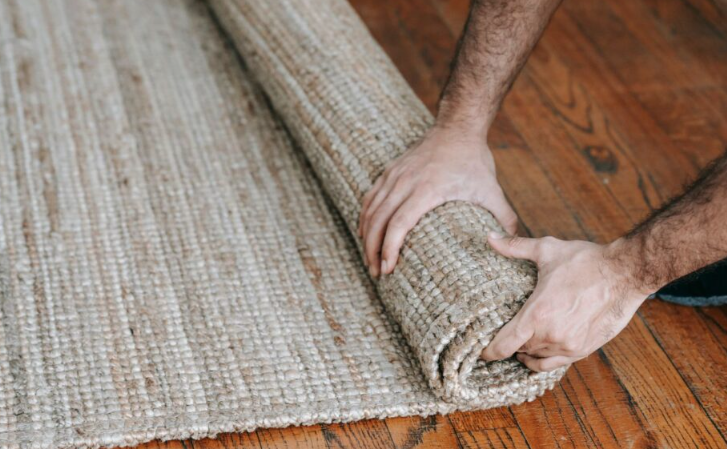
Imagine entering the living room and having the soft surface of the plush carpet below your toes. A small thing like that really sets a difference in the general feeling of a house: a warm, comfy, and inviting ambiance. It’s definitely fun selecting a carpet, but then the installation part can become a headache for some people. Don’t worry about it! Whether you’re a novice DIY homeowner or an experienced one, this guide will walk you through the essential steps to take to ensure that any carpet installation is a success. From preparation to aftercare, we have everything covered.
Let’s dive in and get to know the steps to smooth and stress-free carpet installation.
Step 1: Preparation Is Everything
You should think a million times about preparation before even considering rolling out your beautiful carpets. For a successful installation, the groundwork comes first—literally. Here’s a checklist for you:
First off, do a really good job of measuring your room. You’d be surprised how many folks just might skip the important step or do a “guesstimate” and end up buying way too much or too little. Grab your tape measure and jot down the length and width of the needed area and don’t forget to allow for any nooks, closets, or any irregular shape. Never bad to go online; that will help you get the right calculations for how much carpet you’ll need.
Next, remove the old flooring. Whether it’s an old carpet, hardwood, or tiles – it has to go. This might entail pulling up staples or nails or even an adhesive. It’s a bit of a workout, but think of it as your cardio for the day before your new carpet arrives.
Prepare the subfloor for installation. This will be the intermediate surface on which your carpet will sit, so make sure it is clean and dry. Look for imperfections: if there are cracks or unlevel spots, dampen those up before you continue further. Also, look out for mold or mildew formation, especially when it is an old carpet you are removing, which could have saved some unpleasant surprises. If you find black mold, it is really important to sort that out before proceeding with carpet installation; talk to a company that is well versed in black mold remediation so all is taken care of, leaving your home safe and sound.
Step 2: Carpet Selection
Carpets are not all created equal, and the choice made for your carpet will determine how far it will carry with your home, whereas the color has little to do with it. Some of the considerations are the following:
What about the purpose of the room? Is it a traffic hot-spot like the hallway or the living room? If so, you want a carpet that is durable and can withstand lots of foot traffic. Then again in the bedrooms or other areas scarcely used, the need could be for softness and comfort.
Lifestyle also matters. Are you into pets or kids? If so, try to go for stain-resistant carpets or those easy to clean. Wool carpets are great, but if you have a four-legged friend that loves to drag mud inside, they might not work so well.
Also, take into account the color and style; your carpet should complement the overall decor of your home. If you plan on putting a new coat of paint on the room, this may be the right time to think of colors complementing carpet and walls. For those in the Seattle area experimenting with wall refresh, profiles in interior painting Seattle could be a worthy choice for a professional connection and contributions to tying the room together.
Finally, consider a budget; carpet comes in all price ranges, so you need to know what price range you are comfortable with. But keep in mind: the cheapest is not always what will work best in the long run. The carpet you invest in today can pay for itself by providing fewer fixes and replacements in the future.
Step 3: Professionals or DIY?
A tough choice has to be faced now: should you go for DIY carpet laying, or will you hire the pros? Each option has its positives and negatives.
Hiring installation professionals is usually the simplest and most stress-free way. A trained installer gets the work done fast and efficiently, with warranties on his work. If you’re not confident with your DIY skills, or if the room is very large or tricky, this might just be the path to take. If you hire installers, make sure to look for ones with good reviews and ask for references. You can find local providers with reliable carpet installation reviews too.
But, if you can go install it yourself, that’s extra moolah saved, plus pride in self-accomplishment. If you think of yourself as a Tinker, this is definitely something you can do. In carpet laying, though, you will need some special equipment: a carpet stretcher and maybe a knee kicker-however, these can always be rented. You will find countless tutorials and guides on how to do it online, but be prepared to climb a learning curve.
It comes down to what budget, time, and willingness you have in carrying out this task. Whichever way you go, be ready in one way or another.
Step 4: The Installation Process
Understanding the artistic and technical details step by step will help you know what to expect, whether you hire a pro or be a jack of all trades for your self-installed carpet.
First comes the installation of the underlay or padding, which cushions and helps the carpet last longer. Make sure it is the right one for your carpet and subfloor.
Then the carpet is laid and cut to size. The carpet is cut to allow a little bit more on the edges to assure that the carpet is perfectly fitted in the room.
This is followed by stretching of the carpet. It is the most important procedure, really, to keep the carpet stretching with no spots or bubbles. The carpet stretcher is used to pull the carpet from tack strips along the edges of the room.
Lastly, trim the carpet excess and tuck the edges under the baseboards. If there are seams, which you might have in a bigger room, they will be joined and sealed with care.
Step 5: Aftercare and Maintenance
Congratulations! Your new carpet has been installed, and the room looks great. But this is not the end of the story. With proper aftercare and maintenance, you will be able to keep the carpet looking great for years.
Vacuum regularly. This is probably the simplest, yet most important, way in which you can keep your carpet clean. Make sure that you vacuum high-traffic areas at least twice a week and all other areas once a week.
Dealing with all spills immediately. Yes, accidents do happen, but that is the key aspect of how fast you clean up. Use a cloth to blot (never rub!) the spill and, where appropriate, apply a carpet cleaner. The longer you wait to address a stain, the harder it will be to clean it.
Have professional cleaning done. Dirt and grime settle in over time if you vacuum as much as you say. So, for keeping it at its best condition, consider hiring a professional carpet cleaning organization every 12-18 months.
Use rugs or mats to protect carpet wear in high-traffic locations or in spots beneath heavy furnishings.
By sticking to these simple instructions, your carpet will for sure live a longer life worthy of looking like new.
This way, there are other carpet sunset options for a home. The key, however, is doing it with care. So follow the steps of the space preparation, carpet choice, professional or DIY installation, installation process explanation, and carpet maintenance to ensure stress-free and successful handling.