How Pointe Pest Control Helps Stop Recurring Pest Problems

Key Takeaways
- Recurring pest problems often require inspection, targeted treatment, prevention, and monitoring rather than a one-time response alone.
- Pointe Pest Control serves residential and commercial properties across Washington, Oregon, Idaho, and Montana.
- Its listed services include treatment for spiders, rodents, ants, wasps, bed bugs, cockroaches, termites, and other common pest concerns.
- Property conditions such as gaps, clutter, water sources, food access, and nearby harborage can contribute to repeated activity.
- Commercial properties may benefit from scheduled inspections, service documentation, and recommendations tailored to operational risk areas.
Recurring pest activity rarely has a single cause. A few visible ants, a spider in the garage, or scratching sounds in the wall may point to larger conditions around a property, including access points, moisture, food sources, or sheltered nesting areas. Pointe Pest Control provides residential and commercial pest management designed to identify those conditions, address active pest activity, and support longer-term prevention.
For homeowners and businesses in Washington, Oregon, Idaho, and Montana, the goal is not simply to remove the pest that is currently visible. It is to understand how pests are getting in, where they may be established, and which practical changes can make the property less inviting between services.
Why Pest Problems Can Return After One Treatment
A treatment can reduce an active pest population, but pests may return when their entry routes and favorable conditions remain in place. Rodents can use small openings around utilities, foundations, doors, or vents. Ants may continue following trails toward accessible food or moisture. Spiders may remain active where other insects provide a steady food source. Hidden spaces, including crawl spaces, attics, wall voids, storage areas, and exterior landscaping, can also make a property difficult to evaluate from a single room.
An inspection-first approach helps connect visible signs to the possible source. Pointe technicians evaluate the interior and exterior of the structure before recommending a plan, so service can be matched to the pest, the level of activity, and the conditions found on the property.
What Pointe Pest Control Looks for During an Inspection
A thorough assessment can help distinguish a one-time sighting from ongoing or hidden activity. When scheduling service with Pointe Pest Control, customers can describe what they have seen, where it is occurring, and when the problem began so the visit can focus on relevant areas.
Interior spaces
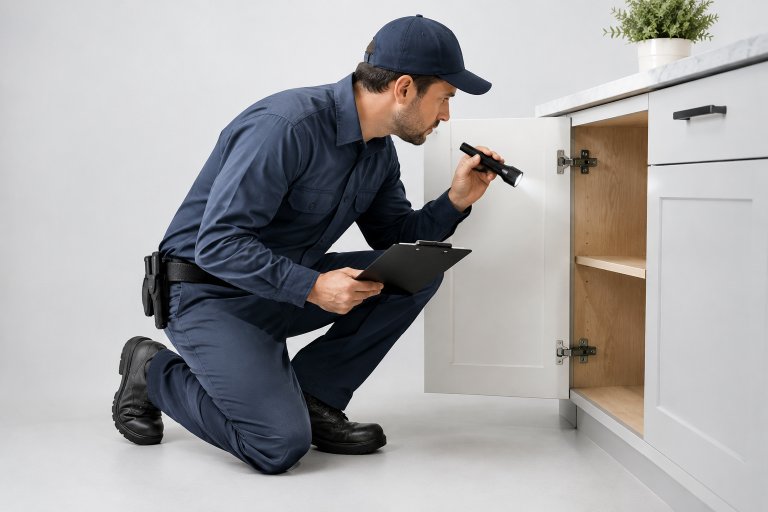
Inside a home or business, an inspection may focus on live pests, droppings, nesting materials, insect activity, stains, odors, and potential access points. Kitchens, utility rooms, storage areas, basements, garages, and spaces beneath sinks can be especially useful places to check when pests need food, water, or shelter.
Exterior perimeter
Outside, the assessment can include cracks, gaps, vegetation against the building, debris, moisture-prone areas, and locations where pests may hide near the structure. Reviewing the perimeter matters because prevention often starts before pests reach indoor living or work areas.
Attics, crawl spaces, and commercial risk areas
Less frequently used spaces can conceal rodent nesting, damage, and travel routes. In commercial settings, inspections may also consider food storage, waste handling, loading zones, kitchens, high-traffic entrances, and other areas where pest pressure or sanitation risks need attention.
Which Pest Problems Can Pointe Pest Control Address?
Pointe Pest Control lists services for a range of common Northwest pest concerns. The appropriate method depends on the identified species, the location of activity, and the property’s construction and use.
- Spiders: Service can include inspection of perimeter conditions and targeted treatment in areas where spiders are active.
- Rodents: Effective rodent service considers signs of activity, population control, monitoring, and likely entry routes.
- Ants: Treatment may address visible trails and areas that could support nesting or repeated access.
- Wasps: Identifying active nests and treating the appropriate area can help address stinging-insect activity.
- Bed bugs and cockroaches: These pests require careful identification and a treatment plan suited to the affected space.
- Termites: Specialized termite inspections and service options can help property owners respond to suspected activity.
Why Rodent Control Requires Prevention as Well as Removal
Droppings, gnaw marks, shredded nesting materials, stale odors, and scratching noises can be signs of rodent activity. However, control is more durable when it addresses why rodents can remain near or enter the building. The gaps and holes in and around a home should be checked alongside food storage, garbage handling, pet food, plumbing leaks, outdoor clutter, and nearby shelter.
Residents should use care around rodent droppings and nests. Avoid sweeping or vacuuming droppings while dry, and follow public-health cleanup guidance when contamination is present. If activity is occurring in inaccessible areas, such as inside walls or crawl spaces, professional assessment can help determine practical next steps.
Residential Service Built Around the Property
Every home has different pressure points. A house near dense vegetation may have different concerns than a newer property with gaps around utility lines, or a home with a history of ants in the kitchen. Pointe Pest Control offers both one-time treatment options and ongoing home pest control plans.
Its quarterly home protection program may include interior treatment when needed, an exterior barrier, bait stations, and a nest sweep during service visits. Recurring service can be particularly useful for properties with seasonal pest pressure, repeat entry issues, or ongoing exterior conditions that support pest activity. Customers should also follow the technician’s prevention recommendations, since sanitation and exclusion can make treatment results more sustainable.
Commercial Pest Management for Operational Needs
Restaurants, warehouses, offices, property managers, and multi-site operators often need more than an emergency response after a pest sighting. They may need planned inspections, service notes, monitoring, clear communication, and recommendations that fit the site’s schedule and use.
Pointe Pest Control describes its commercial programs as documented at each service. That approach can help businesses track observed activity, focus on risk areas such as waste zones or food storage, and coordinate corrective actions with staff or property management. A tailored commercial plan can account for the building’s layout, customer traffic, sanitation practices, and pest history.
How Integrated Pest Management Supports Longer-Term Results
Integrated pest management combines pest identification, inspection, prevention, monitoring, sanitation, exclusion, and targeted treatment. It does not mean every property receives the same treatment or that more product is automatically the answer. Instead, the process focuses on reducing the conditions pests need to survive and reproduce.
The Environmental Protection Agency notes that preventive measures and reduced-risk treatment methods can reduce reliance on chemical pesticides, while steps such as sealing access points, removing food and water sources, and fixing leaks can help make properties less hospitable to pests. These preventive measures and reduced-risk treatment methods align with an inspection-led service plan that addresses both current activity and contributing conditions.
Service Areas and When to Request Help
Pointe Pest Control serves homes and businesses across Washington, Oregon, Idaho, and Montana. Its listed service locations include communities such as Spokane, Vancouver, Olympia, Yakima, Walla Walla, Portland, Salem, Eugene, Bend, Medford, Coeur d’Alene, Post Falls, Lewiston, Moscow, Sandpoint, and Missoula, along with surrounding areas.
It may be time to request an assessment when pests appear repeatedly indoors, droppings or gnaw marks are present, DIY efforts have not resolved the issue, or there are unexplained odors and noises in walls, attics, or crawl spaces. Businesses should also consider scheduled service when they need documented pest management for daily operations.
What to Expect From a Pointe Pest Control Request
- Share the pest concern, affected area, timing, and visible signs.
- Schedule an assessment or quote for the property.
- Allow the technician to inspect the relevant interior, exterior, and structural areas.
- Review the recommended treatment and any prevention steps.
- Choose a one-time or ongoing plan suited to the pest issue and property needs.
For recurring pest problems, a complete assessment provides a more useful starting point than treating only what is immediately visible. By combining inspection, targeted service, prevention recommendations, and ongoing options where appropriate, Pointe Pest Control gives property owners a practical path toward reducing current pest activity and limiting future return.