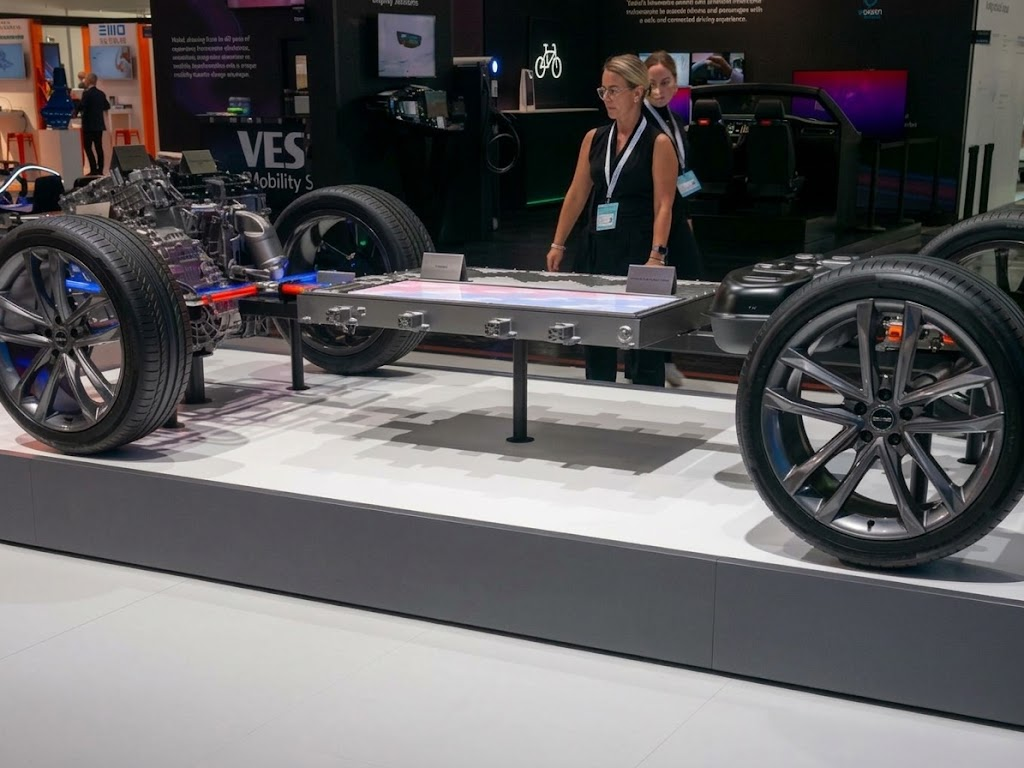
The electric vehicle (EV) revolution is transforming the way Australians drive, and at the heart of every EV is the electric battery. This vital component stores energy, powers the vehicle’s motor, and directly impacts driving range, charging speed, and overall performance.
As more Australians make the switch to electric mobility, understanding how an electric battery works can help drivers make informed decisions about purchasing, maintaining, and getting the most from their vehicle.
What Is an Electric Battery?
An electric battery in an EV is a rechargeable energy storage system that supplies electricity to the vehicle’s electric motor. Unlike traditional petrol or diesel vehicles that rely on internal combustion engines, electric cars use stored electrical energy to generate movement.
Most modern EVs use lithium-ion battery technology because it offers:
- High energy density
- Fast charging capabilities
- Long service life
- Relatively low maintenance requirements
- Improved efficiency compared to older battery technologies
The battery pack typically consists of thousands of individual battery cells working together to deliver the power required for everyday driving.
How Does an Electric Battery Power an EV?
The process is surprisingly straightforward:
- The battery stores electrical energy.
- Energy is delivered to the inverter.
- The inverter converts direct current (DC) into alternating current (AC) for the electric motor.
- The motor turns the wheels.
- Regenerative braking recovers some energy and sends it back to the battery.
This efficient system allows EVs to convert a significantly higher percentage of stored energy into movement compared to conventional fuel-powered vehicles.
Tips for Maximising Electric Battery Performance
To get the most from your EV’s battery, follow these tips:
- Follow Manufacturer Recommendations: Always follow charging and maintenance guidelines provided by your vehicle manufacturer.
- Avoid Extreme Charge Levels: For everyday use, keep battery levels within the recommended range whenever possible.
- Use Scheduled Charging: Many EVs allow owners to schedule charging during off-peak periods, helping reduce electricity costs and battery stress.
- Keep Software Updated: Manufacturers frequently release updates that improve battery management and charging efficiency.
- Park in Suitable Conditions: Whenever possible, park in shaded or covered locations during extreme weather.
Why Understanding Electric Batteries Matters
An electric battery is much more than a power source. It is the foundation of every electric vehicle’s performance, efficiency, and driving experience. By understanding how these batteries work and how to care for them, drivers can enjoy years of reliable operation while maximising the value of their investment.
As EV adoption continues to grow across Australia, battery technology will remain a key driver of innovation, helping create a cleaner and more sustainable future for transport.