Cabinet Finishes That Last in Busy Kitchens

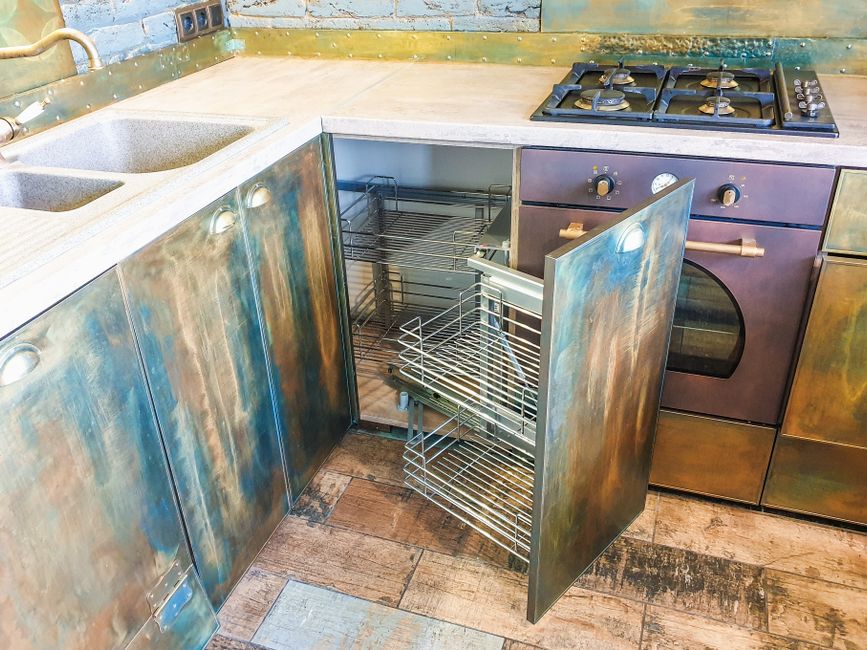
The kitchen is undeniably the hardworking heart of the modern home, enduring a continuous stream of daily activity, cooking heat, moisture, and frequent cleaning. Because kitchen cabinetry occupies the majority of vertical visual space in the room, cabinet surfaces bear the primary impact of this daily wear and tear. Choosing a cabinet finish is not merely a matter of selecting an attractive color or wood grain; it is an essential engineering decision that determines how gracefully your investment will age over years of intensive family use.
A truly durable finish must withstand persistent moisture from steam, resist staining from oils and acidic foods, endure physical impacts from cookware, and resist yellowing or degradation under natural sunlight. Understanding the science, application techniques, and long-term performance characteristics of various protective coatings empowers homeowners to make informed decisions. By evaluating factory coatings, converted finishes, and protective topcoats against real-world kitchen demands, you can ensure your cabinetry remains both visually striking and structurally resilient for decades.
Understanding the Physical and Environmental Demands on Kitchen Cabinets
Kitchen cabinet finishes face a hostile environment compared to furniture located in other areas of the residential home. Recognizing the daily forces that degrade cabinet coatings helps clarify why specialized, high-grade finishes are necessary.
| Environmental & Physical Factor | Primary Source in Kitchen | Potential Finish Degradation |
| High Humidity & Steam | Boiling liquids, dishwashers, sinks | Delamination, veneer peeling, wood swelling, micro-cracking |
| Grease & Oils | Pan frying, airborne cooking lipids | Softening of paint film, chemical breakdown, sticky residue |
| Acidic & Pigmented Spills | Tomato sauce, coffee, red wine, citrus | Permanent staining, discoloration, topcoat etching |
| UV Ray Exposure | Direct sunlight through windows | Clear coat yellowing, wood grain fading, color shifting |
| Frequent Mechanical Friction | Knuckles near door pulls, broom bumps | Finish wearing thin, edge chipping, surface scratching |
To resist these multi-faceted challenges, a cabinetry finish must establish a strong mechanical and chemical bond with the underlying wood or medium-density fiberboard (MDF) substrate, forming an impermeable shield.
Popular Cabinet Finish Types and Their Durability Profiles
Not all finishes offer the same level of resistance to heat, moisture, and abrasion. The chemistry behind each coating type dictates its maintenance requirements and overall lifespan in high-traffic kitchens.
Catalyzed Conversion Varnishes
Conversion varnish represents the gold standard for high-performance residential and commercial cabinetry. This two-part chemical-cure coating contains amino resins and alkyd vehicles that, when mixed with an acid catalyst, initiate a complex cross-linking chemical reaction as it cures.
Unlike traditional air-dry lacquers, conversion varnish cures into a tough, elastic film that accommodates natural seasonal movement in solid wood without cracking. It offers exceptional resistance to moisture, household chemicals, and heat, making it an ideal choice for cabinets surrounding ranges and dishwashers.
Polyurethane Finishes (Single and Two-Component)
Polyurethane coatings create an extremely hard barrier on wood surfaces. Two-component polyurethane finishes, which combine polyurethane resins with an isocyanate hardener, cure chemically to provide superior impact and scratch resistance.
While two-part polyurethanes are exceptionally durable and resistant to water penetration, they can be more challenging to repair or touch up seamlessly in the field compared to conversion varnishes or traditional paints if deep gouges occur.
Factory-Baked Enamels and Acrylics
Factory-applied enamels are sprayed in climate-controlled environments and cured using thermal baking lamps or ultraviolet (UV) light. This controlled curing process ensures consistent film thickness and complete chemical curing without trapping dust particles or ambient humidity within the finish. Baked enamels provide an exceptionally smooth, uniform surface that effectively resists grease accumulation and moisture penetration.
Traditional Water-Based and Oil-Based Alkyd Paints
Standard wall paints and basic air-dry latex coatings are generally unsuited for busy kitchen cabinetry. Oil-based alkyd paints offer smooth flow and leveling, but they tend to yellow over time when deprived of sunlight or exposed to ambient kitchen heat.
Modern water-borne alkyd enamels have bridged this gap significantly, offering improved yellowing resistance and low volatile organic compound (VOC) emissions, though they still generally fall short of the chemical cross-linking durability offered by catalyzed factory finishes.
Comparing Finish Characteristics for High-Traffic Kitchens
When evaluating options for a major kitchen overhaul, comparing key performance criteria side by side highlights how different finishing technologies behave under stress.
| Finish Type | Chemical & Moisture Resistance | Impact & Scratch Resistance | Color Stability & UV Resistance | Field Repairability |
| Catalyzed Conversion Varnish | Exceptional | High | Very High (with UV inhibitors) | Moderate |
| 2-Component Polyurethane | Exceptional | Exceptional | High | Low to Moderate |
| Factory-Baked UV Enamel | High to Very High | High | Exceptional | Low |
| Water-Borne Alkyd Enamel | Moderate | Moderate | High | High |
| Nitrocellulose Lacquer | Low to Moderate | Low | Low (Tends to yellow) | Very High |
Selecting the right finish involves balancing your aesthetic preference whether painted solid colors or stained natural wood grain with how heavily the kitchen will be used on a daily basis.
Paint vs. Stain: Longevity and Wear Considerations
The choice between a painted finish and a stained finish extends beyond visual style, fundamentally impacting how wear and tear present themselves over time.
Painted Cabinet Finishes
Painted cabinetry provides a solid, opaque color that hides natural wood grain variations, creating a clean, seamless aesthetic. However, because paint sits as an opaque film over the substrate, physical impacts that dent the underlying wood can cause the paint layer to chip or flake off, exposing the bare material beneath. Furthermore, natural expansion and contraction of solid wood face frames due to humidity shifts can cause hairline cracks along mitered corner joints in painted doors.
Stained Cabinet Finishes
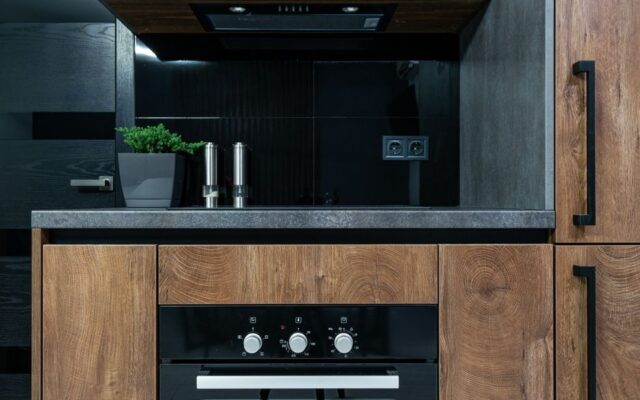
Stain penetrates deep into the wood fibers, coloring the material while leaving the natural grain texture visible. Because stain becomes part of the wood itself rather than a thick top layer, minor scratches and bumps are significantly less noticeable on stained surfaces than on painted ones. Clear protective topcoats applied over stained wood safeguard against liquid penetration while allowing the organic depth of species like oak, walnut, or cherry to show through.
Planning custom layout designs, material selections, and durable finish specifications often requires specialized expertise. Homeowners seeking long-lasting millwork tailored to specific architectural styles frequently rely on professionals skilled incustom kitchen cabinets chicago to ensure that wood preparation, door construction, and factory-catalyzed finish applications meet high regional building standards.
Essential Application Practices That Ensure Finish Longevity
Even the highest-quality conversion varnish or polyurethane finish will fail prematurely if the underlying substrate is improperly prepared or if application protocols are ignored. A long-lasting finish relies on rigorous multi-stage preparation.
Substrate Sanding and Moisture Control
Wood must be sanded progressively through finer grit sequences to remove mill marks and open surface pores uniformly. Additionally, the moisture content of the wood substrate must be stabilized between six and eight percent prior to finishing. Applying hard coatings over wood with high internal moisture leads to trapped vapors, blistering, and finish delamination as the wood dries out.
Primer and Sealer Coat Application
Primers and vinyl sealers act as the vital bridge between raw wood or MDF and the decorative topcoat. A quality vinyl sealer seals the wood pores, blocks natural tannin bleed through, and provides a moisture-resistant barrier that enhances topcoat adhesion. Skipping proper sealer steps leads to uneven finish absorption and reduced chemical resistance.
Inter-Coat Sanding
Between each applied coat of primer, sealer, or topcoat, technicians must perform careful hand-sanding (scuff sanding). This step removes microscopic airborne dust nibs and creates a mechanical profile (tiny surface scratches) that allows the subsequent coat to bond chemically and mechanically to the previous layer.
Best Maintenance Practices for Preserving Cabinet Finishes
Proper post-installation maintenance is essential for preserving the protective qualities of your cabinet finish throughout its operational lifespan.
- Clean Spills Immediately: Avoid letting acidic substances like vinegar, lemon juice, or tomato sauce sit on cabinet surfaces. Wipe spills promptly with a soft microfiber cloth.
- Use Mild Cleaners: Wash cabinet surfaces using warm water mixed with a few drops of mild, non-abrasive dish soap. Never use scouring pads, abrasive powders, or harsh ammonia-based glass cleaners, which can dull clear coats and micro-scratch enamel surfaces.
- Avoid Hanging Wet Towels Over Doors: Hanging damp dish towels over cabinet doors traps moisture against the top edge of the door frame, eventually causing the finish to swell, bubble, and peel away.
- Protect Against Steam: Ensure countertop appliances like coffee makers, instant pots, and toaster ovens are positioned away from the underside of upper cabinets so escaping steam does not blast directly onto finish seams.
Conclusion
Selecting a cabinet finish that lasts in a busy kitchen requires looking beyond initial color samples to understand the protective chemistry of the coating. Catalyzed conversion varnishes, two-component polyurethanes, and factory-baked enamels provide superior defense against moisture, grease, and mechanical wear compared to basic air-dry paints. By pairing a high-performance finish with proper substrate preparation and gentle daily maintenance, you ensure that your kitchen cabinetry retains its structural integrity and visual elegance through years of daily family life.