Shaker Cabinets in Modern Kitchen Designs

Kitchen design constantly evolves as architectural trends shift toward minimalism, functional ergonomics, and clean visual lines. Yet amidst changing aesthetic preferences, Shaker cabinetry remains one of the most resilient and versatile elements in modern interior design. Characterized by a simple five-piece door structure featuring a recessed center panel and unadorned frame, the Shaker style originated in the eighteenth century with an emphasis on utility, honesty, and craftsmanship.
Today, interior designers and homeowners frequently turn to Shaker cabinets to bridge the gap between traditional warmth and contemporary sleekness. Understanding how to integrate Shaker cabinetry into modern kitchen layouts involves evaluating material selections, door proportions, color palettes, hardware options, and overall spatial flow.
The Architectural Anatomy of a Shaker Cabinet
The defining feature of a Shaker cabinet door is its five-piece frame construction. Unlike flat slab doors found in ultra-minimalist designs or raised-panel doors typical of traditional cabinetry, Shaker doors offer subtle dimensional depth without decorative molding or excessive detail.
Core Construction Elements
The four outer pieces of the door assembly consist of two vertical stiles and two horizontal rails that join together at right angles. These frame components surround a single flat inset panel. In classic woodworking, stiles and rails join via precise mortise and tenon or cope and stick joints, ensuring long-term structural integrity and resistance to warping.
Proportional Adaptations for Modern Settings
Modern iterations of the Shaker door often modify traditional proportions to create a more contemporary silhouette. Micro-shaker or narrow-frame Shaker doors feature slender stiles and rails, typically ranging from one-half inch to one inch in width, compared to the standard two-and-a-half-inch frame. This subtle reduction in frame width softens the shadow lines, offering a streamlined aesthetic that pairs seamlessly with minimalist quartz countertops and low-profile appliances.
Adapting Shaker Cabinets to Contemporary Aesthetics
While historic Shaker cabinetry relied on natural stained woods like pine, cherry, or maple, modern applications embrace diverse finishes and color strategies to establish visual interest.
Paint Colors and Two-Tone Combinations
Painted finishes dominate contemporary Shaker installations. Crisp whites, warm alabasters, and subtle greys remain timeless choices that maximize natural light in compact spaces. However, two-tone kitchen designs have become a staple in modern homes, using contrasting cabinet colors to define functional zones:
- Perimeter vs. Island Contrast: Painting perimeter wall cabinets in light neutral tones while applying dark charcoal, navy, or deep forest green to the kitchen island creates a grounding focal point.
- Upper vs. Lower Contrast: Utilizing darker tones on base cabinets and lighter shades on upper wall cabinets visually anchors the room while maintaining an open, airy feeling at eye level.
Integrating Natural Wood Stains
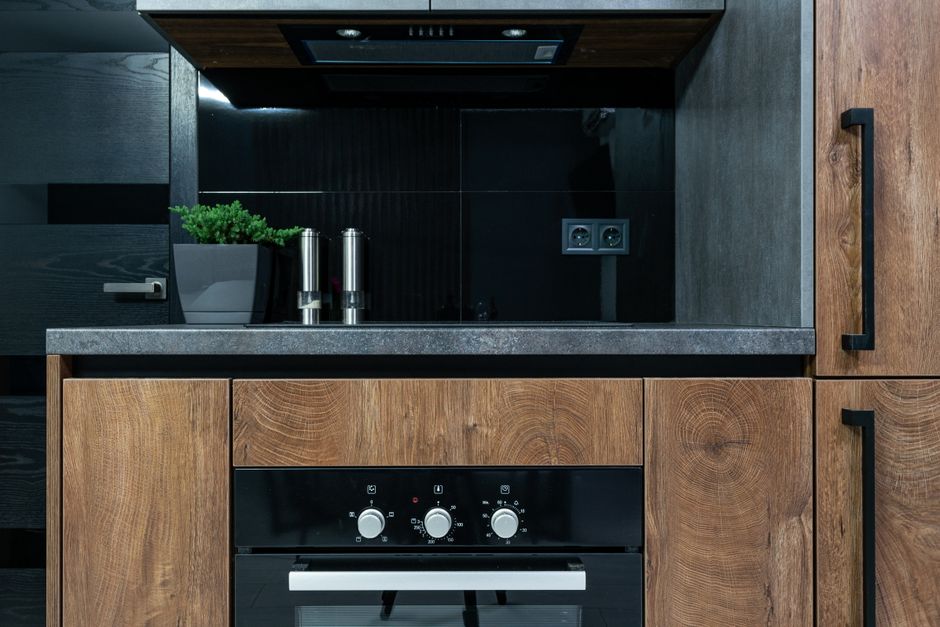
Incorporating natural wood grain brings organic texture into sleek, modern kitchens. Light oak, rift-sawn white oak, and walnut Shaker cabinets coated in matte clear finishes highlight natural wood patterns. Combining painted upper cabinets with natural wood base cabinets strikes a balance between contemporary cleanliness and organic warmth.
| Design Variation | Frame Width | Typical Finish | Ideal Design Partner |
| Traditional Shaker | 2.25 inches to 2.5 inches | White paint, medium wood stain | Marble counters, subway tile, classic cup pulls |
| Micro-Shaker (Slim Frame) | 0.5 inches to 1.0 inch | Matte paint, light white oak | Engineered quartz, slab backsplashes, channel pulls |
| Beveled Edge Shaker | 2.0 inches to 2.25 inches | Neutral paint, soft greys | Polished nickel hardware, herringbone tile |
| Inset Shaker | 2.0 inches to 2.5 inches | Custom painted, dark walnut | Integrated panel appliances, exposed beam ceilings |
Hardware Selection and Minimalist Accents
Because the Shaker door presents an uncluttered canvas, hardware selection heavily influences the final design direction. Hardware acts as the jewelry of the kitchen, pulling together metal accents from light fixtures, faucets, and appliance trims.
Hardware Styles for Modern Environments
Different hardware profiles completely alter the personality of a Shaker cabinet door:
- Tubular Pulls and Bar Handles: Long, slender metal bars running vertically on wall doors and horizontally on drawers emphasize linear geometry and modern structure.
- Edge Grips and Finger Pulls: Mounted discreetly along the top edge of drawer fronts and door edges, finger pulls provide functional leverage while keeping door faces virtually unencumbered.
- Classic Knobs and Cup Pulls: Combining simple round knobs on vertical doors with bin-style cup pulls on lower drawers maintains a transitional aesthetic that balances vintage charm with modern utility.
Integrated and Push-to-Open Options
For ultra-modern kitchens, hardware can be omitted entirely. Magnetic push-latches or integrated J-pull channels cut into the top rail allow Shaker doors to open smoothly without external handles, emphasizing pure architectural form and shadow lines.
Spatial Planning and Storage Customization
A modern kitchen must perform as well as it looks. The clean exterior of Shaker cabinetry often conceals high-utility storage mechanisms designed to optimize everyday workflow and eliminate countertop clutter.
Interior Cabinet Organization
Integrating functional hardware transform standard cabinet boxes into specialized work hubs:
- Pull-Out Pantry Columns: High-capacity vertical racks that slide out smoothly, exposing food storage from both sides.
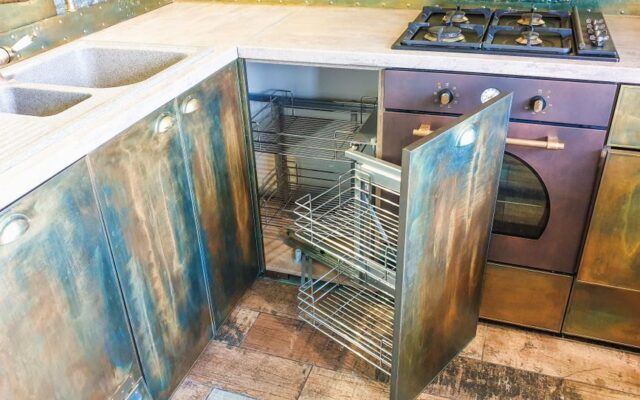
- Corner Base Solutions: Blind corner pull-out trays and Lazy Susan turntables maximize usable space in corner cabinets.
- Deep Drawer Systems: Replacing traditional lower double-door cabinets with deep pull-out drawers simplifies access to heavy pots, pans, and small appliances.
- Concealed Recycling and Trash Centers: Dual-bin pull-out units integrated behind a standard Shaker door panel keep waste disposal hidden from view.
Executing precise cabinet modifications, custom island builds, and seamless layout installations requires coordinating with specialists experienced incustom cabinetry in Bay Area. Professional craftsmanship ensures that door gaps remain uniform, box structures resist moisture, and hardware alignments operate smoothly over years of daily use.
Coordinating Countertops, Backsplashes, and Surfaces
Achieving a cohesive modern kitchen design requires selecting wall and countertop surfaces that complement the structural lines of Shaker doors.
Countertop Materials
Engineered quartz with subtle veining or solid matte finishes pairs exceptionally well with Shaker cabinetry. Quartz offers non-porous stain resistance while providing a smooth surface that does not visually compete with the cabinet frames. Honed granite and soapstone deliver rich texture for kitchens leaning toward industrial or rustic modern aesthetics.
Backsplash Integration
The simplicity of Shaker cabinets allows for flexibility in backsplash design:
- Full-Slab Backsplashes: Extending the same quartz or marble material from the countertop straight up to the upper cabinets or ceiling creates a seamless, luxurious backdrop.
- Vertical Stacked Tile: Arranging rectangular ceramic or zellige tiles in a vertical stack pattern emphasizes room height and complements the clean lines of slim Shaker frames.
- Herringbone and Geometric Patterns: Installing subway tile in a herringbone layout introduces subtle movement and architectural detail without overwhelming the space.
Conclusion
Shaker cabinets remain a cornerstone of modern kitchen design because of their remarkable versatility, structural simplicity, and timeless appeal. By adapting frame proportions, experimenting with bold painted finishes or organic wood tones, and selecting complementary hardware and surface materials, property owners can tailor Shaker cabinetry to suit virtually any aesthetic direction. Whether building a minimalist culinary workspace or a warm transitional family kitchen, Shaker cabinetry delivers an ideal foundation for enduring beauty and everyday functionality.