You bring your pet in for an itchy ear, a limp, a vaccine, or a sudden stomach issue, and it can feel like each visit stands alone. That is the part many pet owners do not see. At a veterinary clinic in Toronto, a general veterinarian is usually building a story over time, one exam, one lab result, and one small change in behavior at a time. When that story is clear, your pet gets better care. When it is scattered across memory, old paperwork, and rushed updates at the front desk, things get missed.
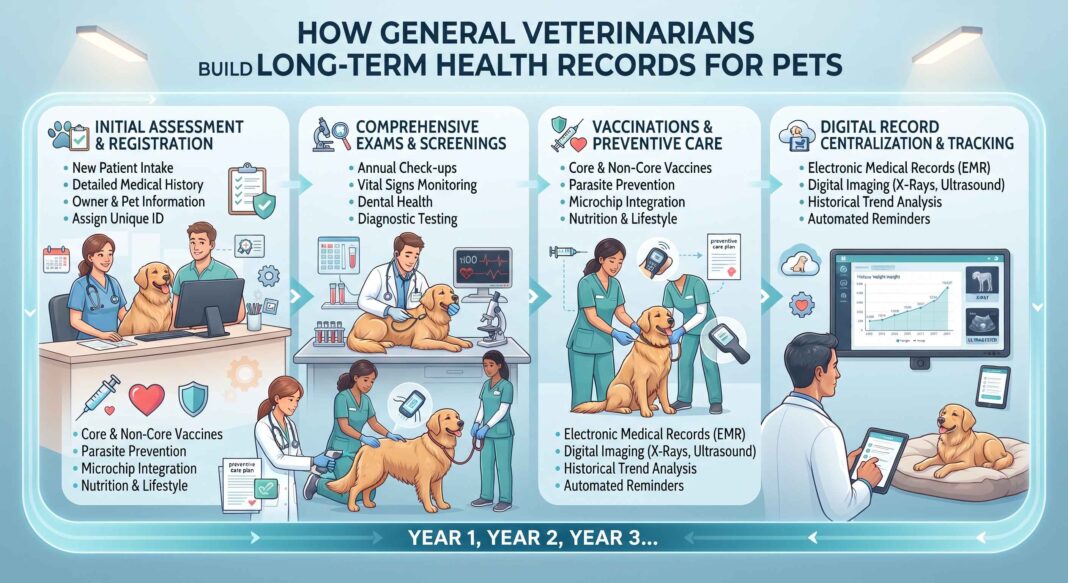
That is why How General Veterinarians Build Long Term Health Records For Pets matters more than most people realize. A strong record does not just list shots and weights. It tracks patterns, flags risks early, and gives your veterinarian context that can shape decisions years later. A complete pet medical history can mean the difference between treating a single symptom and seeing the bigger health picture.
General veterinarians use long term records to spot patterns early
A general veterinarian sees pets through ordinary life. Puppy visits become adult wellness exams. A healthy cat with clean blood work at age three may show mild kidney changes at age eight. A dog with seasonal skin flare ups may later develop food sensitivities or chronic ear infections. None of that is obvious from one appointment alone. It becomes clear through consistent records.
You may have lived this already. Your pet seems fine at home, then something changes so gradually that it is hard to pin down. Drinking a little more water. Sleeping more. Less interest in stairs. Slight weight gain after a medication change. Those details can sound small in isolation, but in a medical record they line up into a pattern.
That is the quiet strength of long term pet health tracking. It gives your veterinarian a baseline. Weight trends, vaccine history, parasite prevention, dental findings, lab values, allergies, prior reactions, imaging reports, and behavior notes all help build that baseline. If your pet gets sick, the veterinarian is not guessing what “normal” used to look like. They can compare today with five years of documented care.
Scattered information creates gaps in pet medical history
Gaps happen easily. You move. You switch clinics. An emergency hospital treats your pet on a weekend and the records never make it back to your regular doctor. You forget the name of a medication used two years ago. Your pet had vaccines at a low cost event, dental work at one clinic, and blood work somewhere else. No one is doing anything wrong, but the record becomes fractured.
That can raise costs and stress. If your veterinarian cannot confirm previous test results, they may need to repeat diagnostics. If a past drug reaction is missing, treatment options get narrower or riskier. If no one has a full list of chronic issues, subtle decline can look sudden when it is not.
Recordkeeping also supports public health and standards of care. Guidance from the CDC on healthy pets and people reflects how preventive care, vaccination, parasite control, and zoonotic disease awareness all connect. Federal expectations around veterinary oversight also show how documentation supports treatment decisions and animal welfare, as outlined by the USDA APHIS veterinary care rule.
General veterinarian records support better daily care and safer treatment
A good record is not just for illness. It helps with routine care too. If your dog gains three pounds every year, your veterinarian can address body condition before joint pain starts. If your cat has had steadily rising thyroid values, treatment can begin before the weight loss becomes severe. If your pet has anxiety during visits, those notes can shape a calmer plan next time.
This is also where communication matters. A veterinary record is strongest when it includes what you see at home. Appetite changes, bathroom habits, exercise tolerance, coughing at night, new supplements, even shifts in mood all belong in the record. The exam room snapshot is useful. Your day to day observations complete it.
Veterinary teams also rely on structured records to keep care consistent across staff members. If one doctor is out and another sees your pet, the chart should still tell a clear story. Training on quality documentation exists for a reason, and resources from the AVMA on medical recordkeeping reflect how central records are to safe, continuous care.
Home notes and veterinary records work best together
| Approach | What It Covers Well | Common Gaps | Best Use |
| Home tracking only | Daily appetite, behavior, symptoms, medication timing | No exam findings, no lab trends, details may be incomplete | Useful between visits and during flare ups |
| Veterinary records only | Physical exams, diagnoses, vaccines, prescriptions, test results | Limited view of what happens at home every day | Core medical history and treatment planning |
| Combined record | Full picture of symptoms, trends, and professional findings | Needs regular updates and record sharing | Best for long term care, chronic disease, and prevention |
The strongest system is shared. You track what changes at home. Your veterinary clinic documents what they observe, diagnose, and treat. Together, that creates a reliable veterinary health record system that supports prevention, earlier diagnosis, and safer care.
Three steps help you strengthen your pet’s long term record right away
Ask for a complete copy of your pet’s records. Get exam notes, vaccine history, lab work, imaging reports, medication lists, and discharge summaries. Keep digital copies in one folder you can reach from your phone.
Track the same few health markers every month. Weight, appetite, water intake, energy, stool quality, skin issues, and any medication changes are enough for most pets. Short, consistent notes are more useful than trying to remember everything later.
Make one clinic your home base when possible. Emergency and specialty care still matter, but a regular general veterinarian is often the person who sees the full arc of your pet’s health. Send outside records back to that clinic after every outside visit so the chart stays whole.
Long term pet records give your veterinarian a clearer path forward
You do not need a perfect system. You need a usable one. A strong record helps your general veterinarian notice changes sooner, avoid repeat work, and make decisions with more confidence. That protects your pet and eases some of the pressure on you when something feels off and you need answers fast.
If your pet’s medical history is spread across different places, start gathering it now and bring it to your next visit with your general veterinarian.