You know your pet’s routines better than anyone. You notice the slower walk to the food bowl, the nap that runs longer than usual, the small shift in mood that says something is off. That instinct matters, and sharing those early changes with a veterinarian in Aberdeen, NC can make a real difference, because many illnesses in animals begin quietly. By the time obvious symptoms show up, treatment can be harder, more expensive, and more stressful for both of you.
The role of animal hospitals in early disease detection is simple and serious at the same time. Regular exams, screening tests, and trained observation help catch disease before it turns into a crisis. That can mean finding cancer sooner, spotting infection before it spreads, or seeing changes in weight, bloodwork, or behavior that point to a larger problem. An animal hospital is not just a place for emergencies. It is often where prevention starts.
Animal hospitals catch the signs owners cannot always see
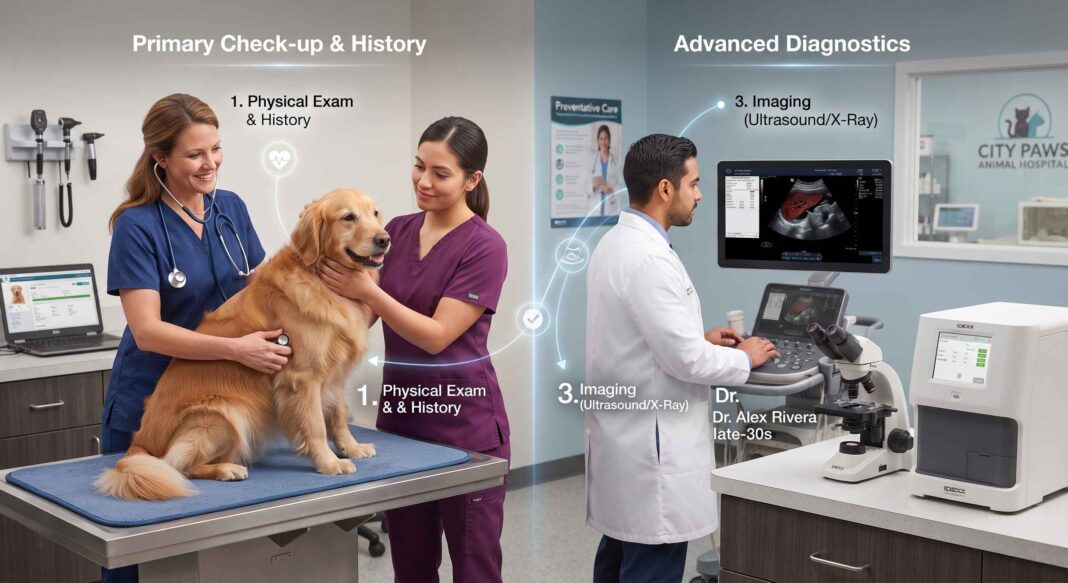
Most early disease signs are easy to miss at home. A dog can still wag its tail while developing pain, infection, or organ disease. A cat can keep eating while hiding serious illness. Animals are good at masking discomfort, which is why a physical exam matters. A veterinarian checks the mouth, skin, eyes, heart, lungs, abdomen, joints, and lymph nodes, then connects those findings with age, breed, history, and current symptoms.
This is where early disease detection in pets becomes real. A wellness visit may reveal a lump you had not felt under thick fur, a heart murmur that was not there last year, or dental disease severe enough to affect the kidneys and heart over time. Blood tests can show liver stress, kidney changes, anemia, diabetes, or thyroid issues before your pet looks sick. Fecal tests can uncover parasites even when stool looks normal. Urinalysis can flag infection or early kidney trouble long before accidents in the house begin.
The emotional side of this is hard. You may worry that testing will lead to bad news or bills you did not plan for. Waiting can feel easier for a week or two, especially when your pet still seems mostly normal. That delay is often where small problems become large ones. A minor infection can deepen. A growth can spread. Weight loss that looked harmless can turn out to be a sign of cancer or chronic disease.
Screening at an animal hospital supports earlier treatment and better outcomes
Early detection changes what treatment looks like. When disease is found sooner, care is often less invasive and more effective. Cornell’s general recommendations for cancer screening show how routine checks, lab work, and age based screening can help identify cancer earlier in dogs and cats. That does not guarantee an easy path, but it does give you more options.
Infectious disease is another place where animal hospitals matter. Some illnesses move between animals, and some can affect people. Rabies is the clearest example. The CDC’s guidance for veterinarians on rabies underscores how vaccination, exposure assessment, and prompt clinical action protect pets, veterinary teams, and families. Hospitals also help detect diseases that are less familiar to owners, including brucellosis. Cornell recently reported a new test developed to detect Brucella canis, a reminder that better diagnostics can uncover infection faster and with more precision.
That matters if you have a breeding dog, a recently adopted pet, or a household with multiple animals. One missed infection can affect far more than one patient. A good hospital looks beyond the single symptom and asks what else this could mean.
Routine monitoring and emergency care serve different purposes
Many people think of a hospital visit as something you do only after vomiting starts, limping gets severe, or breathing changes. Emergency care is essential, but it is not the same as preventive screening. One responds to visible illness. The other works to find hidden illness before it erupts. Both matter, but they are not interchangeable.
| Approach | What It Usually Involves | Main Benefit | Main Risk |
| Home observation only | Watching appetite, energy, bathroom habits, and behavior | You may catch obvious changes quickly | Silent disease can progress without visible signs |
| Routine animal hospital screening | Physical exam, bloodwork, fecal testing, urinalysis, imaging when needed | Finds disease earlier, often before symptoms are severe | Upfront cost and follow up testing may be needed |
| Emergency only care | Treatment after serious symptoms appear | Fast response during crisis | Diagnosis may come later in the disease process, with fewer treatment options |
Veterinary hospitals and early diagnosis work best when visits happen before there is an urgent problem. Senior pets often need more frequent monitoring because cancer, kidney disease, arthritis, endocrine disorders, and heart disease become more common with age. Puppies and kittens also benefit from early visits, since congenital issues, parasites, and vaccine planning all shape long term health.
Three steps you can take right away
Schedule wellness exams based on age, not just symptoms. Healthy adult pets still need routine exams. Senior pets often need them more often, along with lab work. If your pet has a breed related risk, ask for a screening plan that fits that risk.
Track subtle changes at home. Write down appetite, water intake, weight, bathroom habits, energy, coughing, itching, and any new lumps. A short note on your phone can help your veterinarian see patterns you might forget in the exam room.
Ask what screening is appropriate now. Do not settle for a vague checkup if something feels off. Ask whether bloodwork, urine testing, parasite screening, imaging, or infectious disease testing would help. If your pet is older, ask about cancer screening and baseline labs.
Early detection gives you more time and more choices
No one wants to hear that a pet may be sick. The fear is real, and so is the temptation to wait for a clearer sign. Early screening at an animal hospital gives you a better chance of finding trouble when it is still manageable. That can protect your pet’s comfort, your finances, and your peace of mind. If your pet is due for an exam or something small has been bothering you, make the appointment now and get ahead of it.