
Outdoor living spaces have become one of the most sought-after home improvements in recent years, with homeowners increasingly looking to extend their comfort beyond four walls. Whether it’s hosting summer dinners, creating a quiet reading retreat, or simply enjoying the garden year-round, the right outdoor structure makes all the difference. But with so many options available—from fabric canopies to wooden pergolas—how do you choose a solution that delivers both lasting durability and genuine style? Hardtop gazebos have emerged as a premium answer to this question, offering a striking combination of architectural elegance and robust functionality that few alternatives can match. In this article, we’ll explore why hardtop gazebos consistently outperform other outdoor structures by examining their material advantages, comparing them head-to-head with popular alternatives, and walking through practical installation guidance. We’ll also cover how to access reliable customer support resources, ensuring that garden enthusiasts at every skill level can confidently invest in a structure that transforms their outdoor space for years to come.
Exploring the Core Hardtop Gazebo Advantages
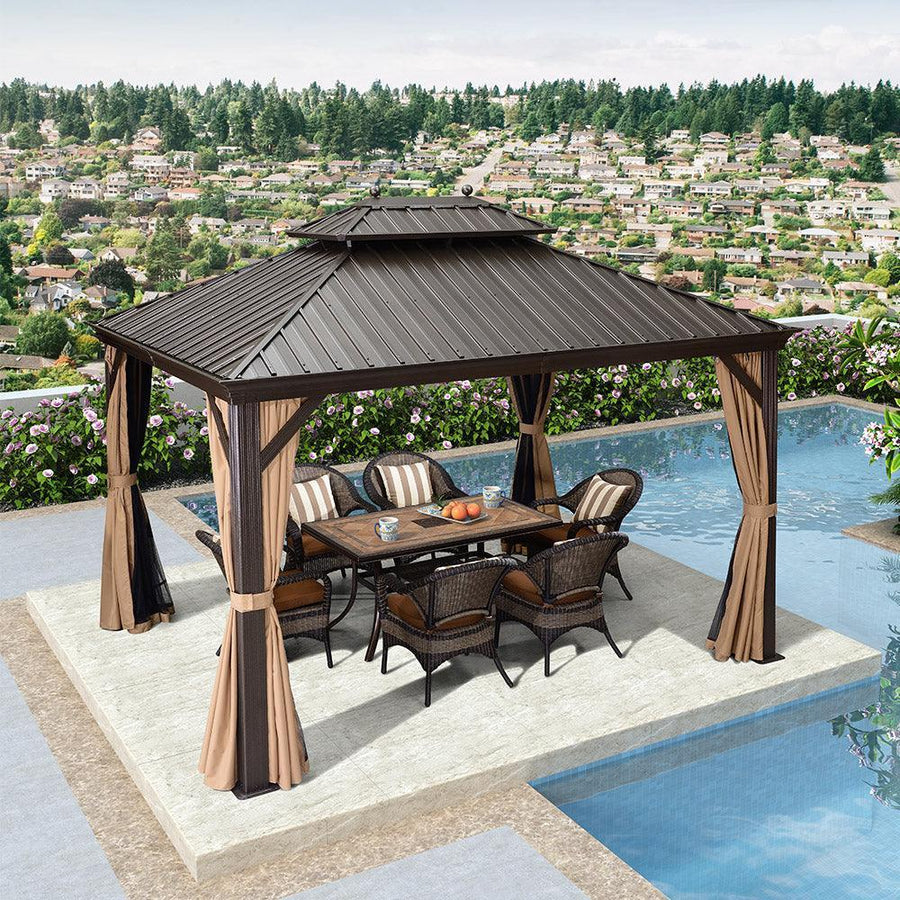
A hardtop gazebo is a freestanding or anchored outdoor structure featuring a solid roof—typically constructed from aluminum, galvanized steel, or polycarbonate panels—supported by a sturdy metal frame. Unlike their fabric-covered counterparts, these structures are engineered to serve as permanent additions to your landscape, delivering reliable shelter through every season. Understanding the key hardtop gazebo advantages helps explain why so many homeowners are choosing them over traditional alternatives.
 The most immediate benefit is superior durability against the elements. A solid roof doesn’t sag under pooling rainwater, won’t tear in gusty winds, and resists UV degradation that breaks down softer materials within just a few seasons. This means your outdoor entertaining space remains functional and attractive whether you’re dealing with a midsummer downpour or an unexpected early snowfall. The structural integrity of hardtop designs also allows them to support added features like ceiling fans, hanging lights, or retractable curtains without compromising stability.
Beyond performance, hardtop gazebos deliver remarkable aesthetic versatility. Available in styles ranging from sleek contemporary flat-roofs to classic peaked designs with ornamental finials, they integrate seamlessly into virtually any garden theme. The material palette—from dark bronze frames to charcoal-toned roofs—complements both modern minimalist landscapes and lush cottage gardens alike. This architectural presence doesn’t just enhance daily enjoyment; it can measurably increase property value by signaling a well-maintained, thoughtfully designed outdoor space to potential buyers.
Unbeatable Durability and Weather Resistance
Hardtop materials like powder-coated aluminum and polycarbonate panels are specifically chosen for their resilience. Aluminum frames resist rust and corrosion even in coastal environments, while polycarbonate roofing withstands hail impact that would shatter glass or puncture fabric. In regions with heavy snowfall, the rigid roof structure sheds accumulation rather than collapsing under weight. Where a soft-top canopy might last two to four seasons before needing replacement, a quality hardtop gazebo routinely performs for fifteen years or more with minimal intervention—making it a genuinely long-term investment in outdoor comfort.
Design Flexibility for Enhanced Outdoor Aesthetics
From Mediterranean-inspired arched rooflines to clean-edged modern pavilions, hardtop gazebos come in diverse architectural styles that elevate any backyard. Many models feature integrated roof venting that adds visual interest while improving airflow, and optional privacy panels or mosquito netting extend functionality without sacrificing appearance. Color options typically include neutral tones that blend with natural surroundings, and the substantial presence of a permanent structure creates a defined “outdoor room” effect that loose canopies simply cannot replicate—boosting both curb appeal and usable living space.
Low Maintenance and Easy Upkeep
One of the most practical hardtop gazebo advantages is how little ongoing care they demand. Unlike wood, which requires annual staining, sealing, and inspection for rot or termite damage, metal and polycarbonate surfaces need only occasional washing with mild soap and water to remove pollen, dust, or bird droppings. There’s no fabric to mildew, no canvas to re-waterproof, and no wooden joints to tighten as they expand and contract. A seasonal rinse with a garden hose and a quick check of fastener tightness is typically all that’s needed—saving both time and the cumulative expense of replacement materials year after year.
Comparative Analysis: Hardtop Gazebos vs. Other Outdoor Structures
When investing in an outdoor structure, understanding how different options stack up against each other helps ensure you make a decision aligned with your climate, budget, and long-term goals. Hardtop gazebos frequently emerge as the strongest contender when evaluated alongside soft-top gazebos, wooden pergolas, and composite structures—but the reasons extend beyond simple durability claims. Each structure type serves a purpose, yet the material strengths, total cost of ownership, and environmental suitability of hardtop designs give them a decisive edge for homeowners seeking a permanent outdoor solution. Soft-top gazebos appeal to renters or those needing temporary shade, while wooden pergolas offer rustic charm at the expense of ongoing maintenance commitments. Composite structures bridge some gaps but often lack the architectural refinement and proven weather performance that hardtop gazebos deliver. By examining these comparisons closely, garden enthusiasts can move beyond surface-level assumptions and choose a structure that genuinely serves their outdoor lifestyle for decades rather than just a few seasons.
Hardtop vs. Soft-Top Gazebos: A Durability Showdown
Soft-top gazebos use fabric canopies—typically polyester or canvas—stretched over a lightweight metal frame. They’re affordable upfront and relatively simple to assemble, making them attractive for seasonal use or temporary event coverage. However, fabric degrades rapidly under constant UV exposure, often fading and weakening within two seasons. Wind poses a serious threat, as gusts can tear canopy material or even lift the entire structure if not heavily weighted. Rain pools on sagging fabric, stretching it further and promoting mildew growth. Hardtop gazebos eliminate every one of these vulnerabilities. Their solid roofing panels shed water instantly, resist wind loads through engineered framing, and never fade or stretch. For anyone planning a permanent outdoor entertaining area—especially in regions experiencing varied weather—the hardtop design provides uncompromising protection that soft-tops simply cannot sustain beyond short-term use.
Wooden Structures and Pergolas: Maintenance and Cost Considerations
Wooden pergolas and gazebos carry undeniable natural beauty, blending organically into garden settings with their warm tones and traditional craftsmanship. Yet this beauty comes at a recurring cost. Wood demands annual staining or sealing to prevent moisture penetration, and even pressure-treated lumber eventually succumbs to rot, warping, or insect damage in humid climates. Cedar and redwood resist decay longer but carry significantly higher initial costs. Over a ten-year span, the cumulative expense of maintenance products, replacement boards, and labor often exceeds the one-time investment in a hardtop gazebo. Additionally, wooden pergolas typically provide only partial shade through open-rafter designs, leaving occupants exposed during rain. Hardtop gazebos deliver complete overhead protection with virtually zero degradation over the same timeframe, making them a smarter financial choice for garden enthusiasts who value both aesthetics and practical, worry-free performance across all seasons.
Practical Installation and Assembly Guide for Hardtop Gazebos
Investing in a hardtop gazebo is only half the equation—proper installation determines whether your structure performs safely and beautifully for its full lifespan. Many homeowners feel intimidated by the prospect of assembling a large outdoor structure, but with methodical planning and the right approach, the process is entirely manageable. A thorough assembly guide breaks the project into logical phases: site preparation, frame construction, roof panel installation, and final anchoring. Each phase builds on the previous one, and rushing any step risks compromising structural integrity. For those mounting their gazebo on an existing patio or deck surface, additional considerations around anchoring methods and load distribution come into play. Composite deck installation has become increasingly popular alongside hardtop gazebos, as both share similar longevity characteristics and complement each other aesthetically. Whether you’re working on a concrete pad, natural ground, or an elevated deck platform, understanding the correct sequence and techniques ensures your gazebo stands firm against wind, snow, and years of daily use. The following sections walk through each stage with practical, actionable steps that transform what might seem like a daunting weekend project into a straightforward and rewarding accomplishment.
Pre-Installation Planning and Site Preparation
Before unboxing any components, select a level location with adequate clearance—most manufacturers recommend at least two feet of open space on all sides for airflow and maintenance access. Check local building codes and HOA regulations, as some jurisdictions require permits for permanent structures above a certain height or footprint. Mark the exact footprint using stakes and string, then verify diagonal measurements to confirm squareness. Gather essential tools: a socket wrench set, power drill, level, step ladder, and ideally a second pair of hands. Clear the site of debris, ensure proper drainage slopes away from the planned foundation, and if installing on soil, consider pouring concrete footings for each post location to prevent settling over time.
Step-by-Step Assembly Process
Begin by laying out all hardware and cross-referencing pieces against the included parts list—addressing missing components before you start saves significant frustration. Assemble the vertical posts first, securing them to base plates or footings with the provided anchors. Next, connect horizontal beams and cross-supports to form the upper frame, using a level at each connection point to maintain alignment. Once the frame is plumb and square, install roof panels starting from one edge and working systematically across, ensuring each panel seats fully into its channel before fastening. Tighten all bolts in a final pass rather than fully torquing during initial placement, which allows minor adjustments. Follow the manufacturer’s official assembly guide precisely for panel overlap direction, as this affects water runoff performance.
Integrating with Composite Deck Installation
Mounting a hardtop gazebo on a composite deck requires specific anchoring techniques since composite boards alone cannot bear lateral wind loads. Identify the underlying joist structure and drill through the decking into joists or blocking beneath, using lag bolts or through-bolts with washers to distribute force. If your composite deck installation didn’t include reinforced blocking at gazebo post locations, you may need to add support from below before anchoring. Use rubber or neoprene washers between metal base plates and composite surfaces to prevent moisture trapping and surface scratching. Always verify that your deck’s load capacity accommodates the gazebo’s weight plus environmental loads like snow, and consult the deck manufacturer’s guidelines regarding acceptable fastener types to maintain warranty coverage.
Accessing Reliable Customer Service and Support
Even the best-engineered hardtop gazebo can present questions during ownership—whether you’re navigating assembly for the first time, need a replacement component after years of use, or want guidance on customizing your setup with accessories. This is where dependable customer service gazebo support becomes an invaluable resource rather than an afterthought. Reputable manufacturers like PURPLE LEAF recognize that their product’s reputation depends not just on material quality but on the post-purchase experience they deliver. Effective support channels bridge the gap between a boxed product and a fully realized outdoor living space, helping homeowners troubleshoot challenges quickly and maintain their investment properly over time. Before purchasing, evaluate a brand’s support infrastructure—look for multiple contact methods, accessible documentation, and responsive warranty policies. Companies that invest in comprehensive customer service programs signal confidence in their products and commitment to long-term buyer satisfaction. Knowing how to access and leverage these resources transforms potential frustrations into quick resolutions, ensuring your gazebo project stays on track from unboxing through years of enjoyment.
How to Utilize Customer Service for Gazebo Projects
Most established gazebo manufacturers offer support through phone lines, email ticketing systems, and live chat during business hours. Start by visiting the brand’s official website, where you’ll typically find a dedicated support section containing downloadable assembly guides, FAQ databases addressing common installation questions, and video tutorials that walk through tricky steps visually. Community forums hosted by retailers or enthusiast groups provide peer advice from homeowners who’ve completed similar projects. When contacting support directly, have your model number, purchase date, and specific photos of any issues ready—this accelerates resolution and helps representatives provide targeted guidance rather than generic troubleshooting scripts.
Solving Common Issues with Professional Support
Assembly difficulties rank among the most frequent support requests, particularly around roof panel alignment or hardware that doesn’t seem to match diagram illustrations. Customer service teams can clarify revised assembly steps, confirm whether you’ve received the correct hardware revision, or ship replacement parts at no cost under warranty. Material defects—such as a scratched panel discovered during unboxing or a pre-drilled hole slightly misaligned—are typically resolved through expedited component replacement. For structural concerns after installation, such as unusual noise during wind or water pooling at a joint, support agents can diagnose whether the issue stems from an installation adjustment you can make yourself or requires a warranty claim for professional intervention.
Investing in a Hardtop Gazebo for Long-Term Outdoor Living
Hardtop gazebos stand apart from other outdoor structures by delivering a rare combination of lasting durability, minimal maintenance demands, and genuine architectural beauty that elevates any garden setting. Where soft-top canopies deteriorate within a few seasons and wooden pergolas require endless upkeep cycles, a well-chosen hardtop gazebo provides complete weather protection and visual sophistication for fifteen years or more with little more than an occasional rinse. Proper installation—whether on concrete, soil, or a composite deck—ensures your structure performs safely through wind, snow, and daily use, while accessible customer service resources keep the entire ownership experience smooth from first assembly through long-term enjoyment. For garden enthusiasts ready to make a meaningful, lasting improvement to their outdoor living space, a hardtop gazebo represents one of the smartest investments available. Take the next step by reviewing detailed assembly guides for your chosen model, confirming local permit requirements, and reaching out to manufacturer support teams with any site-specific questions. Your ideal outdoor room is closer than you think—and built to last far longer than the alternatives.