
It’s 7 a.m., and before you’ve had your first cup of coffee, you’re already scooping through three litter boxes while your cats weave impatiently around your ankles. For multi-cat households, this is the unglamorous daily reality — a cycle of scooping, deodorizing, and scrubbing that seems to never end. The odor hits you the moment you walk into the room, guests notice it before you do, and no matter how diligently you clean, the smell lingers. Add in the time drain of maintaining multiple boxes and the hygiene risks of waste left sitting too long, and it’s easy to see why so many cat owners feel overwhelmed.
This is exactly where a cat automatic litter box changes the game. These smart devices handle the scooping for you, managing waste automatically so your home stays fresher with far less effort. For households juggling two, three, or even more cats, the difference is immediate and significant. Throughout this article, we’ll explore how automatic litter boxes work, what features matter most for multi-cat homes, and how to choose the right model to keep both you and your cats happy.
The Challenge of Multi-Cat Litter Box Maintenance
Frequency and Labor Issues
The general rule of thumb is one litter box per cat, plus one extra — meaning a three-cat household ideally maintains four boxes. Each needs scooping at least once daily, and thorough cleaning weekly. In practice, that translates to roughly 20 to 30 minutes every single day just on litter duty. Miss a session, and the boxes become unpleasant fast. Cats are fastidious by nature; a dirty box often leads them to find alternative spots, which creates an entirely different problem. For busy households, keeping up with this schedule isn’t just inconvenient — it’s genuinely exhausting.
Odor and Hygiene Concerns
Waste left sitting in a box for even a few hours begins producing ammonia, a sharp-smelling compound that permeates fabrics, walls, and air. With multiple cats cycling through boxes throughout the day, odor accumulates faster than most owners anticipate. Beyond the smell, there are real hygiene concerns: bacteria from fecal matter can spread to surrounding surfaces, and cats tracking litter across floors carry contamination further. Toxoplasma gondii, present in cat feces, is a genuine health consideration, particularly for pregnant individuals or immunocompromised household members. Consistent, frequent cleaning isn’t just about comfort — it’s a matter of keeping your home genuinely sanitary. This is precisely why convenient pet solutions like automatic litter boxes have become so appealing to multi-cat owners looking for a smarter approach to daily maintenance.
How Automatic Litter Boxes Simplify Your Life
Automatic litter boxes represent a genuine shift in how cat owners manage daily hygiene — not just a convenience upgrade, but a fundamentally different approach to waste management. Instead of relying on your schedule, these devices operate independently, cleaning the box shortly after each use so waste never sits long enough to become a serious odor or hygiene problem. For multi-cat households, this matters enormously. Where manual scooping creates a perpetual backlog, an automatic system keeps pace with even the busiest feline traffic.
Self-Cleaning Mechanisms
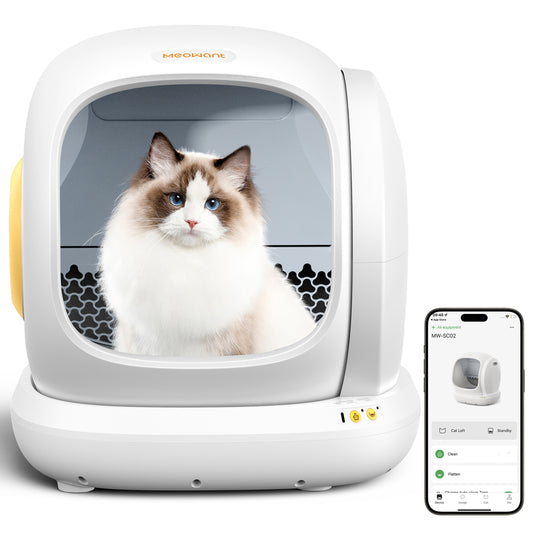
Most automatic litter boxes use one of two core approaches: a rotating globe that tumbles clumps into a sealed waste drawer, or a motorized rake that sweeps waste toward a collection bin. Both are typically triggered by weight sensors that detect when a cat has entered and exited, then initiate a cleaning cycle after a short delay — usually five to ten minutes — giving the cat time to leave safely. Some higher-end models, including those from brands like Meowant, allow you to customize cycle timing through a companion app, which is particularly useful for syncing cleanings with your household’s rhythm. The result is a box that resets itself dozens of times a day without any input from you.
Odor Control Technology
Beyond the mechanical cleaning, smart litter boxes tackle odor through several layers of technology. Sealed waste compartments are the first line of defense, trapping ammonia and sulfur compounds before they can escape into the room. Many models pair this with activated carbon filters that absorb residual odors, while some include built-in ionizers or UV sanitizers that neutralize bacteria at the source. A few premium options even incorporate deodorizing sprays that activate after each cycle. Together, these features keep odor remarkably contained — a meaningful improvement over even the most diligently maintained traditional box, and a transformative one for multi-cat homes where odor accumulates fastest.
Key Features to Look for in a Smart Litter Box
Choosing a smart litter box for a multi-cat household isn’t as simple as picking the most popular model. The right choice depends on your cats’ sizes, temperaments, and how many animals will be sharing the unit. Evaluating a few core features before purchasing will save you from costly mismatches and frustrated cats who refuse to use the box entirely.
Size and Capacity for Multiple Cats
The interior space of an automatic litter box matters far more in multi-cat homes than manufacturers sometimes acknowledge. A cat should be able to turn around comfortably inside without feeling cramped — and for larger breeds like Maine Coons or Ragdolls, that means looking for units with an interior diameter of at least 18 inches. Waste drawer capacity is equally critical: a box designed for a single cat may need emptying every day or two when shared by three or four animals, defeating much of the convenience. Look for models with larger sealed waste compartments and check how frequently the manufacturer recommends emptying them under heavy use conditions.
Safety Features for Timid or Large Cats
Automatic litter boxes use moving parts, and those parts need to stop immediately if a cat re-enters during a cleaning cycle. Reliable weight sensors and infrared detectors are non-negotiable safety features — they should pause the mechanism the instant any motion is detected inside. For timid cats, enclosed globe-style designs can actually feel more secure once the cat adapts, while open-top rake systems may be less intimidating during the transition period. Avoid models where the cleaning mechanism moves quickly or unpredictably, as sudden movements can startle cats and lead to avoidance behavior that’s difficult to reverse.
Noise Levels and Cat Comfort
Even cats that aren’t particularly skittish can be put off by a loud motor grinding through a cleaning cycle. Most quality automatic litter boxes operate between 40 and 55 decibels — roughly equivalent to a quiet conversation — which is acceptable for most cats. If you have noise-sensitive animals, prioritize models that specifically advertise quiet motors and offer a slow-rotation or low-speed mode. Some app-connected units let you schedule cleaning cycles for times when cats are less active, such as midday or late evening, reducing the chance of a startling encounter with the machine mid-cycle.
Step-by-Step Guide to Choosing the Right Model
With dozens of automatic litter boxes on the market, narrowing down the right one requires more than reading a top-ten list. A structured approach helps you match the device to your actual household — not just the average cat owner’s household.
Assessing Your Household Needs
Start by taking stock of what you’re working with: how many cats, their sizes and temperaments, and how much floor space you can realistically dedicate. A skittish rescue cat and a confident Maine Coon have very different needs from the same machine. Consider how often you’re home to monitor the box initially, and how much ongoing maintenance you’re willing to handle. If you travel frequently, a model with a large waste drawer and app-based remote monitoring becomes a priority rather than a luxury. Write down your non-negotiables before browsing — it keeps you from being swayed by features that look impressive but don’t serve your specific situation.
Comparing Models and Brands
Once you know what you need, compare models across three dimensions: features, reliability, and support. Look for brands with established track records and responsive customer service, since mechanical devices inevitably need troubleshooting. User reviews from multi-cat households are especially valuable — they surface real-world issues like waste drawer overflow, sensor misfires, or litter compatibility problems that spec sheets won’t mention. Meowant, for instance, has built a following among multi-cat owners specifically for its attentive support and readily available replacement parts. Pay attention to warranty length and whether replacement parts like filters and liners are reasonably priced. A cheaper unit with expensive or hard-to-source consumables often costs more over time.
Installation and Setup Tips
Most automatic litter boxes arrive largely pre-assembled, but placement and initial configuration still matter. Position the unit in a low-traffic, quiet area with access to a power outlet — avoid cramped closets where ventilation is poor. Fill it with the litter type specified by the manufacturer, as some mechanisms are calibrated for specific granule sizes and clumping behaviors. Before your cats use it, run a manual cleaning cycle to confirm everything operates correctly and to let the motor sound dissipate into the environment, making it less startling when cats first encounter it.
Making the Switch to Smarter Cat Litter Management
Managing litter boxes for multiple cats doesn’t have to be an exhausting, never-ending chore. Smart automatic litter boxes fundamentally change the equation — handling the scooping, containing odors, and maintaining hygiene between your cleanings so you can spend less time managing waste and more time actually enjoying your cats. For multi-cat households especially, the cumulative benefit is hard to overstate: fewer odor complaints, reduced hygiene risks, and the quiet relief of not facing a lineup of dirty boxes every morning.
The right model, chosen with your cats’ sizes and temperaments in mind, introduced gradually and maintained consistently, becomes a seamless part of your household routine. Your cats get a consistently clean space that meets their fastidious standards, and you reclaim the time and energy that manual maintenance used to consume. As pet care technology continues to advance, automatic litter boxes are only becoming smarter, quieter, and more capable. If you’ve been on the fence, there’s never been a better moment to make the switch and experience firsthand what truly effortless cat litter maintenance feels like.