Police Misconduct in the Windy City: Understanding Your Civil Rights and Legal Options

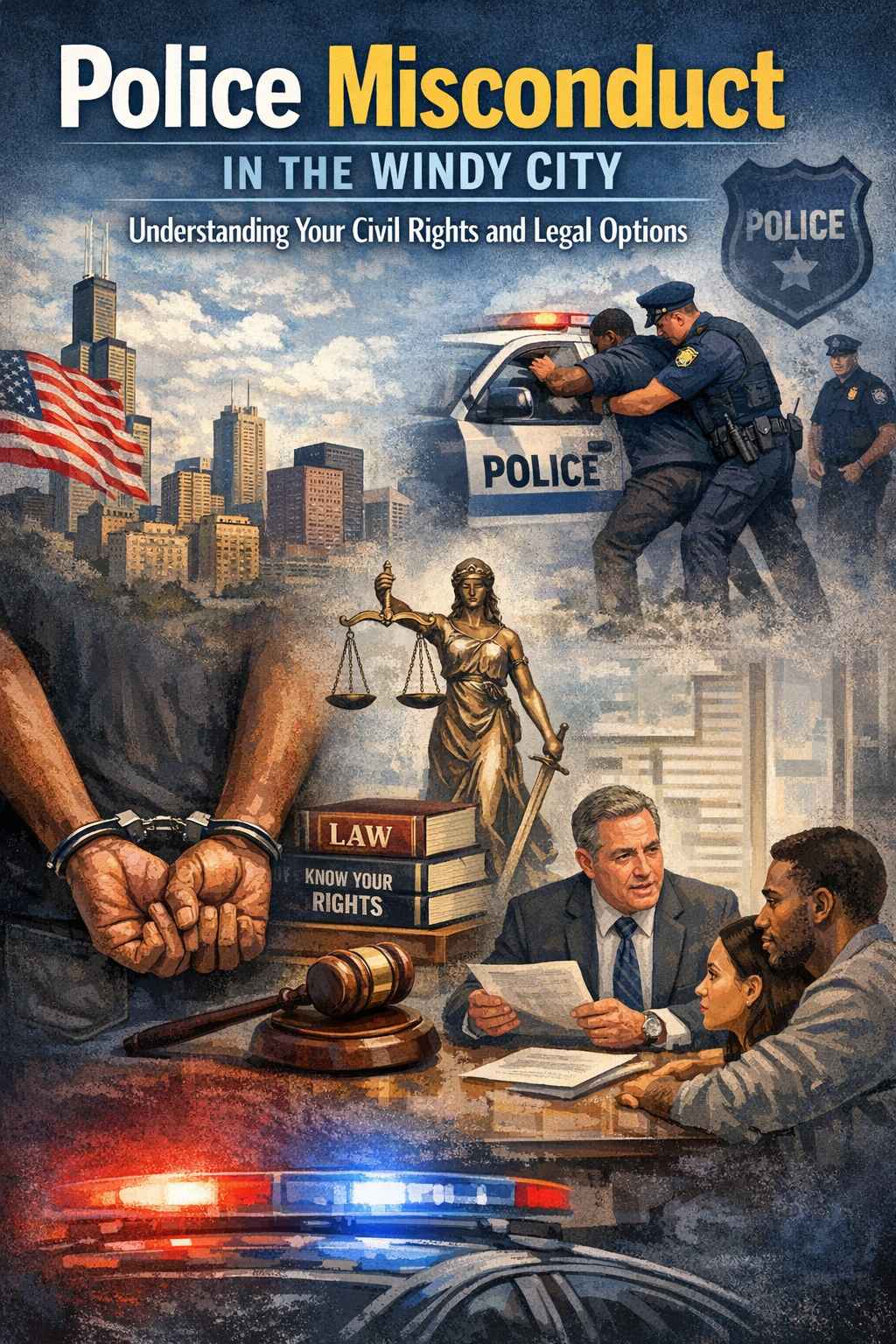
Police misconduct in Chicago is a serious issue that affects many lives. It’s vital to understand your civil rights and legal options if you encounter such situations. Misconduct can take several forms, such as excessive force, false arrest, or improper searches. Knowing what qualifies as misconduct helps in recognizing when rights have been violated. Navigating the legal system can seem daunting, but having the right information can make a difference. Seeking guidance from Police Brutality Lawyers Chicago can be a crucial step. They offer insight and support, ensuring that victims’ rights are upheld. Understanding the essentials of your civil rights empowers you to take action. The journey towards justice begins with knowing the facts and being prepared. This knowledge not only protects individuals but also strengthens the community as a whole. Together, we can work towards a fairer and more just society for everyone in the Windy City.
Recognizing Types of Police Misconduct
Police misconduct includes various inappropriate actions by officers. Understanding these helps in identifying your rights. Here are some common types:
- Excessive Force: When officers use more physical force than necessary.
- False Arrest: Arresting someone without proper legal justification.
- Improper Searches: Conducting searches without a warrant or probable cause.
Each of these can lead to significant personal and legal consequences. It’s important to know that you have rights protected by laws like the Fourth Amendment, which guards against unreasonable searches and seizures. For more on these protections, visit the ACLU’s guide on knowing your rights.
Navigating the Legal System
Dealing with legal issues around police misconduct can be complex. Here’s a simple guide to help understand the process:
- Document Everything: Write down details of the incident immediately. Include time, location, and the officers’ badge numbers.
- Seek Medical Attention: If injured, get medical help right away and keep records of all treatments.
- File a Complaint: Report the incident to the relevant police department’s internal affairs or a civilian oversight board.
- Consult Legal Experts: Contact professionals who specialize in police misconduct for guidance.
Understanding these steps can lead to better outcomes. The U.S. Department of Justice offers resources on filing complaints against police officers.
Comparing Legal Options
When facing police misconduct, knowing your legal options is crucial. Here’s a comparison of typical routes:
| Legal Option | Pros | Cons |
| Civil Lawsuit | Compensation for damages | Can be lengthy and costly |
| Internal Affairs Complaint | May result in officer discipline | Investigations can be biased |
| External Oversight Board | Independent review | Limited enforcement power |
Each of these options has its advantages and challenges. Deciding which path to take depends on the specifics of your case and personal priorities.
Taking Action and Seeking Support
Empowerment comes from action. By understanding your rights and the available legal avenues, you take the first step towards justice. Community support is also vital. Engaging in local forums or groups focused on police reform can provide additional strength and courage.
While the journey might be challenging, remember that you are not alone. There’s a network of professionals and community members ready to help. Together, we can strive for accountability and fairness in law enforcement, ensuring a safer and more equitable society for all.