From the mountains to the coastline, North Carolina is a state defined by movement—busy highways, growing cities, and close-knit communities where everyday life rarely slows down. With that activity comes risk, and accidents can disrupt far more than a single moment, affecting livelihoods, families, and long-term stability. When an injury happens, navigating recovery is not just physical or emotional; it is also legal. Laws in North Carolina carry their own standards, timelines, and expectations, making legal decisions especially consequential for those seeking compensation.
Choosing representation, then, is not a box to check but a critical step in protecting your future. The process requires clarity, trust, and an understanding of how the legal system works within the state. That is why learning how to evaluate your options carefully matters. For individuals searching for guidance, understanding how to select the right North Carolina personal injury lawyers can make the difference between added stress and a clear path forward.
Assessing Experience and Track Record
The track record of an attorney also speaks volumes about their capacity to deal with cases. Previous results give potential clients a better idea of what type of case a lawyer typically handles.
Evaluating Communication Skills
Transparent and swift communication develops confidence in attorney-client relations. Successful lawyers will use plain English to explain legal terms. They are available to answer questions and meet needs continuously. Clients never feel adrift or out in the cold with regard to their case, with an open line of dialogue.
Checking Professional Credentials
Well, that is why licensing and membership in professional organizations matter. They reflect a dedication to ethical practices and continuous learning. By researching these specifics, you can validate legitimacy and put a client at ease that a lawyer is actually qualified.
Understanding Fee Structures
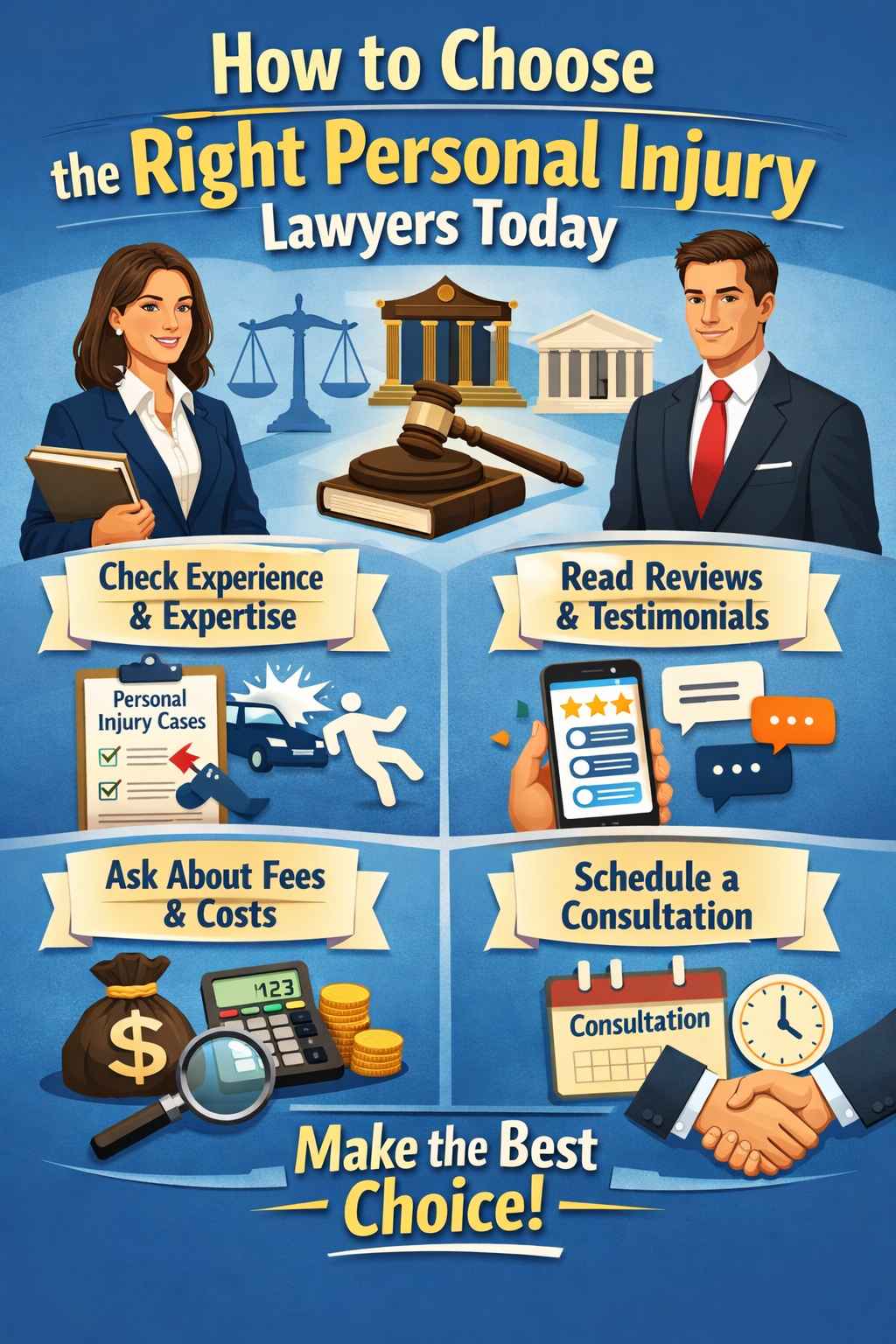
Different companies employ different payment structures. Some design professionals charge by the hour, while others work on a contingency basis. Before signing any contracts, clients should ask the following: How is each charge computed? Identifying potential costs up front avoids confusion — or surprise expenses — down the road.
Considering Specialization
Not every lawyer that you hire would work in the area of personal injuries. Those who spend the majority of their practice in this space tend to have more insight. Their experience with insurance companies, medical jargon, and regional statutes makes a favorable outcome a more secure thing. This sort of specialization generally allows for a more efficient handling of a case.
Seeking Client Testimonials and Reviews
Client testimonials offer honest insight into what it’s really like to work with a lawyer. They reflect not only satisfaction with the outcome of a case but also the overall experience throughout the process. Reviews can also highlight recurring concerns, such as unresolved complaints or communication issues. Because these opinions come from real clients, third-party review platforms often provide the most unbiased and reliable perspective when evaluating legal representation.
Scheduling an Initial Consultation
The client gets a feel for the prospective attorney. Consulting provides an opportunity to ask questions, address concerns, and determine if you are a good match. Simply put: the right attorney will listen and give you straightforward, blunt advice. Comfort in this meeting is one of the steps to building trust.
Assessing Availability and Resources
If you are a small firm, maybe they can provide you with more attention to your brief. And if your firm is a large office, then they probably have more support. Strike the right balance with the lawyer of your choice.
Evaluating Local Knowledge
Knowing the courts and processes can be a big plus. Not unlike sports, having a lawyer who knows the judges, rules, and medical providers in the area can offer valuable insight. That way, things will go better, and the number of missed hurdles will be less.
Reviewing Settlement and Trial Experience
Most personal injury cases settle before a lawsuit is filed. However, some advance to trial. An attorney who is experienced in negotiating settlements as well as trying cases can be flexible when circumstances change. With experience negotiating and litigating matters, they ensure that their clients are ready for any situation.
Prioritizing Professionalism and Compassion
Legal skill matters, but so does how an attorney treats the people they represent. A good lawyer supports clients throughout the process, especially when the circumstances and potential outcomes feel overwhelming. Professionalism shows in clear communication, respect for clients’ time, and a courteous, attentive manner. When combined with genuine compassion, these qualities help build trust and create a productive working relationship. Clients are far more likely to feel confident in an attorney who demonstrates both expertise and care.
Conclusion
So, several things can be considered before choosing a personal injury attorney. Being informed and seeking consultation and comparison takes time and effort, but it pays off. The right advocate can help people seek fair compensation and move on with certainty.