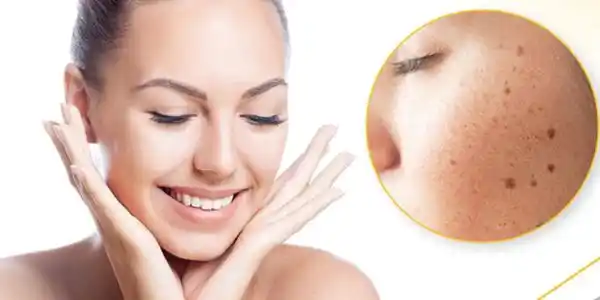
A clear, radiant complexion has long been considered a mark of beauty and confidence. However, pigmentation can often stand in the way of achieving that flawless glow. Dark spots, uneven tone, and discoloration are common skin issues that many people struggle with, regardless of age or gender. While some pigmentation may fade naturally over time, deeper or more stubborn types often require professional treatment.
Thanks to modern advancements in aesthetic care, there are now safe and effective ways to minimize pigmentation and restore a balanced, luminous complexion. With the help of expert dermatologists and aesthetic specialists, achieving even-toned skin is more accessible than ever.
Understanding Pigmentation and Its Root Causes
Pigmentation occurs when the skin produces too much melanin, the natural pigment that gives skin its color. This overproduction can be triggered by several factors, including sun exposure, hormonal changes, inflammation, and even genetics. When melanin is unevenly distributed, it results in dark spots or patches on the skin.
Those searching for the best pigmentation treatment Singapore clinics offer often learn that understanding the type of pigmentation is the first step toward effective care. The most common types include:
- Melasma: Characterized by brown or grayish patches on the face, often triggered by hormonal fluctuations, pregnancy, or birth control pills.
- Sunspots (Solar Lentigines): Caused by chronic sun exposure and aging, usually appearing on areas frequently exposed to the sun.
- Post-inflammatory Hyperpigmentation (PIH): Dark spots that develop after acne, eczema, or other skin injuries.
- Freckles: Small brown spots influenced by genetics and sun exposure.
Each type of pigmentation behaves differently, which means treatment plans must be customized to the individual’s skin condition, tone, and lifestyle.
Why Professional Treatment Makes a Difference
While home remedies and over-the-counter products may help lighten mild discoloration, professional treatments address pigmentation at its source. Aesthetic specialists have access to advanced technologies and medical-grade ingredients that can safely target deeper skin layers without damaging surrounding tissue.
Professional care ensures that treatments are both effective and safe, reducing the risk of skin irritation or uneven lightening. Moreover, dermatologists can combine various methods to achieve optimal results, depending on the skin’s needs.
Effective Pigmentation Treatments for Brighter, Even Skin
Modern aesthetic clinics offer a range of treatments that can dramatically improve pigmentation, each working in unique ways to restore balance and clarity to the skin.
Laser Treatments
Laser therapy remains one of the most effective and precise methods for treating pigmentation. It uses controlled beams of light to break down melanin deposits in the skin. Over time, these particles are naturally removed by the body’s immune system, leading to a clearer, more even complexion.
Fractional and Q-switched lasers are commonly used for pigmentation concerns. They not only target dark spots but also promote collagen production, improving overall texture and radiance. Laser treatments are suitable for most skin types and can address various forms of pigmentation, from sunspots to melasma.
Chemical Peels
Chemical peels use controlled exfoliating solutions to remove the outermost layers of dead and pigmented skin cells. Depending on the severity of pigmentation, dermatologists can adjust the strength of the peel to achieve optimal results.
Peels containing glycolic acid, salicylic acid, or trichloroacetic acid (TCA) are especially effective for pigmentation. In addition to evening out skin tone, they help refine pores, smooth texture, and boost radiance.
Intense Pulsed Light (IPL) Therapy
IPL therapy works by delivering broad-spectrum light energy into the skin. This energy targets melanin clusters, causing them to break down and fade over time. It also stimulates collagen production, improving firmness and brightness.
Unlike laser treatments, IPL covers a wider area, making it ideal for treating diffuse pigmentation across the face, neck, and hands. It is a gentle option that requires minimal downtime, making it popular for those with busy lifestyles.
Microneedling and Radiofrequency
Microneedling creates micro-channels in the skin, stimulating collagen production and enhancing the absorption of brightening serums. When combined with radiofrequency energy, this treatment improves overall skin tone and elasticity while reducing pigmentation.
It is particularly effective for treating post-inflammatory hyperpigmentation and residual acne marks. Regular sessions can lead to smoother, more luminous skin.
Topical and Medical-Grade Skincare
Dermatologists often complement in-clinic treatments with customized skincare regimens that include active ingredients known to lighten pigmentation. These may include:
- Vitamin C: Reduces oxidative stress and brightens skin.
- Niacinamide: Regulates melanin transfer and strengthens the skin barrier.
- Retinoids: Accelerate cell turnover, helping fade dark spots.
- Hydroquinone or Tranexamic Acid: Used in prescription formulations to reduce melanin synthesis.
A tailored skincare routine ensures that results from professional treatments are maintained and enhanced over time.
Preventing Pigmentation Recurrence
Treating pigmentation effectively requires a combination of medical care and consistent maintenance. Without preventive measures, pigmentation can return due to continued sun exposure or hormonal factors.
Sun Protection
The most important step in prevention is daily sun protection. Ultraviolet (UV) rays trigger melanin production, worsening existing pigmentation and creating new spots. Using broad-spectrum sunscreen with at least SPF 30, even on cloudy days, is essential. Reapplying throughout the day ensures continuous protection.
Gentle Skincare Habits
Avoid harsh scrubs or abrasive treatments that can irritate the skin and trigger post-inflammatory hyperpigmentation. Instead, choose gentle cleansers and hydrating moisturizers to maintain a healthy skin barrier.
Balanced Lifestyle
A diet rich in antioxidants supports skin healing and reduces inflammation. Regular hydration, adequate sleep, and stress management also play a role in preventing pigmentation from worsening.
Consistent Follow-ups
Dermatologists may recommend periodic maintenance treatments, such as light chemical peels or laser touch-ups, to preserve results and prevent recurrence.
Achieving a Radiant Complexion with Expert Care
Pigmentation can be stubborn, but with professional guidance and the right treatment plan, clear and radiant skin is possible. Aesthetic clinics today offer tailored solutions that go beyond surface-level correction. These treatments rejuvenate the skin, stimulate collagen production, and restore natural luminosity.
Consulting with an experienced dermatologist ensures a customized approach that considers your skin type, pigmentation pattern, and personal goals. Combining advanced technology with ongoing care can yield lasting improvement and boost confidence.
Commonly Asked Questions
How long does it take to see results from pigmentation treatments?
Results vary depending on the treatment type and severity of pigmentation. Most patients begin to notice improvement within 4 to 6 weeks, with optimal results after several sessions.
Are pigmentation treatments safe for all skin types?
Yes. Modern treatments are safe for all skin types when performed by qualified professionals. Dermatologists assess your skin before treatment to select the most suitable and safe option.
Is there downtime after pigmentation treatments?
Downtime depends on the procedure. Mild redness or peeling may occur after laser or chemical peels, but most patients can resume daily activities shortly after treatment.
Can pigmentation return after treatment?
Pigmentation can return if sun protection and proper skincare are neglected. Regular maintenance treatments and consistent sunscreen use help maintain results.
Are at-home products effective for pigmentation?
While some over-the-counter products can help with mild discoloration, professional treatments offer more precise and lasting results by targeting deeper layers of the skin.
Next Steps
If you want to restore an even, radiant complexion and reduce stubborn pigmentation, professional help is your best path forward. Consult a dermatologist or aesthetic specialist to discuss the best pigmentation treatment Singapore clinics offer based on your unique needs. With expert care, advanced technology, and consistent maintenance, you can achieve flawless, glowing skin and renewed confidence for the future.