Introduction: What Is Acamento Really About?
Acamento is a term used to describe the finishing or final touch that gives a product, surface, or design its complete and polished look. It represents the stage where raw work is transformed into something refined, durable, and visually appealing. Whether it’s the smooth texture on furniture, the final coat on a wall, or the fine detailing in clothing, Acamento is about quality, elegance, and perfection in the end result.
Every great creation deserves a final touch—a detail that makes it stand out. Acamento, derived from the Portuguese word “acabamento” (meaning finish or completion), represents exactly that. It’s not just about adding polish; it’s about elevating an object, a design, or even an experience from good to extraordinary. From construction and fashion to furniture and art, acamento is the invisible hand that transforms ordinary into memorable.
Why Does Acamento Matter So Much?
Acamento is far more than decoration—it serves three main purposes:
-
Durability – Finishing protects surfaces and materials, making them last longer.
-
Beauty – It enhances visual appeal, turning plain structures into attractive ones.
-
Experience – Final touches create joy, comfort, and emotional connection.
Think of a house without paint, a chair without polish, or a dress without stitching. All would feel incomplete. Acamento adds life, personality, and function.
Is Acamento Just Decoration—or Something Deeper?
Many people mistake acamento for mere decoration. But here’s the truth: it’s not only about looks. Acamento often provides functionality—like a waterproof seal on a wall, reinforced stitching on clothing, or a protective varnish on wood. The “pretty layer” is also a protective shield, making acamento both practical and aesthetic.
Where Can You Find Acamento in Action?
-
Buildings – Painted walls, tiled floors, polished woodwork.
-
Clothing – Buttons, embroidery, lace, zippers.
-
Furniture – Cushions, polish, upholstery.
-
Art and Design – Frames, color highlights, glossy finishes.
-
Everyday Life – Smooth pavements, shiny kitchenware, or even the bow on a wrapped gift.
How Can You Access Acamento in Real Life?
Accessing acamento is not limited to professionals. While experts like carpenters, painters, and designers perform it at scale, individuals can also apply acamento in daily life.
-
DIY Projects: Add stickers, paint, or polish to personalize objects.
-
Home Decor: Choose wallpapers, curtains, and lighting that elevate rooms.
-
Fashion Choices: Opt for accessories and details that enhance outfits.
-
Crafts and Creativity: Even children practice acamento when they add glitter to artwork.
What Makes Acamento Different from Similar Concepts?
To better understand, let’s compare Acamento with the closely related term Finishing:
| Aspect | Acamento | Finishing |
|---|---|---|
| Origin | Inspired by Portuguese acabamento | General English usage |
| Meaning | Final touch that improves look and performance | Last step in making something usable |
| Application | Broad—construction, fashion, art, furniture, lifestyle | Mostly technical—industry, production |
| Focus | Emotional + functional impact | Technical completeness |
| Uniqueness | Suggests creativity and personalization | Suggests closure of process |
Acamento, therefore, is not only technical but also emotional—it connects people with products through details.
Could Acamento Shape the Future of Design?
Yes—and in surprising ways. As industries evolve, acamento will become even more crucial.
-
In Sustainable Design: Eco-friendly paints, recyclable finishes, and natural fabrics will redefine acamento.
-
In Digital Spaces: Virtual products, 3D designs, and gaming environments will also embrace digital acamento—final touches in coding, design, or user interface.
-
In Consumer Goods: With rising demand for personalized experiences, acamento will stand out as the feature that makes brands unique.
Acamento’s Growing Role in Global Trends
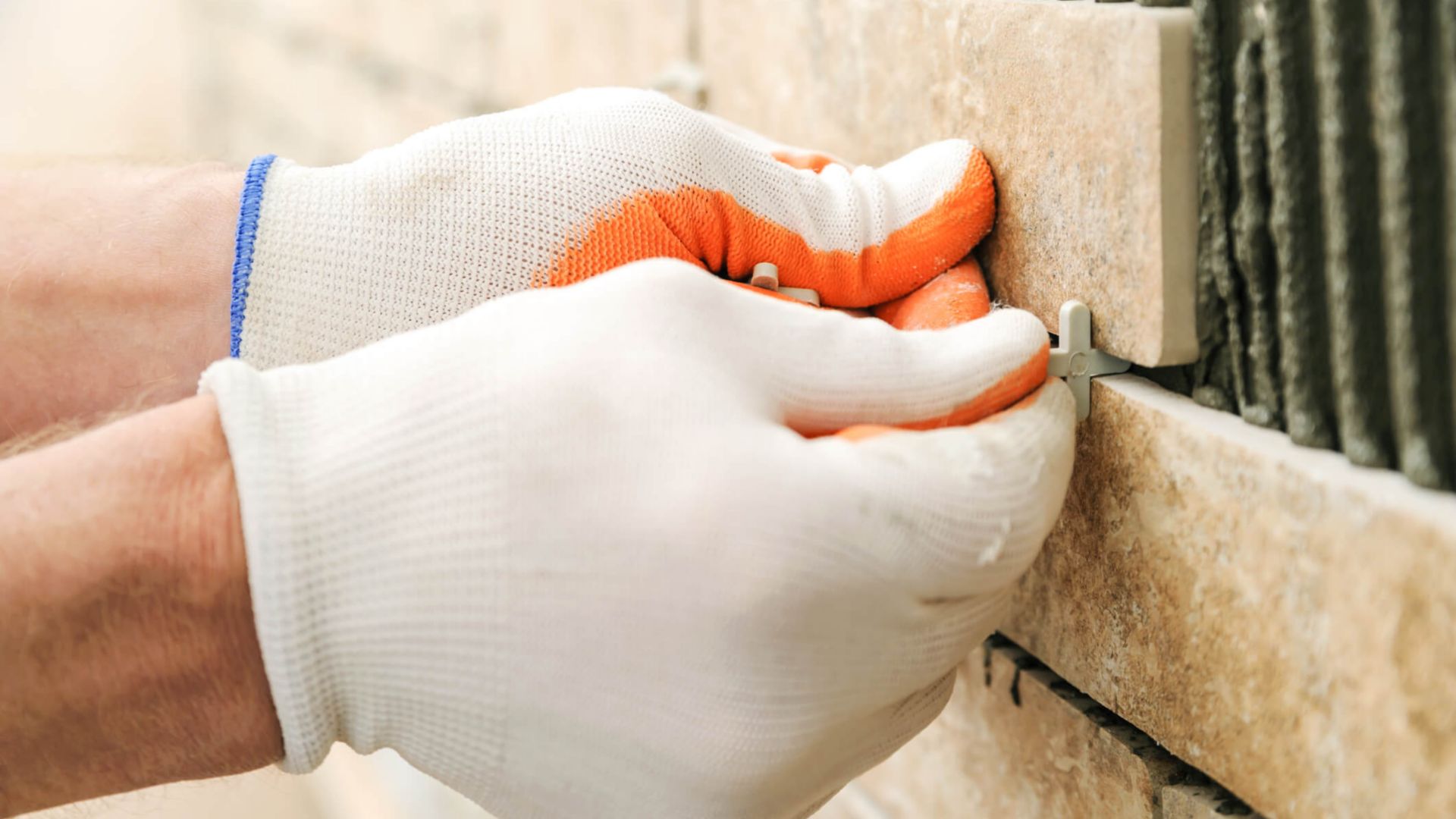
Across the world, industries are recognizing the value of details. Recent reports in architecture and fashion highlight how buyers prefer products with thoughtful acamento over plain alternatives. In the U.S. housing market, polished interiors and detailed finishes now significantly raise property value. Similarly, in fashion, personalized stitching and unique embellishments increase sales.
This rising preference shows that acamento is no longer just an artistic afterthought—it is now a market demand and competitive advantage.
What Will Be the Future of Acamento?
The future of acamento looks promising and transformative:
-
Technology Integration: Smart finishes that resist stains, regulate temperature, or self-heal.
-
Customization Boom: Demand for unique, personalized details in homes, clothing, and furniture.
-
Global Adoption: The concept, though rooted in Portuguese, is gaining worldwide recognition.
Soon, acamento may not just mean the last step—it could define the identity of products and spaces.
Why Does Acamento Matter?
When you look at a polished table, a freshly painted house, or a sleek smartphone, you’re seeing more than just the object—you’re experiencing Acamento. Inspired by the Portuguese word “acabamento” (meaning completion or finishing), acamento is the final step that defines how a product looks, feels, and performs over time. It is not just decoration—it’s protection, enhancement, and craftsmanship rolled into one.
The Three Pillars of Acamento
-
Aesthetic Enhancement
Acamento transforms plain materials into visually striking surfaces. From matte textures on modern walls to glossy coatings on luxury furniture, it sets the tone for design. -
Durability and Protection
Beyond looks, acamento shields surfaces from corrosion, scratches, UV damage, and moisture. It ensures that what looks beautiful also stays strong for years. -
User Experience
A smooth countertop, a comfortable car interior, or a scratch-resistant smartphone screen—these experiences are possible because of finishing excellence. Acamento directly affects how people interact with everyday objects.
Acamento in Key Industries
Architecture and Construction
In buildings, acamento represents the final stage of craftsmanship:
-
Walls & Ceilings: Paint, wallpaper, laminates
-
Floors: Varnished wood, ceramic tiles, sealed concrete
-
Exteriors: Stucco, stone cladding, waterproof paints
This stage determines not just beauty but also the durability of a structure against weather and wear.
Furniture Design
Every chair, table, or cabinet goes through acamento before reaching your home.
-
Common Finishes: Oil, wax, varnish, lacquer
-
Styles: Gloss for elegance, matte for minimalism, distressed for rustic charm
Without it, even the best-crafted furniture would feel incomplete.
Automotive Manufacturing
Cars are judged heavily by their finish quality.
-
Exterior: Multi-layer paints, ceramic coatings for shine and protection
-
Interior: Brushed aluminum trims, carbon fiber overlays, soft-touch plastics
A car’s acamento can influence both buyer choice and resale value.
Consumer Electronics
From smartphones to laptops, acamento defines technology’s appeal.
-
Finishes: Anodized aluminum, matte casings, glass coatings
-
Functions: Scratch resistance, anti-fingerprint, smooth touch
Here, acamento blends aesthetics with functionality like no other industry.
Types of Acamento Finishes
-
Matte Finish – Smooth, non-reflective, subtle elegance.
-
Glossy Finish – Shiny, reflective, used in luxury goods.
-
Brushed Finish – Soft textures on metals, balancing looks and practicality.
-
Textured Finish – Adds grip or distinctive style to plastics, ceramics, and walls.
Material Compatibility with Acamento
-
Wood: Requires sanding, sealing, then finishing (varnish, wax, oil).
-
Metal: Needs priming, sandblasting, or anodizing before coating.
-
Ceramics: Often glazed for durability and shine.
-
Plastics: Treated with UV-resistant or soft-touch coatings.
Is Acamento Evolving Beyond Tradition?

Yes—and this is where the news angle comes in.
Industry Update:
Recent reports highlight that eco-friendly and smart finishes are leading the next generation of acamento. Manufacturers are replacing toxic coatings with water-based varnishes, and adopting self-healing and anti-bacterial finishes in electronics and healthcare. In 2025, industry analysts note a 25% increase in demand for sustainable finishing solutions across the U.S. and Europe.
This proves that acamento is no longer just about beauty—it is becoming a global movement toward sustainability and innovation.
Emerging Trends in Acamento
-
Eco-Friendly Finishes – Low-VOC paints, biodegradable coatings.
-
Smart Acamento Technologies – Anti-fingerprint, anti-bacterial, and heat-resistant coatings.
-
3D Printed Finishes – Customized textures with minimal material waste.
Acamento in DIY and Home Renovation
Even outside industries, homeowners and hobbyists embrace acamento:
-
Walls & Ceilings: Fresh coats of eco-friendly paint.
-
Furniture: Sanding and refinishing cabinets for a new look.
-
Crafts: Adding protective layers to handmade items.
Tips for Success:
-
Always prep the surface (clean and sand).
-
Apply thin, even coats.
-
Choose quality finishing tools.
-
Respect drying and curing times.
Common Mistakes should avoid:
-
Skipping prep work.
-
Using the wrong finish for the material.
-
Rushing through application.
Acamento Is the Language of Care and Perfection
Acamento is not about perfection for perfection’s sake—it is about care, detail, and emotional connection. Whether in architecture, fashion, or art, it reminds us that the final touch is what transforms utility into beauty, and products into experiences. In short: Acamento makes the world stronger, prettier, and happier—one detail at a time.