Introduction
For anyone who loves the call of the trail, solo hiking can be a truly liberating experience. Yet, venturing into the wilderness alone carries unique risks and challenges, often leaving solo travelers longing for a blend of independence and shared adventure. One of the most accessible and rewarding ways to elevate your hiking experience is by joining a group tour, which can offer safety, community, and adventure. If you’re seeking memorable experiences and seamless logistics, options like guided hikes around Moab and Canyonlands are ideal for solo explorers looking to join fellow nature lovers on bucket-list trails.
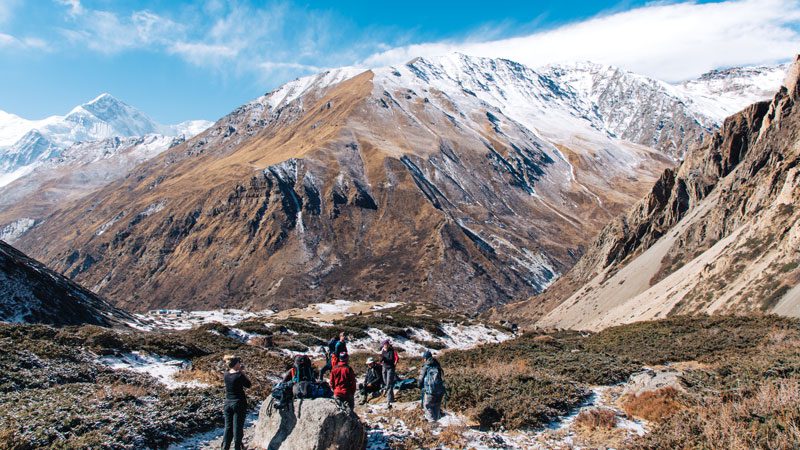
Group hiking adventures can introduce you to breathtaking landscapes and new companions, easing many concerns that solo travelers often face. Immersing yourself in a well-organized group trekking experience ensures peace of mind and transforms your outdoor journey into a richer, more connected adventure from the very first step.
Safety in Numbers
One fundamental advantage of group hiking for solo travelers is safety. Hiking in the company of others significantly reduces personal risk, as you have a network of people who can assist with navigation, first aid, and challenging terrain. Group support makes unpredictable situations—such as sudden weather changes or minor injuries—more manageable. Being part of a group provides practical and emotional reassurance, helping individuals navigate rugged paths more confidently. According to the expert advice from REI, group hikers tend to make decisions that keep everyone safer, whether traversing canyons or tackling mountain passes.
Shared Resources and Responsibilities
Another compelling reason for solo travelers to opt for group hiking tours is the ability to share both physical and mental loads. Packing for the trail can be overwhelming when you try to anticipate every need yourself. Within a group, gear such as cooking equipment, tents, and first-aid supplies can be distributed among members, reducing what each person needs to carry. The division of daily tasks—setting up camp, navigating, or preparing meals—makes the overall experience more enjoyable and less stressful, fostering a genuine spirit of teamwork and cooperation. Discovering ways to share the journey lets you focus more on the joys of exploration and less on logistics.
Social Interaction and Building Connections
The social aspects of group hiking often turn brief trail encounters into enduring friendships. Hiking with others provides time to share stories, encouragement, and laughter, which makes even the toughest inclines more manageable. Many solo adventurers find that group excursions introduce them to a diverse array of people who share their enthusiasm for the outdoors, leading to meaningful connections that extend well beyond the trail. Research highlighted by National Geographic notes that shared outdoor experiences can have significant mental health benefits, enhancing well-being and reducing feelings of isolation.
Expert Guidance and Learning Opportunities
Most quality group hiking trips are led by knowledgeable guides, whose expertise is invaluable to newcomers and seasoned hikers alike. Guides enrich every step of the journey by pointing out unique geological features, wildlife, and flora that might otherwise go unnoticed. Their insight transforms a hike from a simple walk in nature into an immersive educational experience that deepens your understanding of the places you visit. In addition to environmental knowledge, guides often share essential hiking skills, from navigation techniques to Leave No Trace ethics, helping everyone become more competent and confident in the wilderness.
Motivation and Encouragement
It’s no secret that the collective motivation of a group can propel you past your solo limits. The camaraderie built through shared challenges—be it a tough summit push or a long day on the trail—means you have a team cheering you on every step of the way. Positive reinforcement, encouragement, and a spirit of shared achievement help solo travelers step outside their comfort zones, tackling hikes that may seem daunting alone. This support environment often leads to significant personal growth, milestones, and a renewed sense of what you can accomplish.
Convenience and Reduced Planning Stress
For solo hikers, the logistics of trip planning—like securing permits, organizing transportation, or figuring out meal plans—can overshadow the excitement of the adventure itself. Organized group hiking tours often cover all these details, offering expertly crafted itineraries that let you focus on enjoying the journey rather than managing the details. This convenience frees solo travelers from time-consuming preparations, ensuring a smoother, less stressful trip and allowing you to concentrate on exploring new places, meeting new people, and making lasting memories.
Conclusion
Group hiking adventures perfectly fit solo travelers looking to balance independence with connection. By joining guided hikes, solo explorers gain safer journeys, lighter loads, social rewards, professional guidance, and abundant supportive energy. Whether craving new personal challenges, a deeper understanding of the natural world, or the joy of meeting new friends, embracing group hiking can transform simple outings into remarkable adventures.