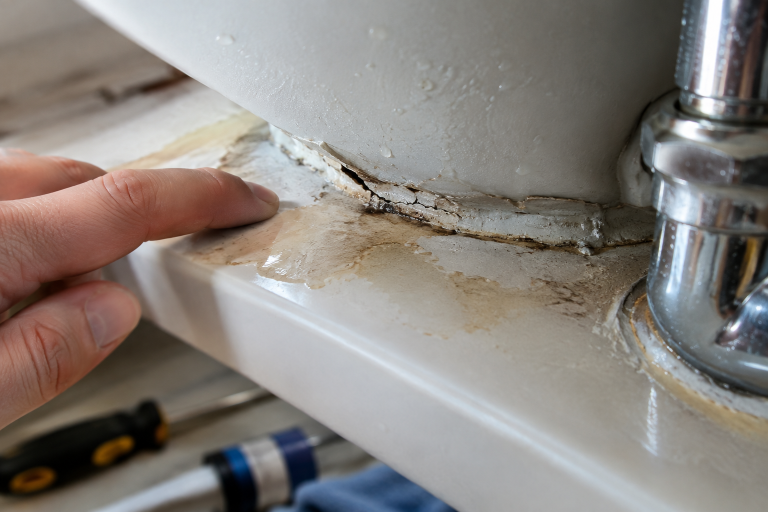
- Prioritize safety problems, active leaks, and major system concerns before cosmetic upgrades.
- Small repairs can make a home feel clean and well-maintained, and easier for buyers to evaluate.
- Paint, lighting, cleaning, and curb appeal often improve presentation without requiring a major remodel.
- Keep records for completed work, inspections, warranties, and recent service visits.
- Match repair spending to the home’s condition, price range, and buyer expectations in Toms River.
Getting a property ready for the market does not mean renovating every room. The practical goal is to remove avoidable concerns, make the home easier to show, and help buyers focus on its strengths rather than a list of visible defects.
Homeowners seeking a local starting point can review house ready to sell Toms River, NJ guidance from Adk Realty & Consulting Services LLC. Its Toms River seller resource discusses preparing a home through decluttering, cleaning, strategic repairs, pricing comparisons, lighting, and presentation. Because the firm works with sellers in Toms River and nearby Ocean County communities, its guidance can help connect a repair list with local market expectations.
Why Repair Priorities Matter Before a Sale
Buyers notice the condition of a home quickly. A water stain, a loose railing, a broken light fixture, or a neglected front entry can lead people to wonder whether more serious maintenance has also been deferred. That does not mean a home must be perfect. It means sellers should address concerns that pose a safety risk, indicate an active problem, complicate an inspection, or make a room appear poorly maintained.
In Toms River, exterior upkeep deserves attention before listing. Seasonal rain, wind, leaves, and changing temperatures can expose weak drainage, worn caulk, loose trim, and roof issues. A focused plan helps prevent last-minute decisions when photography, showings, and moving preparations are already underway.
Start With a Full Home Walkthrough
Before hiring anyone, walk through the home in daylight with a notebook or phone checklist. Look at the property as if you were seeing it for the first time. Take photos of anything that may need an estimate or professional opinion.
- Check walls, ceilings, floors, windows, doors, and trim for damage or wear.
- Look below sinks, around toilets, and near appliances for moisture or stains.
- Test faucets, drains, lights, fans, outlets, and exterior fixtures.
- Review the attic, basement, garage, porch, deck, driveway, and walkways.
- Note missing smoke alarms, loose railings, uneven steps, and damaged handrails.
Repairs to Address First
Water Damage, Leaks, and Drainage
Address active water issues early. Repair dripping faucets, leaking pipes, running toilets, soft flooring, stained drywall, and damaged caulk around tubs or showers. Clear gutters and confirm that downspouts direct water away from the foundation. Musty odors, ceiling stains, or recurring moisture should be evaluated instead of covered with paint, since buyers and inspectors may recognize the signs of an unresolved issue.
Roofing and Exterior Concerns
Look for damaged shingles, loose flashing, sagging gutters, peeling exterior paint, deteriorated trim, and unstable steps or railings. A full roof replacement is not always necessary. A qualified roofing professional may determine that a repair, maintenance visit, or replacement of a limited area is sufficient. The key is to understand the condition before a buyer raises questions.
Electrical, Plumbing, and Mechanical Systems
Exposed wiring, loose outlets, missing covers, nonfunctional alarms, and broken exterior lights should not be ignored. Also address slow drains, low water pressure, noisy heating or cooling equipment, and water heaters that show leaks or corrosion. Use licensed professionals when the repair involves electrical work, fuel-burning equipment, permits, or safety-sensitive systems. Save service records, invoices, and warranties in one folder for easy reference.
Low-Cost Updates That Improve Presentation
Once major concerns are handled, modest improvements can make a meaningful difference in how the home feels. Patch nail holes and small drywall dents, touch up scuffed trim, tighten cabinet pulls, repair sticking doors, replace burned-out bulbs, and refresh worn caulk in kitchens and bathrooms. Deep-clean windows, floors, appliances, fixtures, and high-touch surfaces.
Painting and roof condition are common pre-sale priorities, while expensive renovations may not always recover their full cost. The National Association of REALTORS® notes that sellers are often advised to focus on painting and keeping the roof in good condition before listing. A fresh coat on a heavily marked room or a careful trim touch-up can be more useful than a rushed redesign.
Paint, Lighting, and Room Feel
Repaint when walls are heavily scuffed, colors are unusually bold, or repairs are visible. If the existing color is clean and in good shape, targeted touch-ups may be enough. Neutral shades can help buyers picture their own furnishings, but they are not mandatory. Open curtains, clean the glass, and use working fixtures with balanced lighting. A living room with clean windows, fresh trim, and consistent light can feel inviting without a costly renovation.
Curb Appeal Without a Major Landscaping Bill
The entry sets expectations before anyone reaches the front door. Mow and edge the lawn, trim overgrown shrubs, clear leaves from walkways, and remove clutter from porches and patios. Wash the front steps or driveway where appropriate, replace a worn mat, confirm house numbers are easy to read, and make sure the doorbell, lock, entry light, and door hardware work properly. The objective is neat, safe, and welcoming, not an elaborate landscaping project.
When a Pre-Listing Inspection May Help
A pre-listing inspection can give a seller an earlier view of potential concerns, particularly in an older home or one with deferred maintenance. It can provide time to seek repair bids and decide whether to fix an issue, disclose it, adjust the price, or offer a credit. It does not require a seller to repair every item. Disclosure obligations vary, so sellers should seek qualified local real estate or legal guidance about known property conditions.
Repairs to Question Before Spending Money
- A full kitchen renovation with a short timeline before listing.
- Luxury fixtures that exceed the home’s likely market position.
- Highly personal colors, finishes, or design choices.
- Projects that could delay photography, showings, or the listing date.
- Work that cannot be finished properly by a qualified professional.
Sometimes, disclosure, a buyer credit, an adjusted price, or an as-is approach is more sensible than beginning a large project under pressure. The right choice depends on cost, timing, and the seriousness of the issue.
How to Build a Repair Budget
- List visible and known issues, then separate urgent repairs from cosmetic updates.
- Obtain written estimates for larger work.
- Reserve funds for cleaning, moving, photography, and unexpected items.
- Compare each project with the home’s condition and the nearby buyer expectations.
- Keep receipts and before-and-after notes for completed repairs.
Do now: safety hazards, active leaks, major defects, and problems that may affect inspections or financing. Consider: paint, lighting, worn caulk, visible wear, and entry improvements. Usually skip: costly personal upgrades with uncertain resale value.
Common Questions From Home Sellers
Should every problem be fixed before listing?
No. Start with safety, water intrusion, major systems, and issues likely to affect buyer confidence. Not every cosmetic imperfection warrants a repair budget.
Is a new kitchen always a good investment?
No. A clean, functional kitchen with minor updates may be more appropriate than a full renovation that delays the sale or exceeds neighborhood expectations.
What if a seller cannot afford every repair?
Focus on the highest-risk concerns first. Then compare the cost of remaining work with a possible credit, price adjustment, or as-is strategy.
Conclusion
Preparing a Toms River home for sale in 2026 is about purposeful maintenance, not perfection. Stop active leaks, address safety concerns, check major systems, improve visible wear, and make the home clean and easy to experience. With a clear repair list, realistic budget, and local perspective, sellers can move toward listing with fewer surprises.