
The home fitness revolution has transformed how millions approach exercise, yet beginners often find themselves overwhelmed by the sheer variety of equipment available. Between dumbbells, resistance bands, treadmills, and multi-gym systems, choosing the right investment can feel paralyzing—especially when you’re just starting out and unsure what will actually stick. Among the options gaining serious traction is the home cable workout machine, a piece of equipment that promises gym-quality strength training without requiring a personal trainer to figure out.
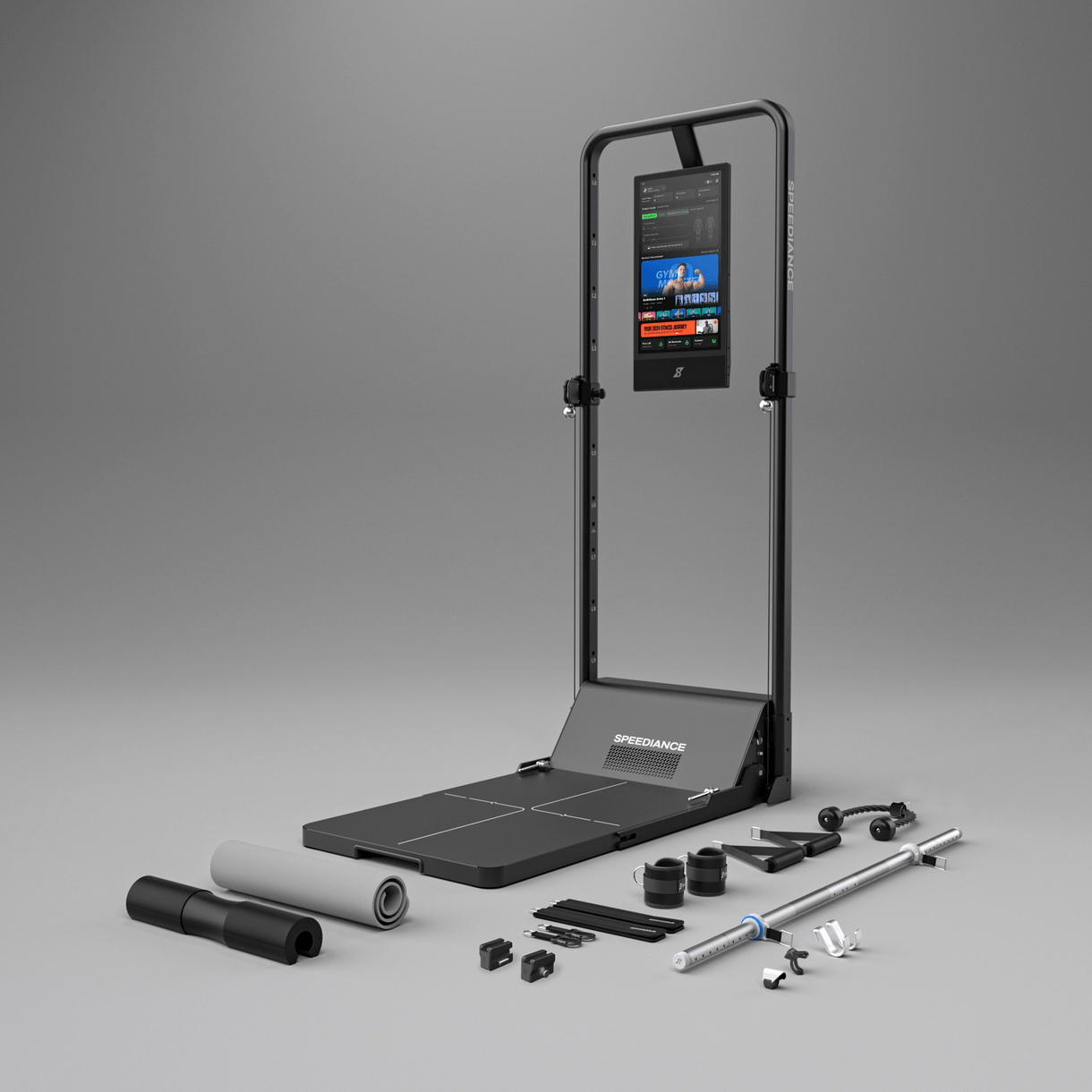
But is a home cable workout machine truly suitable for someone who’s never lifted weights or followed a structured fitness program? This article tackles that question head-on. We’ll explore what these machines are and why their design appeals to newcomers, break down the specific benefits they offer for strength training beginners, identify essential accessories that maximize your investment, and walk you through a practical step-by-step guide for getting started safely and confidently. Whether you’re setting up your first home gym or looking to upgrade from basic equipment, this guide will help you decide if a cable machine deserves a spot in your space.
Understanding Home Cable Workout Machines for Beginners
A home cable workout machine represents one of the most thoughtful intersections of gym-quality engineering and residential practicality. As more people seek effective strength training solutions outside commercial gyms, these machines have emerged as a compelling middle ground—offering far more exercise variety than dumbbells alone while taking up considerably less space than a full multi-station gym. For beginners specifically, the appeal lies in three critical areas: the resistance is adjustable in small increments, the guided cable path reduces the risk of poor form, and the learning curve is remarkably gentle compared to free weights. Understanding what these machines offer and how their design philosophy aligns with a newcomer’s needs is the first step toward making an informed purchase decision.
What is a Home Cable Workout Machine?
A home cable workout machine uses a system of cables, pulleys, and a weight stack or resistance plates to create smooth, constant tension throughout each exercise movement. Unlike traditional gym machines that lock you into a single fixed motion, cable machines allow movement in multiple planes and angles. The cable runs through one or more adjustable pulleys mounted on a vertical frame, letting you pull from high, low, or mid positions. This design makes it fundamentally a strength training tool, but one with extraordinary flexibility—capable of mimicking dozens of exercises that would otherwise require separate pieces of equipment.
Key Features That Make It Beginner-Friendly
The most significant beginner-friendly feature is adjustable resistance. Most home cable machines let you change weight in small increments, sometimes as little as five pounds, which means you can start extremely light and progress gradually without ego pressure. This supports the progressive overload principle that drives muscle growth while minimizing injury risk. The compact footprint of modern designs means you don’t need a dedicated room—many units fit comfortably in a corner or against a garage wall. Controls are typically straightforward: a pin-select weight stack or a simple plate-loading system that requires no technical knowledge. Perhaps most importantly, the cable’s guided path provides inherent stability during movements. Unlike a barbell that can drift in any direction, the cable maintains a predictable resistance trajectory, which helps beginners develop proper movement patterns without worrying about dropping weights or losing balance. Brands like Speediance have further refined this concept by incorporating smart technology and compact designs that make cable-based training even more accessible for home users. This combination of simplicity, safety, and scalability removes much of the intimidation factor that keeps newcomers from starting a consistent strength training routine.
Benefits of a Home Cable Machine for Strength Training Beginners
The transition from sedentary to active is where most fitness journeys stall, and the equipment you choose plays a larger role in that outcome than most people realize. A home cable workout machine offers beginners a unique combination of advantages that directly address the most common reasons people quit: boredom, confusion, and injury. The versatility alone sets it apart—a single machine can replicate movements that would otherwise require a rack of dumbbells, multiple resistance bands, and several isolated machines. For strength training specifically, the constant tension provided by cables recruits more muscle fibers throughout the entire range of motion compared to free weights, where gravity creates dead spots. This means beginners get more effective stimulus per repetition, which translates to faster visible results and stronger motivation to continue. The progressive overload potential is equally important; because you can increase resistance in small, manageable jumps, your body adapts steadily without the sudden jumps in difficulty that often lead to strain or discouragement. A cable machine essentially grows with you, remaining relevant whether you’re doing your first tentative set or training seriously months later.
User-Friendly Design for Newcomers
What makes a home cable machine genuinely accessible isn’t just the mechanics—it’s the overall experience of using it. Most modern units arrive with clear assembly instructions and require only basic tools to set up. Once assembled, the intuitive pin-and-stack or plate-loading system means you spend zero time fumbling with equipment between exercises. The minimal footprint works in apartments, spare bedrooms, or garage corners without demanding a complete room makeover. There’s no need to learn complex barbell techniques or worry about spotters. You simply attach the appropriate handle, select your weight, and move. This low barrier to entry means you’re more likely to actually use the machine consistently—which matters far more than any technical specification when you’re building a new habit from scratch.
Versatility in Strength Training Exercises
A single cable machine opens the door to chest presses, lat pulldowns, bicep curls, tricep extensions, cable squats, woodchops, face pulls, and dozens more movements—all without swapping equipment. You can target your chest in the morning and shift to a core-focused session the next day using the same machine with a different pulley height. This variety prevents the repetitive boredom that drives beginners away from simpler setups, keeping workouts fresh and challenging as your strength and confidence develop week over week.
Essential Home Gym Accessories to Enhance Your Workout
A home cable workout machine delivers tremendous value on its own, but pairing it with a few strategic accessories transforms it from a solid training tool into a complete strength training ecosystem. The right additions don’t just expand your exercise library—they improve comfort, support proper form, and help you target muscle groups from angles the machine alone can’t reach. Three accessories stand out as particularly worthwhile for beginners building their first home gym around a cable machine: an adjustable bench, a tricep rope attachment, and a quality yoga mat. An adjustable bench unlocks seated and supported exercises that would otherwise be impossible, giving you stable positioning for movements like incline chest presses and seated rows. A tricep rope adds a specialized grip option that activates muscles differently than standard handles, particularly for arm and core work. And a yoga mat—often overlooked—provides cushioning for floor-based exercises, stretching, and warm-ups that should bookend every cable session. Together, these three items cost relatively little but dramatically expand what you can accomplish, ensuring your cable machine remains challenging and engaging as your fitness level advances beyond the initial weeks.
How to Use an Adjustable Bench with Your Cable Machine
Position your adjustable bench directly in front of or beside the cable machine’s pulley system, depending on the exercise. For incline chest presses, set the bench to a 30-45 degree angle, position it facing away from a low pulley, grab the handles, and press upward—this targets your upper chest with constant cable tension that dumbbells can’t replicate at the same angles. For seated rows, place the bench flat facing the machine, plant your feet firmly on the ground, and pull the cable attachment toward your midsection while keeping your back straight. The bench provides crucial back support during overhead tricep extensions and creates a stable platform for single-arm work where balance might otherwise limit your effort. Start with the bench at its lowest incline setting and experiment with angles as you grow more comfortable with each movement pattern.
Incorporating Tricep Rope and Yoga Mat for Effective Workouts
The tricep rope attachment clips onto your cable machine’s carabiner and immediately opens up exercises that standard bar handles can’t match. For tricep pushdowns, set the pulley high, grip each end of the rope with a neutral hand position, and extend your arms downward while spreading the rope ends apart at the bottom—this peak contraction engages the lateral tricep head more intensely. The rope also works beautifully for face pulls, which strengthen the rear deltoids and improve posture, and for cable crunches that build core strength when you kneel on your yoga mat below the high pulley. The yoga mat itself serves double duty: it cushions your knees during kneeling exercises and provides a dedicated space for post-workout stretching that promotes recovery and reduces next-day soreness. Keeping the mat rolled out near your cable machine creates a visual cue that encourages you to complete your full routine, warm-up and cooldown included.
Step-by-Step Guide: Getting Started with Your Home Cable Workout Machine
Knowing a cable machine is beginner-friendly and understanding its benefits is one thing—actually starting is another. This section bridges that gap with a practical roadmap that takes you from unboxing to your first real workout. The biggest mistake beginners make isn’t choosing the wrong exercise or the wrong weight; it’s skipping the foundational steps that make everything else sustainable. Proper setup ensures your machine operates safely and feels natural to use. Learning a handful of basic exercises gives you a repeatable routine you can execute confidently without watching tutorial videos every session. And understanding safety principles from day one means you build good habits before bad ones have a chance to form. Think of this as your first two weeks distilled into actionable steps—follow them in order, and you’ll transition from complete novice to someone with a genuine training routine faster than you’d expect.
Setting Up Your Home Cable Workout Machine
Choose a location with at least three feet of clearance on all sides to allow full range of motion during exercises. Assemble the frame on a flat, hard surface—rubber flooring or interlocking gym tiles underneath prevent sliding and protect your floor. Follow the manufacturer’s instructions sequentially, tightening all bolts fully before moving to the next step. Once assembled, test the pulley system by pulling the cable through its full range without weight attached, checking for smooth travel and any friction points. Set the pulley to mid-height, load the lightest available weight, and perform a slow pull to confirm everything operates correctly before your first real session.
Basic Exercises for Beginners in Strength Training
Start with five foundational movements that collectively target your entire body. For lat pulldowns, set the pulley high, grip the bar slightly wider than shoulder width, and pull down to your upper chest while squeezing your shoulder blades together—this builds back strength essential for good posture. Cable bicep curls use a low pulley with a straight bar; keep your elbows pinned to your sides and curl upward with control. For chest, try standing cable presses from a mid-pulley height, pressing both handles forward at chest level. Cable pull-throughs with a rope attachment from a low position teach the hip hinge pattern critical for future deadlift variations. Finally, Pallof presses—holding a cable at chest height and extending your arms straight ahead—develop core stability that protects your spine during every other exercise. Perform three sets of twelve repetitions for each movement, resting sixty seconds between sets, and complete this circuit three times per week during your first month.
Safety Tips and Best Practices for New Users
Always begin each exercise with the lightest weight to rehearse the movement pattern before adding resistance. Inspect cables and carabiner clips weekly for fraying or wear—replacement is inexpensive and prevents sudden failure. Never release a loaded cable abruptly; guide it back to the starting position under control to avoid damaging the pulley system or injuring yourself. Maintain a neutral spine during all standing exercises by engaging your core before initiating each rep. If you feel sharp pain rather than muscular effort, stop immediately and reassess your form or reduce the weight. Building confidence comes from consistent, injury-free sessions—not from pushing too hard too soon.
Building Your Beginner Strength Training Foundation with Cable Machines
A home cable workout machine isn’t just suitable for beginners—it’s arguably one of the smartest first investments a newcomer can make in their fitness journey. The combination of adjustable resistance, guided movement paths, and extraordinary exercise variety addresses the three biggest obstacles beginners face: fear of injury, confusion about what to do, and boredom that leads to abandonment. When paired with a few essential accessories like an adjustable bench, tricep rope, and yoga mat, a single cable machine becomes a comprehensive strength training system that grows alongside your abilities.
The practical steps outlined here—proper setup, foundational exercises targeting your full body, and safety-first habits—give you everything needed to build a sustainable routine from day one. Assess your available space, commit to three sessions per week, and trust the process of gradual progression. Strength training rewards consistency above all else, and a cable machine removes enough friction to make that consistency achievable. Start light, prioritize form over weight, and recognize that every controlled repetition is building a foundation you’ll benefit from for years to come.