Himlung Himal Expedition: Exploring Nepal’s 7,000-Meter Mountaineering Adventure

Nepal is home to some of the world’s most spectacular mountains, attracting mountaineers from across the globe. While Mount Everest receives much of the attention, the country offers several other remarkable climbing opportunities for those seeking high-altitude challenges. Among them, Himlung Himal stands out as an exciting destination for climbers looking to experience the world of 7,000-meter mountaineering.
Standing at 7,126 meters (23,379 feet), Himlung Himal is located in the remote Nar-Phu region of the Annapurna area, close to the Nepal-Tibet border. Its impressive Himalayan landscape, relatively less crowded climbing environment, and challenging high-altitude terrain make it an attractive destination for international mountaineers.
Why Choose Himlung Himal?
Himlung Himal offers a rewarding opportunity for climbers who want to progress beyond trekking peaks and explore higher-altitude mountaineering.
Compared with some of Nepal’s more technically demanding mountains, Himlung Himal is considered a suitable objective for climbers developing their experience at 7,000-meter altitude. However, reaching the summit still requires physical fitness, mountaineering knowledge, proper acclimatization, and the ability to manage challenging mountain conditions.
The mountain provides an excellent environment for learning expedition techniques, including glacier travel, fixed-rope climbing, crampon use, and high-altitude camp management.
The Journey Through the Remote Nar-Phu Valley
An expedition to Himlung Himal is not only about reaching the summit. The approach journey itself is an unforgettable Himalayan experience.
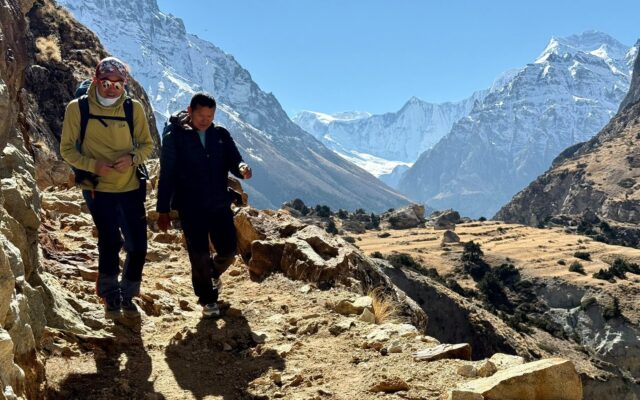
The adventure typically begins in Kathmandu, followed by a road journey toward the Annapurna region. From there, climbers trek through beautiful mountain landscapes, traditional settlements, and remote Himalayan valleys before reaching Himlung Himal Base Camp.
Also read: Beyond the Trails: Why Choosing a Local Sherpa-Led Trekking Company Makes a Difference in Nepal
The Nar-Phu region is particularly special because of its traditional Tibetan-influenced culture, ancient villages, dramatic landscapes, and relatively untouched surroundings.
The gradual trekking approach also provides valuable opportunities for acclimatization before beginning the climbing phase.
Understanding the Himlung Himal Climbing Route
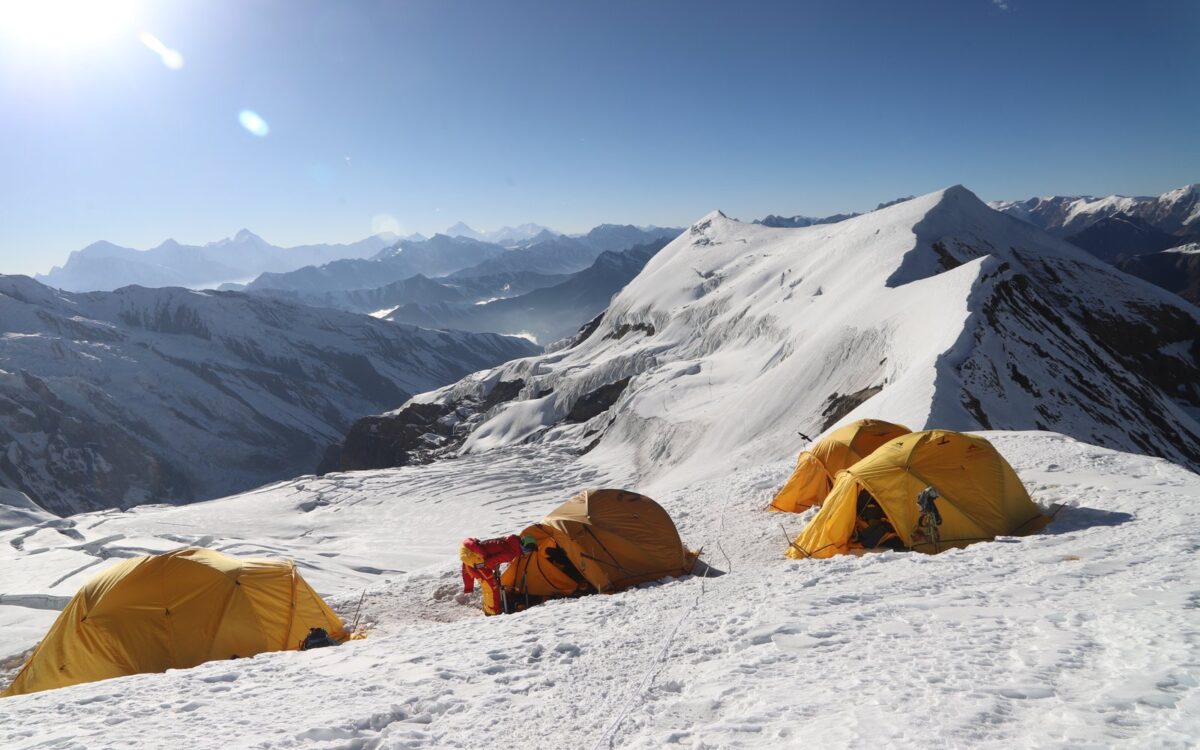
Himlung Himal expeditions generally establish a series of high-altitude camps between Base Camp and the summit.
Base Camp is situated at approximately 4,900 meters. From there, climbers gradually move toward higher camps, carrying out acclimatization rotations and preparing for the final summit attempt.
The climbing route involves glacier travel, snow slopes, fixed ropes, and changing weather conditions. Climbers must be prepared for cold temperatures, strong winds, and the physical demands of spending extended periods at high altitude.
A successful summit attempt depends on suitable weather, good acclimatization, careful planning, and teamwork. Summit success can never be guaranteed, and safety must always come before reaching the top.
Preparation for a 7,000-Meter Expedition
Also read: The Top Himalayan Treks: Annapurna Base Camp, Manaslu Circuit, and Annapurna Circuit
Proper preparation is one of the most important factors in high-altitude mountaineering. Climbers should develop cardiovascular endurance, strength, and stamina through regular hiking, running, cycling, and strength training. Previous experience with crampons, ice axes, fixed ropes, and glacier travel is also valuable.
Appropriate equipment is essential. Climbers generally require high-altitude mountaineering boots, an insulated down suit, a suitable sleeping bag, technical climbing equipment, gloves, protective eyewear, and other expedition essentials.
Acclimatization is equally important. Following a carefully planned climbing schedule, allowing sufficient rest, and recognizing symptoms of altitude sickness can help reduce risks during the expedition.
The Importance of Experienced Sherpa Guides
Professional mountain guides and experienced Sherpa climbing teams play an important role in Himalayan expeditions.
Their responsibilities include supporting climbing activities, assisting with high-altitude camp arrangements, managing equipment, evaluating mountain conditions, and helping coordinate summit attempts.
Experienced expedition leaders also understand the importance of decision-making in unpredictable mountain environments. Their knowledge and practical experience contribute significantly to expedition safety and organization.
Choosing a reputable local expedition operator is therefore an important part of planning a successful Himalayan adventure.
Experience Himlung Himal with Himalaya King
Also read: All Things You Know about Manaslu, Langtang Valley, Mardi Himal, and Annapurna Base Camp:
At Himalaya King Trekking & Expedition Pvt. Ltd., we organize Himalayan mountaineering expeditions with a focus on professional leadership, local expertise, and carefully planned mountain logistics.
Led by experienced mountain professionals, our team provides expedition support, climbing Sherpas, permits, accommodation, transportation, high-altitude logistics, and other essential services.
We offer scheduled Himlung Himal expeditions for 2027, 2028, and 2029, welcoming international climbers interested in exploring this remarkable 7,000-meter Himalayan peak.
For mountaineers seeking a challenging and rewarding experience beyond Nepal’s popular trekking peaks, Himlung Himal offers an opportunity to discover the beauty and demands of high-altitude climbing.
Know more about us: https://www.himalayaking.com/about-us