How General Dentistry Prepares Teeth For Cosmetic Restorations

You may be excited about veneers, bonding, or crowns, then hear your dentist talk about gum health, cavities, old fillings, or bite problems first. That can feel frustrating. You came in wanting a better smile, and now the focus is on things you did not expect. Still, that first phase matters more than most people realize, and an experienced dentist in Concord, NC can help you understand why. Cosmetic work lasts longer, looks better, and feels more natural when the teeth underneath are healthy and stable.
How general dentistry prepares teeth for cosmetic restorations comes down to one idea. Before the visible upgrade happens, your dentist makes sure the foundation can support it. That may mean treating decay, cleaning away buildup, adjusting the bite, replacing weak fillings, or checking whether the enamel is strong enough for the restoration you want. Good cosmetic results are not only about shape and color. They depend on healthy teeth and gums.
General dental care creates the foundation for cosmetic restorations
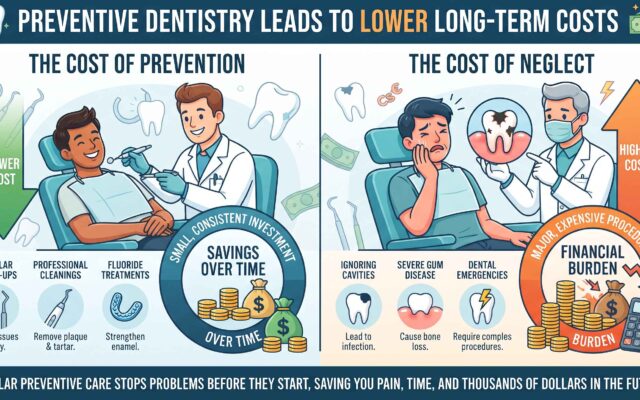
Cosmetic dentistry is often seen as the finishing step, but general dental care comes first because hidden problems do not disappear under a veneer or crown. If a tooth has decay, a crack, or a failing filling, covering it without treatment can lead to pain, infection, or early failure. If your gums are inflamed, even a beautifully shaped restoration may look uneven because the tissue around it is not stable.
This is where a general and cosmetic dentist looks at the whole picture. You might want a brighter, straighter smile, but your dentist is also checking bone support, gum levels, enamel thickness, and how your teeth come together when you bite. A person who grinds their teeth at night may need protection before getting veneers. Someone with gum disease may need periodontal treatment first. Someone with heavy staining might be a better fit for whitening and bonding than for more aggressive treatment.
The process of preparing teeth for cosmetic dental work is not about delaying your results. It is about protecting your time, money, and natural tooth structure.
Common dental issues can limit cosmetic treatment until they are fixed
A small cavity does not stay small for long if it is sealed beneath cosmetic material. The same goes for leaking fillings and hairline fractures. If you have ever had sensitivity when drinking something cold, food catching between teeth, or bleeding when you floss, those signs matter. They often point to issues that need attention before cosmetic treatment starts.
Gum health is one of the biggest factors. Veneers and crowns sit near the gumline, so swollen or receding gums can change the final look. According to the American Dental Association, veneers are thin shells placed on the front of teeth, which means the tooth and surrounding tissue need to be in good condition for a natural result.
Your bite matters too. If one front tooth hits harder than the others, that pressure can chip bonding or crack porcelain. This is why some patients need minor reshaping, a night guard, or orthodontic planning before cosmetic work. It can feel like one more thing on the list, but it prevents the kind of damage that sends people back for repairs much sooner than expected.
There is also the question of how much tooth structure should be changed. Some cosmetic options require very little preparation, while others involve removing a small amount of enamel. MedlinePlus explains the general process for placing dental crowns, including shaping the tooth so the restoration can fit securely. That step only works well when the tooth is healthy enough to support it.
General dentistry supports better cosmetic choices and longer lasting results
People often assume cosmetic treatment is mainly a style decision. It is also a health decision. If your dentist recommends a cleaning, filling replacement, gum treatment, or X rays before cosmetic work, that is part of the plan, not a side issue. These steps help your dentist choose the right treatment and avoid overdoing it.
For example, a tooth with a large old filling may not be ideal for a veneer because there is less strong enamel left to bond to. A crown may offer better support. A mildly chipped tooth with healthy enamel may only need bonding. A person unhappy with color alone may get what they want from whitening instead of a more permanent restoration. The University of Rochester notes that deciding whether veneers are right for you depends on your goals, oral health, and the condition of your teeth.
This is why cosmetic restoration preparation is rarely one size fits all. The best plan is based on what your teeth can safely handle.
Comparing cosmetic restoration options starts with tooth condition
| Situation | General Dentistry Step | Possible Cosmetic Option | Main Reason |
|---|---|---|---|
| Healthy tooth with minor chip or shape issue | Exam and cleaning | Bonding | Preserves natural enamel |
| Stained but structurally sound teeth | Cleaning and cavity check | Whitening | Improves color without covering the tooth |
| Worn front teeth with grinding | Bite evaluation and night guard planning | Veneers or crowns | Reduces risk of chipping or fracture |
| Tooth with large old filling or crack | Decay removal and structural assessment | Crown | Adds strength where bonding may not last |
| Bleeding gums or gum recession | Periodontal treatment | Cosmetic treatment delayed until stable | Creates a healthier gumline and better appearance |
Small steps before treatment can save you from bigger problems later
Schedule a full diagnostic exam. Ask for an evaluation of decay, gum health, old dental work, enamel wear, and bite alignment before choosing any cosmetic procedure. Photos and X rays often reveal issues you cannot see in the mirror.
Fix disease before changing appearance. If you need a cleaning, fillings, or gum treatment, do that first. Cosmetic dentistry placed on unhealthy teeth usually costs more in the long run because repairs come sooner.
Ask which option protects the most natural tooth. If whitening or bonding can meet your goal, that may be a better first step than a crown or veneer. The right treatment is not the most dramatic one. It is the one your teeth can support for years.
When you understand how general dentistry prepares teeth for cosmetic restorations, the process makes a lot more sense. The early steps are not detours. They are what help your final result look right, feel comfortable, and hold up in daily life. If you are thinking about seeing a general and cosmetic dentist, start with a full evaluation and a treatment plan built around the health of your teeth first.