Key Takeaways
- An arrest is an accusation, not a finding of guilt.
- DUI evidence can include driving observations, officer testimony, video, field evaluations, statements, and chemical-test results.
- Evidence may be challenged when the stop, arrest, testing procedure, or handling of evidence is legally defective.
- A DUI matter may involve both a criminal case and a separate driving-license issue.
- Early deadlines, bond conditions, and court notices should never be ignored.
A DUI arrest can create immediate concerns about jail, bond, court dates, driving privileges, and the evidence police may claim supports the charge. Reviewing the facts early with a qualified defense lawyer can be important, and people seeking case-specific guidance may begin by visiting www.mailletcriminallaw.com.
What Happens After a DUI Arrest?
After an arrest, a person may be transported to a jail or detention facility for booking. Booking commonly includes identification information, fingerprints, photographs, property inventory, and paperwork. The person may later be released on bond, kept in custody until a hearing, or given conditions of release, such as appearing in court, avoiding alcohol or drugs, or complying with travel restrictions.
The process varies by county, charge, prior history, and the facts alleged. A first appearance is generally an early hearing at which a judge may address the accusation, set release conditions, and address the right to counsel. It is not a trial, and it does not decide whether the accused person is guilty.
Types of Evidence Prosecutors May Use in a DUI Case
Driving Conduct and the Traffic Stop
The case often starts with an officer observing erratic driving behaviors such as weaving, speeding, or failing to maintain a lane. Allegations may involve running traffic signals or driving without headlights, with prosecution relying on officer testimony, video footage, witness accounts, or crash reports. A critical issue is whether the officer legally justified the vehicle stop, as an unsupported stop may result in suppression of evidence. Officers may document signs of impairment like alcohol odor or slurred speech, which, while circumstantial, are not definitive due to potential influencing factors like medical conditions or anxiety.
Statements Made by the Driver
Statements can become important evidence. A driver might be asked where they were coming from, whether they drank, what they consumed, when they last used a substance, or whether they take medication. Casual comments in a patrol car, at the jail, on a recorded phone call, or on social media can also create evidence.
A person generally has the right to remain silent and request a lawyer when officers seek questioning. Calmly saying, “I choose to remain silent and want to speak with a lawyer,” is different from arguing, resisting, or refusing lawful instructions.
Field Sobriety Evaluations
Police may ask a driver to perform roadside evaluations intended to assess balance, coordination, attention, and the ability to follow instructions. Video of the evaluations, officer testimony, roadway conditions, footwear, weather, physical limitations, and the clarity of directions can all matter when assessing this evidence.
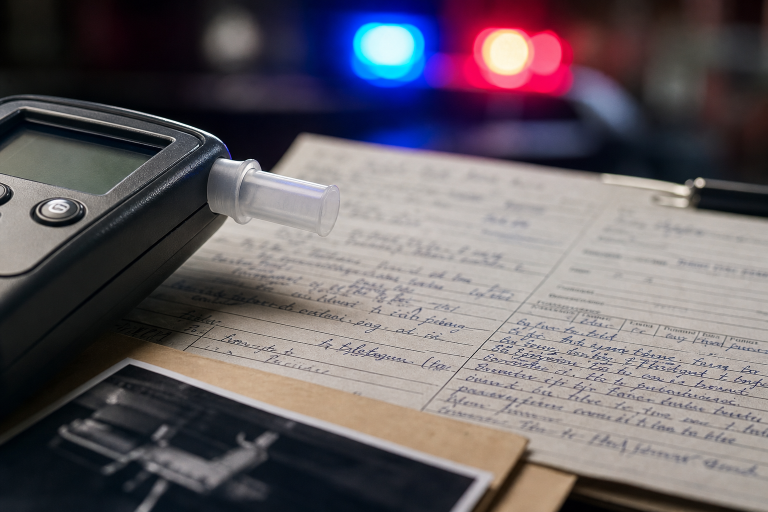
Preliminary roadside breath devices may also be used during an investigation. Georgia distinguishes roadside alcohol screening from evidential breath testing, and the state’s implied-consent program identifies Georgia’s approved breath-testing procedures and equipment used for evidential breath analysis. The specific procedures and equipment can therefore become relevant when chemical-test evidence is reviewed.
Breath, Blood, and Urine Testing
Chemical testing may be among the most heavily contested forms of DUI evidence. Breath-test results can raise questions about the machine, the operator’s permit, periodic inspection records, the testing sequence, and whether the required procedures were followed. Blood or urine testing may raise additional questions about collection, labeling, storage, laboratory analysis, and the chain of custody.
In Georgia, implied-consent issues may affect both chemical testing and driving privileges. The Georgia Bureau of Investigation explains that refusal of a breath test is not admissible at a criminal trial, while other testing and administrative issues can still have separate consequences. Those distinctions make the exact warning given, the requested test, and the driver’s response important facts to preserve.
Other Evidence That May Affect the Case
Depending on the circumstances, prosecutors may also use photographs, 911 calls, surveillance video, vehicle data, receipts, text messages, social-media posts, witness statements, prescription records, or evidence of a collision. An accident does not itself prove impairment, but crash evidence can become part of the overall case.
Evidence that helps the defense should also be preserved. This can include videos showing normal driving or speech, messages establishing a timeline, receipts, medical documentation, photographs of the stop location, witness contact information, and records that explain a physical condition or medication use.
License Issues Can Move Separately From the Criminal Case
A DUI arrest may trigger an administrative license suspension matter in addition to the criminal prosecution. The Georgia Department of Driver Services states that an administrative license suspension can result when a state-administered test indicates a driver was under the influence or when the driver refuses a state-administered test. Administrative license suspension options should be reviewed promptly, as the applicable paperwork and deadlines may differ from the court’s schedule.
Steps to Take After Release
- Read every bond document and comply with all release conditions.
- Write down the arrest date, location, agency, officer names, and court date.
- Keep citations, test paperwork, tow records, property receipts, and release documents.
- Do not delete texts, videos, photos, or social-media content related to the event.
- Do not discuss case facts on recorded jail calls or online.
- Identify witnesses and preserve information before memories or recordings disappear.
- Seek legal advice quickly about court obligations and any license-related deadlines.
Frequently Asked Questions
Does refusing a roadside evaluation end the DUI investigation?
No. Police may still rely on driving behavior, observations, video, statements, witnesses, or chemical-test evidence. Whether a refusal may be used and how it affects the case depends on the particular evaluation and circumstances.
Can a DUI charge be based on evidence other than a BAC result?
Yes. A prosecutor may attempt to prove impairment through driving evidence, officer observations, field evaluations, statements, video, witness testimony, or other circumstantial evidence, even when there is no chemical-test result.
What happens if someone misses court?
Missing court can lead to serious problems, including a bench warrant, bond consequences, or additional restrictions. Anyone who cannot attend should address the issue through counsel or the court as soon as possible.
Conclusion
A DUI case can involve far more than a breath or blood result. The legality of the stop, the officer’s observations, recorded statements, field evaluations, test procedures, and administrative paperwork may all matter. Preserving documents, complying with bond conditions, avoiding unnecessary statements, and seeking timely legal advice can help a person protect important rights as the case proceeds.