Rethinking Security in Modern Shopping Plazas: Beyond Cameras and Guards

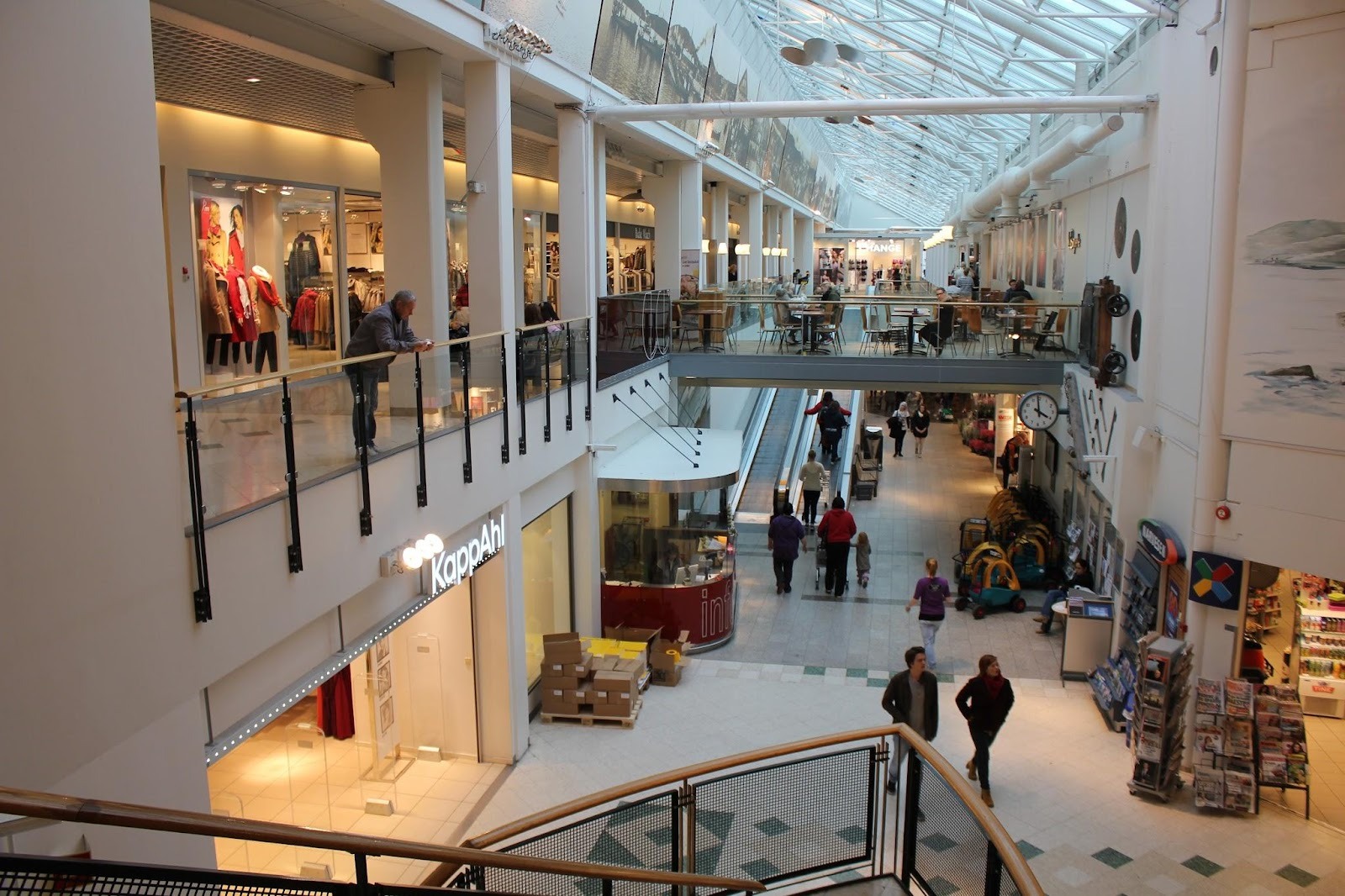
Shopping plazas have evolved into more than just retail hubs. They serve as community gathering spaces, dining destinations, and entertainment centers—all of which bring increased foot traffic and, with it, complex security challenges. Property owners and managers are no longer tasked with preventing theft; they must create environments where visitors feel safe without disrupting the shopping experience.
As expectations grow, so does the need for a more strategic approach to security. Traditional methods still play a role, but today’s most effective systems rely on integration, planning, and adaptability. Understanding what makes a shopping plaza secure requires looking beyond surface-level solutions and examining how different components work together.
The Changing Nature of Risk in Retail Environments
Retail spaces used to focus primarily on shoplifting and occasional vandalism. While these risks persist, modern shopping plazas face broader concerns, including organized retail crime, parking lot incidents, and emergency response coordination. The open-access design that makes plazas appealing also makes them vulnerable.
Increased population density during peak hours can complicate surveillance and response times. Seasonal events, promotional gatherings, and late-night business operations further expand the scope of potential risks. This shifting landscape requires security strategies that are both proactive and flexible.
Why Integrated Security Systems Matter
Combining Technology with Human Oversight
A truly effective security system blends technology with trained personnel. Cameras, access control systems, and alarm monitoring tools provide valuable data, but they are only as effective as the people who interpret and respond to that information. Security teams must be trained not just to observe but to anticipate patterns and respond quickly.
For instance, integrating surveillance systems with real-time monitoring allows teams to identify unusual behavior before it escalates. When paired with on-site personnel, this creates a layered defense that is far more effective than isolated measures.
Centralized Monitoring for Faster Response
Centralized control systems allow security teams to manage multiple areas of a shopping plaza simultaneously. Instead of reacting to incidents after they occur, operators can monitor live feeds, coordinate responses, and communicate with on-ground staff instantly. This reduces delays and ensures a more coordinated approach during emergencies.
Designing Security into the Physical Environment
Security is not just about systems—it begins with design. The layout of a shopping plaza can significantly influence safety outcomes. Clear sightlines, adequate lighting, and strategic placement of entrances and exits all contribute to a secure environment.
Parking areas, for example, are often overlooked despite being one of the most vulnerable zones. Well-lit pathways, visible security patrols, and clearly marked signage can deter potential incidents before they occur. Similarly, thoughtful landscaping can eliminate blind spots without compromising aesthetics.
Specialized Security for Shopping Plazas
Every retail environment has unique requirements, and shopping plazas demand a tailored approach. From managing large crowds to ensuring tenant safety, specialized solutions address the nuances of these spaces. Businesses looking to strengthen their security infrastructure often explore services such as Pioneer Security shopping plaza solutions, which focus specifically on the challenges of multi-tenant retail properties.
These targeted approaches go beyond general security practices by incorporating risk assessments, customized patrol strategies, and advanced monitoring systems designed for high-traffic commercial areas. The result is a more cohesive and responsive security framework.
The Role of Access Control in Open Spaces
Unlike office buildings, shopping plazas cannot restrict entry in the traditional sense. However, access control remains critical for securing areas such as service corridors, storage rooms, and administrative offices. Limiting access to these zones reduces the risk of internal theft and unauthorized entry.
Modern access systems use keycards, biometric verification, or mobile credentials to ensure only authorized personnel can enter restricted areas. This not only improves security but also provides a record of access activity, which can be valuable during investigations.
Enhancing Safety Through Structural Security Features
Physical infrastructure remains a cornerstone of any security strategy. Doors, barriers, and reinforced entry points provide the first line of defense against forced entry and unauthorized access. Choosing the right materials and designs can significantly impact overall safety.
For property managers evaluating their options, understanding the key features to look for when choosing security doors can help ensure that structural components align with broader security goals. Features such as durability, locking mechanisms, and tamper resistance are critical considerations that often determine effectiveness.
Public Health and Safety Considerations
Security in shopping plazas also intersects with public health. Clean, well-maintained environments contribute to a sense of safety and reduce the risk of hygiene-related incidents or overcrowding. In fact, research on environmental health and safety practices, such as those outlined in the Centers for Disease Control and Prevention’s guidelines for public safety environments, shows that physical conditions can directly influence overall safety outcomes.
Maintaining cleanliness, ensuring proper ventilation, and managing waste effectively are all part of a comprehensive security approach. These factors may not seem directly related to crime prevention, but they play a significant role in creating a secure and welcoming atmosphere.
Training and Preparedness for Security Teams
Even the most advanced systems cannot replace well-trained personnel. Security teams must be equipped to handle a wide range of scenarios, from medical emergencies to conflict resolution. Regular training sessions ensure that staff remain prepared and confident in their roles.
Preparedness also involves clear communication protocols. Whether coordinating with local law enforcement or guiding visitors during an emergency, effective communication can make a critical difference in outcomes.
Looking Ahead: The Future of Plaza Security
As technology continues to advance, shopping plaza security will become increasingly data-driven. Artificial intelligence, predictive analytics, and smart sensors are already reshaping how risks are identified and managed. These tools enable security teams to move from reactive responses to proactive strategies.
At the same time, the human element remains essential. Technology can enhance capabilities, but it is the combination of innovation and experience that ultimately creates a secure environment.
Conclusion
Security in modern shopping plazas is no longer a single-layer solution. It requires a thoughtful combination of design, technology, and human expertise. From integrated monitoring systems to specialized services and structural enhancements, each component contributes to creating a safe and welcoming space.
As retail environments continue to evolve, so too must the strategies used to protect them. Property owners who invest in comprehensive, adaptable security measures are better positioned to meet the demands of today’s dynamic public spaces while ensuring the safety of everyone who walks through their doors.