Why Your Scalp Itches: Causes and Treatment Options

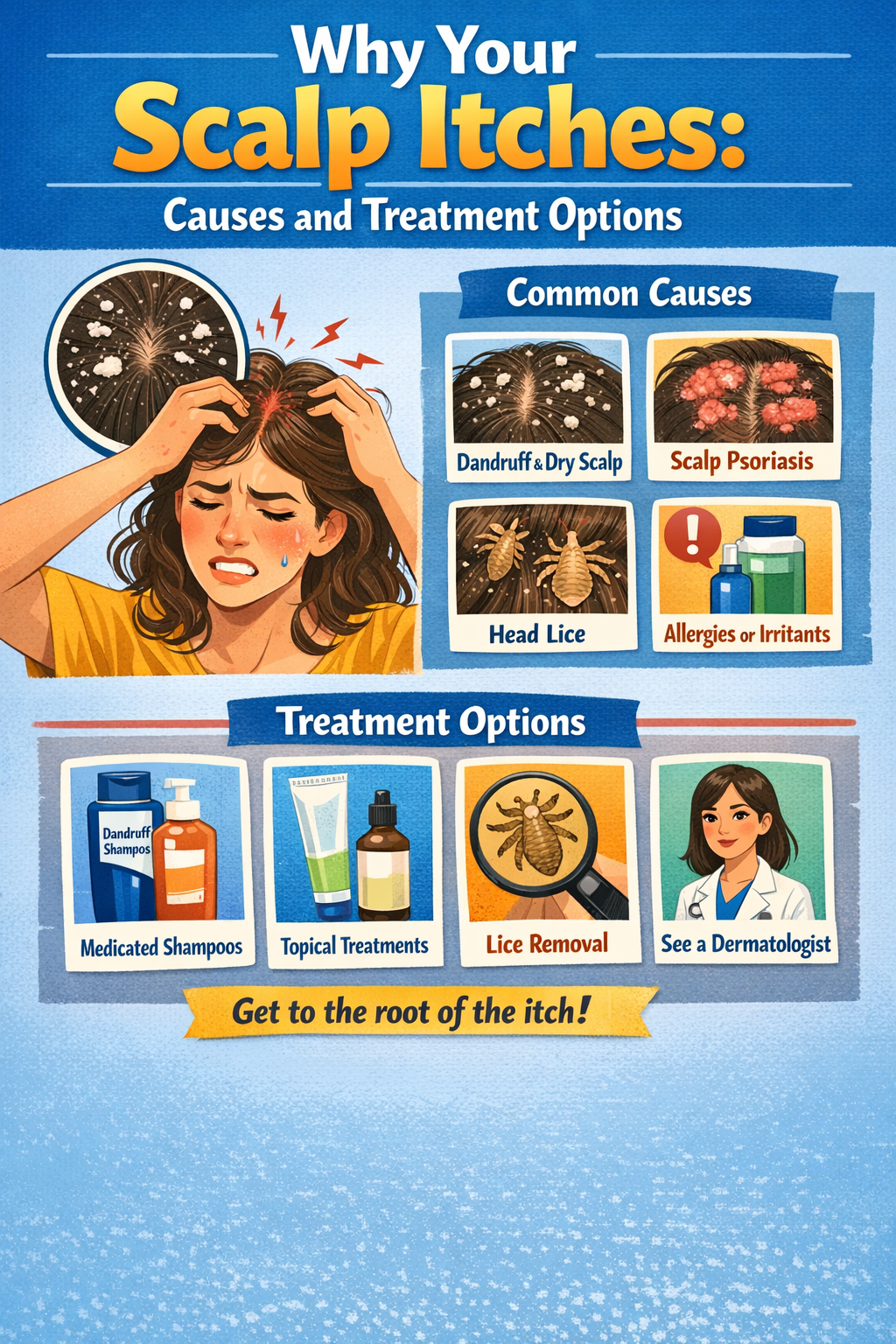
An itchy scalp can be more than just a minor irritation. Persistent itching may signal underlying scalp conditions, lifestyle triggers, or product-related reactions. Identifying the root causes of an itchy scalp is the first step toward effective and long-lasting relief. Below is a structured guide to the most common reasons behind scalp irritation and the treatment options that can help.
1. Dandruff and Seborrheic Dermatitis
One of the most common reasons for scalp itching is dandruff. It is often caused by an overgrowth of a yeast-like fungus called Malassezia, which feeds on scalp oils. This can lead to flaking, redness, and persistent itching. A more severe form, seborrhoeic dermatitis, may cause greasy scales and inflamed patches.
Treatment Options:
Using a medicated anti-dandruff shampoo for an itchy scalp can significantly reduce fungal growth and control flaking. Look for ingredients such as ketoconazole, zinc-based formulas, selenium compounds, or salicylic acid. Regular cleansing and stress management also help prevent recurrence.
Key takeaways
- Caused by fungal overgrowth and excess oil
- Symptoms include flakes, redness, and itching
- Treated with medicated shampoos and regular cleansing
2. Dry Scalp and Environmental Factors
A dry scalp occurs when the skin lacks moisture. Unlike dandruff, dry scalp flakes are usually smaller and less oily. Weather changes, especially during winter, excessive shampooing, and use of harsh hair products can strip natural oils and trigger itching.
Treatment Options:
Switch to a gentle, sulphate-free shampoo and avoid overwashing. Applying lightweight scalp oils or hydrating serums can restore moisture. Staying hydrated and using a humidifier during dry seasons may also help.
Key takeaways
- Caused by a lack of moisture and harsh products
- Produces small, dry flakes without heavy oiliness
- Improved with hydration and mild hair care products
3. Product Buildup and Allergic Reactions
Hair sprays, gels, dry shampoos, and conditioners can accumulate on the scalp, clogging hair follicles and causing irritation. Some individuals may also experience contact dermatitis due to sensitivity to ingredients such as fragrances or hair dyes.
Treatment Options:
Use a clarifying shampoo once a week to remove buildup. If itching begins after trying a new product, discontinue use immediately. For allergic reactions, a dermatologist may recommend medicated topical treatments.
Key takeaways
- Caused by residue or sensitivity to hair products
- May include redness, irritation, or burning
- Managed by eliminating triggers and clarifying the scalp
4. Scalp Psoriasis and Other Skin Conditions
Chronic itching may be linked to inflammatory skin conditions such as scalp psoriasis. This autoimmune condition leads to thick, scaly patches that may extend beyond the hairline. Unlike dandruff, psoriasis scales are often thicker and silvery.
Other conditions, like fungal infections or lice, can also cause intense itching and require targeted treatment.
Treatment Options:
Prescription medicated shampoos, corticosteroid solutions, or antifungal treatments may be necessary. If symptoms persist or worsen, medical consultation is essential.
Key takeaways
- Linked to autoimmune or infectious conditions
- Produces thick, scaly, inflamed patches
- Requires medical diagnosis and targeted treatment
When to See a Doctor
If scalp itching is severe, persistent, and accompanied by hair loss, bleeding, or painful sores, professional evaluation is important. Early diagnosis can prevent complications and provide faster relief.
Final Thoughts
An itchy scalp can result from something as simple as dryness or as complex as a chronic skin condition. Identifying the underlying cause allows you to choose the right treatment and restore scalp comfort. With proper care, consistent hygiene, and timely medical advice when needed, most cases of scalp itching can be effectively managed.
FAQS
1. What are the main causes of an itchy scalp, and which products treat each cause best?
An itchy scalp is commonly caused by dandruff, dryness, product buildup, allergic reactions, or underlying conditions such as psoriasis. Fungal dandruff responds best to medicated anti-dandruff shampoos, while dryness can be managed with hydrating shampoos and nourishing scalp serums. More persistent inflammatory conditions may require prescription treatments recommended by a dermatologist.
2. How does anti-dandruff shampoo help relieve an itchy scalp?
Anti-dandruff shampoo helps relieve an itchy scalp by controlling fungal growth, reducing excess oil, and removing flakes. Active ingredients such as ketoconazole, piroctone olamine, zinc-based compounds, or salicylic acid calm inflammation, cleanse the scalp effectively, and restore balance, thereby minimising irritation and persistent itching