Petdardas Com: Easy Dog Training Tips That Actually Work

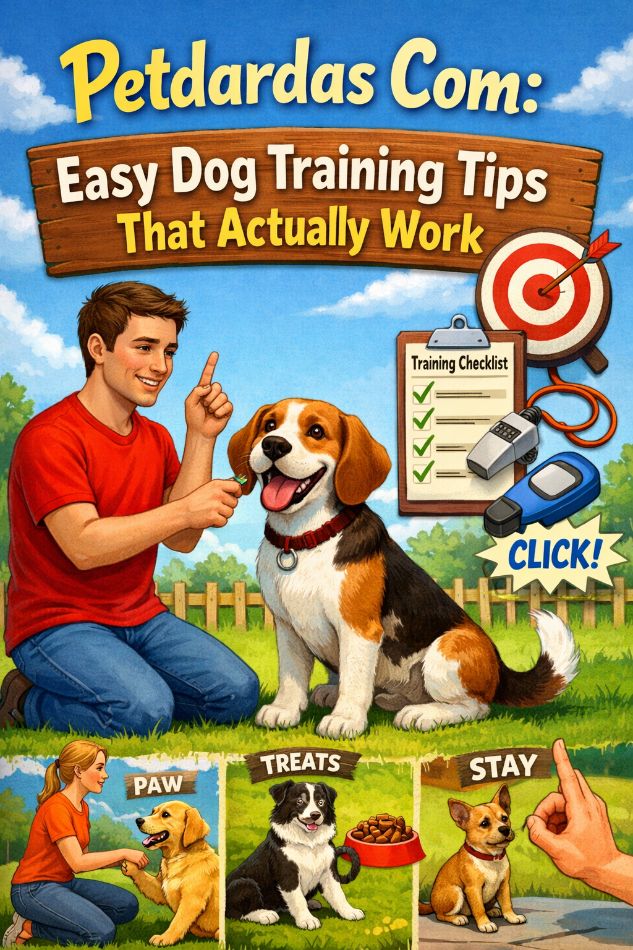
Training your dog can be an exciting yet challenging experience. Whether you’re a first-time dog owner or have had dogs before, you may be looking for ways to improve your dog’s behavior. Fortunately, training your dog doesn’t have to be difficult or time-consuming. With the right techniques, it can be both fun and rewarding. In this article, we’ll share some easy dog training tips that actually work, helping you build a better relationship with your dog and solve common behavior problems.
What is Petdardas Com?
Petdardas Com is an online resource that offers expert advice on dog training, behavior, and care. The website provides practical and easy-to-follow tips for dog owners who want to improve their pets’ behavior and training. Whether you’re dealing with a puppy’s playful nature or an adult dog’s bad habits, Petdardas Com has a variety of training resources to help you address these issues.
Why is Dog Training Important?
Training your dog is not just about teaching them commands like “sit” or “stay.” It’s about creating a bond of trust and understanding between you and your dog. Proper training helps your dog learn the rules of the house and improves their behavior. It can also help prevent behavior problems, such as excessive barking, chewing, or jumping up on people. Most importantly, dog training strengthens the connection between you and your furry companion, leading to a more harmonious relationship.
Easy Dog Training Tips
Here are some simple and effective dog training tips that will help you get started and achieve lasting results:
1. Start Early and Be Consistent
The best time to start training your dog is when they’re a puppy. Early training helps your dog learn good behavior habits from the start. However, it’s never too late to begin training, even if your dog is already an adult.
Consistency is key when training your dog. Dogs thrive on routine, so make sure to practice training exercises daily. Use the same commands for specific actions and be consistent in rewarding good behavior. If you allow your dog to break the rules occasionally, it can confuse them and slow down the training process.
2. Use Positive Reinforcement
Positive reinforcement is one of the most effective training methods. It involves rewarding your dog for good behavior, which motivates them to repeat the action. Rewards can include treats, praise, or playtime, depending on what your dog enjoys most.
For example, when teaching your dog to sit, you can reward them with a treat and praise as soon as they follow the command. Over time, your dog will learn to associate the action with the reward and will be more likely to obey the command in the future.
3. Keep Training Sessions Short and Fun
Dogs have short attention spans, so it’s important to keep training sessions brief. Aim for 5 to 10-minute training sessions a few times a day rather than one long session. This will keep your dog engaged and prevent frustration for both of you.
Make sure to end each session on a positive note, even if your dog hasn’t mastered the command yet. If your dog seems bored or frustrated, take a break and try again later. The goal is to make training enjoyable, not stressful.
4. Socialize Your Dog
Socialization is an important part of training. It helps your dog learn how to behave around other dogs, animals, and people. Start socializing your dog at a young age by introducing them to different environments, sounds, and situations.
Take your dog to the park, on walks, or invite friends and family over to help them become comfortable around strangers and other pets. This will prevent fear-based behaviors, such as aggression or anxiety, as they grow older.
5. Address Behavior Problems Early
If your dog is displaying undesirable behaviors, such as excessive barking, chewing, or jumping on people, it’s important to address these issues early on. Ignoring behavior problems can lead to them becoming ingrained habits, making them harder to correct later.
For example, if your dog is chewing on furniture, redirect their attention to a chew toy and praise them when they chew it. If they’re jumping on people, ask them to sit before greeting others. Addressing these problems early will help prevent them from becoming larger issues down the line.
6. Be Patient and Avoid Punishment
Training takes time, and every dog learns at their own pace. Some dogs may catch on quickly, while others may need more time and practice. It’s important to be patient and avoid punishing your dog for mistakes. Negative reinforcement can harm your relationship with your dog and create confusion.
If your dog makes a mistake, simply redirect their behavior and try again. Always focus on rewarding the positive behaviors, and your dog will gradually learn what is expected of them.
7. Use Clicker Training
Clicker training is a popular and effective method of positive reinforcement. A clicker is a small handheld device that makes a distinct sound when pressed. You use the clicker to mark the exact moment your dog performs a desired behavior, followed by a reward.
For example, if your dog sits on command, you can click the clicker at the moment they sit and immediately give them a treat. The click sound helps your dog understand that they’ve done something right. Over time, they will begin to associate the sound with positive reinforcement and will be more likely to repeat the behavior.
Common Dog Training Challenges
Even with the best training techniques, dog owners can face a few challenges. Here are some common issues and tips for overcoming them:
1. Housebreaking
Housebreaking can be one of the most challenging aspects of training a puppy. The key is consistency. Take your dog outside frequently, especially after meals, naps, or playtime. Praise them for going outside and avoid scolding them for accidents inside. Crate training can also help teach your dog where it’s appropriate to relieve themselves.
2. Barking
Excessive barking can be frustrating, but it’s usually a sign that your dog is trying to communicate something. Determine the cause of the barking, such as boredom, anxiety, or a need for attention. Address the underlying cause and use training to discourage unnecessary barking.
3. Chewing
Chewing is a natural behavior for dogs, but it’s important to teach them what is acceptable to chew on. Provide your dog with appropriate chew toys and praise them when they use them. If they chew on furniture or other items, gently redirect their attention to a toy.
4. Aggression
Aggressive behavior in dogs can stem from fear, territorial instincts, or lack of socialization. It’s important to address aggression as soon as possible. Consult with a professional trainer if necessary to help correct this behavior in a safe and controlled manner.
Conclusion
Training your dog doesn’t have to be a complicated or stressful experience. With patience, consistency, and the right approach, you can teach your dog good behavior that will last a lifetime. Whether you’re a first-time dog owner or have been through the process before, the tips shared in this article from Petdardas Com will help you build a stronger bond with your dog and create a happy, well-behaved pet. Remember, every dog is unique, so be patient, stay consistent, and enjoy the journey of training your furry friend.
FAQs
1. How long does it take to train a dog?
Training times vary depending on your dog’s age, breed, and temperament. Some dogs learn quickly, while others may take more time. Most dogs can master basic commands within a few weeks with consistent training.
2. What’s the best age to start training my dog?
It’s best to start training your dog as early as possible. Puppies can begin basic training as young as 8 weeks old, but older dogs can also be trained successfully with patience and consistency.
3. Should I use a professional dog trainer?
If you’re struggling with certain behaviors or don’t feel confident in your training abilities, a professional dog trainer can provide guidance and help. They can tailor a training plan to your dog’s specific needs.
4. How do I stop my dog from jumping on people?
Teach your dog the “sit” command and use it to keep them calm when greeting people. If your dog jumps, turn your back and ignore them until they settle down. Reward them when they behave calmly.
5. Can I train my dog without using treats?
Yes, you can train your dog using praise, toys, and affection instead of treats. Some dogs are highly motivated by playtime or attention, so find what works best for your dog.