In the evolving landscape of cosmetic science, the search for high-performance natural ingredients has led to the emergence of specialized compounds that offer targeted therapeutic benefits. Two such ingredients, Glabridin and Totarol, represent the pinnacle of plant-derived efficacy. Glabridin, a precious extract from the licorice root, is globally recognized for its superior skin-lightening properties. Totarol, a diterpenoid sourced from the heartwood of the ancient Totara tree native to New Zealand, is celebrated for its remarkable antimicrobial and antioxidant capabilities. Together, these ingredients provide a sophisticated approach to addressing complex skin issues such as hyperpigmentation, acne-prone sensitivity, and environmental aging.
Chemical Profiles and Sourcing
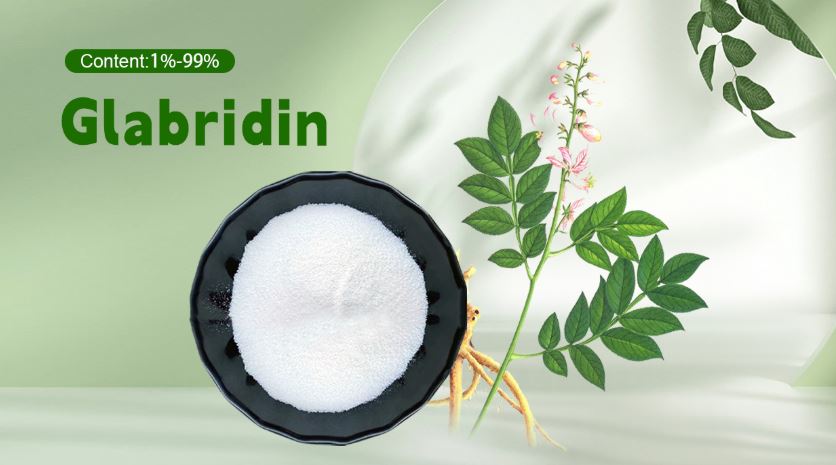
Glabridin 98% powder is a polyphenolic flavonoid found in the roots of Glycyrrhiza glabra. It is highly lipophilic, meaning it dissolves easily in oils, which facilitates its absorption into the skins lipid-rich layers. Due to its low concentration in the raw plant and the intensive purification required to isolate it, Glabridin is often called whitening gold. It is typically utilized in high-end formulations where a natural alternative to aggressive chemical bleaches is desired.
Totarol is a naturally occurring organic compound extracted from the recycled heartwood of Podocarpus totara. The Totara tree is famous for its longevity and resistance to decay, a characteristic attributed to the presence of Totarol. This compound is a potent antioxidant and is three times stronger than Vitamin E in certain lipid peroxidation assays. Like Glabridin, Totarol is oil-soluble and extremely stable, making it an excellent addition to various anhydrous or emulsion-based cosmetic products.
Glabridin: The Mechanism of Luminosity
The primary function of Glabridin in skincare is the inhibition of melanogenesis. It targets the enzyme tyrosinase, which is the key driver in the production of melanin. By inhibiting this enzyme, Glabridin effectively prevents the formation of dark spots and evens out the overall skin tone. Its efficacy is often compared to hydroquinone, but it lacks the associated side effects, making it suitable for long-term use on sensitive skin.
Beyond its brightening role, Glabridin possesses significant anti-inflammatory properties. It helps to soothe the skin after UV exposure, reducing the redness and inflammatory signals that can lead to post-inflammatory hyperpigmentation. This makes it a multifunctional ingredient that protects the skins clarity from multiple angles.
Totarol: The Mechanism of Protection and Purity
Totarol is primarily utilized for its broad-spectrum antibacterial activity. It is particularly effective against Gram-positive bacteria, including Propionibacterium acnes, the bacteria responsible for acne breakouts. Unlike many synthetic antibacterial agents, Totarol is gentle on the skins microbiome and does not cause the dryness or irritation often associated with traditional blemish treatments.
In addition to its antimicrobial benefits, Totarols antioxidant capacity is vital for anti-aging. It prevents the oxidation of skin lipids, which is a major contributor to the breakdown of the skin barrier and the formation of fine lines. By neutralizing free radicals, Totarol helps maintain the structural integrity of the skin, keeping it firm and resilient against urban pollution and oxidative stress.
Formulation Synergy and Product Application
When combined, Glabridin and Totarol offer a dual-action solution for consumers dealing with adult acne and resulting scars. While Totarol works to purify the skin and reduce active breakouts, Glabridin works simultaneously to prevent and fade the dark marks left behind. This synergy is highly valued in the development of premium serums, clarifying lotions, and corrective night creams.
Because both compounds are oil-soluble, they are typically integrated into the oil phase of a formulation at temperatures below 60 degrees Celsius to ensure their bioactivity is preserved. They are compatible with a wide range of other cosmetic ingredients, including hyaluronic acid for hydration and ceramides for barrier repair.
Safety and Consumer Appeal
Both Glabridin and Totarol are favored in clean beauty and green chemistry movements. They are biodegradable, non-toxic, and derived from renewable botanical sources. Their high level of safety and lack of irritation make them ideal for modern consumers who demand both performance and gentleness from their skincare products. Regulatory bodies worldwide recognize them as safe for cosmetic applications within recommended dosage limits.
Established in 2008, Shaanxi Huatai Bio-Fine Chemicals Co., Ltd. is a trusted global manufacturer and supplier of functional skincare ingredients. Holding COSMOS, ISO 9001/22000, and HALAL certifications, we ensure every ingredient meets the highest international standards. Backed by advanced R&D and strict quality control, we deliver science-backed botanical actives that combine innovation with proven efficacy for the global beauty industry. As a leading Glabridin manufacturer, our core portfolio also includes Licochalcone A, Totarol, and Dipotassium Glycyrrhizate, widely recognized for their effectiveness in whitening, anti-inflammatory, and anti-aging formulations. We are dedicated to empowering skincare brands and OEMs with reliable and sustainable actives for next-generation skincare solutions. For more information, please visit our official website: https://glabridinchina.com/
Conclusion
Glabridin and Totarol represent a powerful alliance in botanical skincare. By leveraging the brightening power of the licorice root and the defensive strength of the Totara tree, formulators can create products that not only enhance the skins appearance but also improve its underlying health and resilience. As the industry continues to move toward natural yet scientifically proven ingredients, this combination remains a benchmark for excellence in high-performance cosmetic design.