Introduction
Have you ever faced a situation where logic alone couldn’t guide you, yet pure intuition felt too risky? That’s where Dympigal comes in.
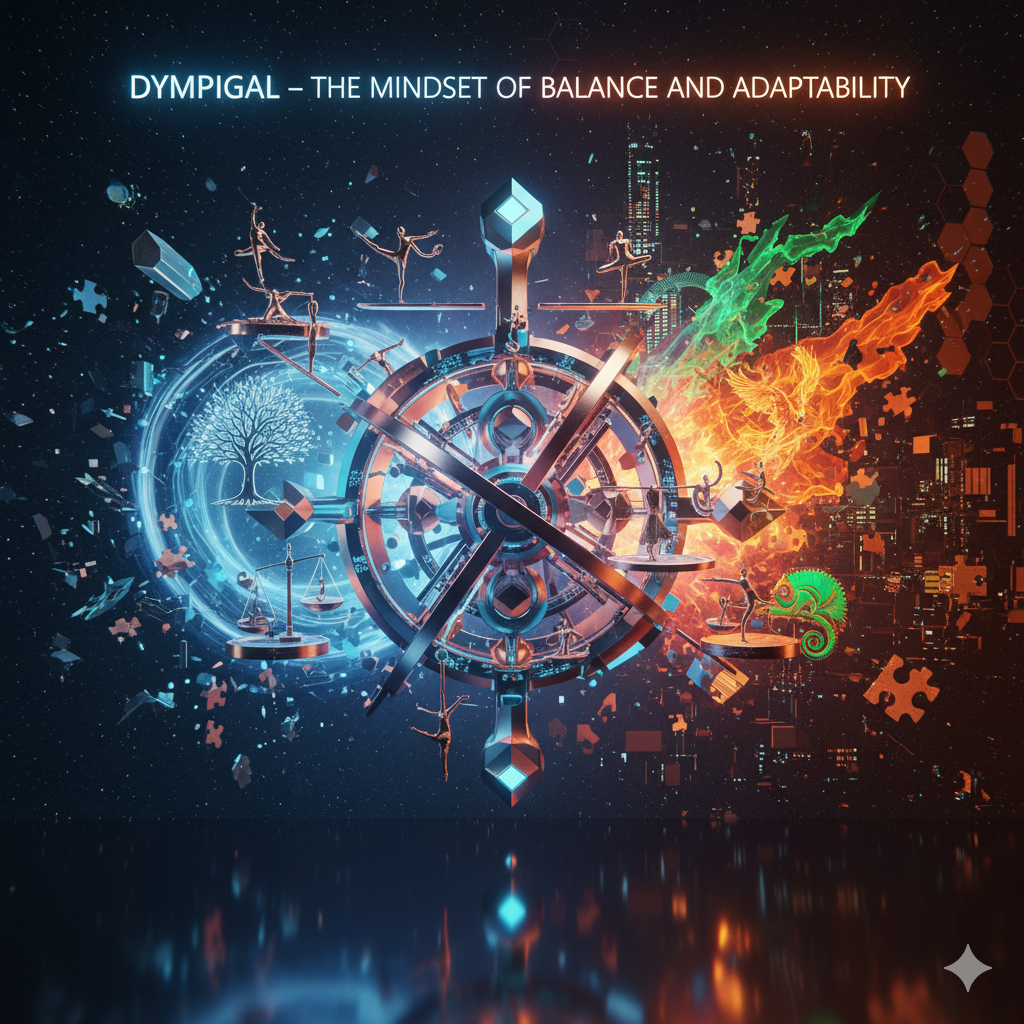
Dympigal isn’t just a buzzword or a self-help trend. It’s a conceptual framework — a way of thinking that blends insight, adaptability, and grounded purpose. It encourages people and organizations to stay flexible without losing their direction.
Think of Dympigal as a mental compass. In a world where everything changes at lightning speed — technology, culture, values — Dympigal helps you stay true to what matters most while evolving with confidence.
It’s about being fluid yet focused, creative yet coherent, and open-minded yet anchored. Sounds simple? Not quite — but once you start practicing it, life and work begin to feel more aligned, intentional, and meaningful.
The Origins of Dympigal
Although the term Dympigal itself is modern, its roots echo ancient wisdom. Throughout history, philosophers, artists, and thinkers have wrestled with the same question: How can we adapt to change while staying true to ourselves?
-
Ancient philosophers emphasized balance between reason and virtue.
-
Eastern traditions taught the art of harmony and mindful awareness.
-
Renaissance innovators blended creativity with discipline.
-
Indigenous cultures worked with cycles of nature, turning constraints into possibilities.
Dympigal takes these timeless ideas and reframes them for the 21st century — where complexity, speed, and uncertainty are our new constants. It’s a bridge between ancient balance and modern agility.
Why Dympigal Matters Today
Let’s be honest — life today is intense. We’re constantly reacting: to emails, to news, to market shifts, to social trends. In this reactive chaos, traditional models of decision-making often fail.
That’s why Dympigal feels so refreshing. It provides a way to stay adaptive without becoming scattered.
Here’s why it matters more than ever:
-
Uncertainty is the new normal.
Dympigal helps you thrive in flux instead of fearing it. -
Innovation needs grounding.
Creativity without structure burns out; Dympigal keeps both in balance. -
Leadership demands empathy.
Dympigal cultivates reflective insight — vital for guiding people, not just processes. -
Personal growth requires alignment.
It ensures that ambition and authenticity grow side by side.
In short, Dympigal isn’t a luxury — it’s becoming a survival skill for modern thinkers and leaders.
Core Principles of the Dympigal Mindset
If Dympigal were a tree, these five principles would be its roots. They anchor the philosophy and make it practical, not just poetic.
1. Reflective Agility
Before reacting, pause. Reflect on what’s happening, then move with purpose. Dympigal invites you to respond, not just react — adapting swiftly but thoughtfully.
2. Anchored Creativity
Innovation is great, but not when it’s random. Dympigal encourages creativity that’s rooted in clear values. It’s about “freedom within form.”
3. Iterative Alignment
Nothing is fixed forever. In Dympigal, you constantly check whether your actions align with your intentions — and adjust accordingly. It’s like regularly tuning your inner compass.
4. Context Sensitivity
No single rule works everywhere. Dympigal teaches awareness of your environment, people, timing, and needs — then adapting intelligently.
5. Coherence and Integrity
At its heart, Dympigal values wholeness. Your words, actions, and values should align. That inner congruence creates trust, clarity, and calm — even in chaos.
Applying Dympigal in Real Life
The beauty of Dympigal is that it’s universal. You can apply it at work, in relationships, or even in your morning routine. Let’s look at some areas where it shines.
1. Leadership and Teamwork
A Dympigal leader listens deeply, adapts swiftly, and acts with integrity. Instead of rigid command structures, they create space for collaboration and innovation.
In teams, Dympigal encourages open dialogue, experimentation, and shared reflection. Conflict becomes a catalyst for growth rather than chaos.
2. Creativity and Innovation
Artists, designers, and entrepreneurs thrive on flexibility — but even creativity needs rhythm. Dympigal provides that rhythm.
It lets you explore boldly while staying true to your purpose. You can experiment freely yet still deliver work that feels coherent and meaningful.
3. Education and Learning
In education, Dympigal shifts focus from memorization to adaptability. Teachers who use this framework empower students to explore, reflect, and connect ideas across disciplines.
The goal isn’t just knowledge — it’s the ability to think critically and act wisely in new situations.
4. Personal Growth and Self-Management
On a personal level, Dympigal can transform how you live.
It encourages you to:
-
Reflect daily on your choices and values
-
Embrace change instead of resisting it
-
Balance structure with spontaneity
-
Learn from mistakes rather than fearing them
Over time, these habits create emotional resilience and a strong sense of purpose.
The Benefits of Practicing Dympigal
When practiced consistently, Dympigal can lead to deep and lasting change. Here’s what most people experience:
-
Greater adaptability — you handle surprises with confidence.
-
Clearer purpose — your decisions feel aligned, not forced.
-
More creativity — you find new solutions effortlessly.
-
Improved relationships — empathy and understanding grow naturally.
-
Inner calm — reflection keeps stress and confusion in check.
In short, you become more balanced, creative, and centered — even when life isn’t.
How to Develop a Dympigal Mindset
You can start small. Here’s a simple path to practicing Dympigal thinking:
-
Daily Reflection:
Spend 5 minutes each evening asking: What went well? What could align better tomorrow? -
Micro Experiments:
Try one small change each week — a new approach at work, a different communication style — and observe results. -
Clarify Values:
Define what truly matters to you. These become your anchors when life gets turbulent. -
Feedback Loops:
Ask trusted peers for honest reflections on your actions and decisions. -
Integration Time:
Periodically connect insights from reflection into concrete habits or strategies.
Small steps compound. Over time, you’ll notice you’re calmer under pressure, clearer in thought, and more adaptive in behavior.
Future of Dympigal: A Framework for the Next Era
As artificial intelligence, automation, and global change reshape our world, Dympigal could become a key mindset of the future.
1- Imagine schools teaching reflective adaptability.
2- Imagine companies making decisions that are both agile and ethical.
3- Imagine leaders guiding with courage and compassion.
That’s the world Dympigal points toward — one where progress and humanity walk hand in hand.
Conclusion
At its essence, Dympigal is a balance — between chaos and order, freedom and structure, change and continuity.
It’s not about having all the answers; it’s about asking better questions, staying curious, and moving forward with purpose.
When you live with Dympigal, you stop seeing change as a threat and start seeing it as an ally. You become not just reactive but responsive, not just innovative but intentional.