Benefits of Visual and Experiential Learning in Early Education

In the early education process, how kids learn is as necessary as what they learn. Traditional classrooms focused mainly on memorization are giving way to dynamic teaching approaches that make learning an active and joyful experience. In recent times, visual and experiential learning have emerged as powerful methods that transform education from passive listening to practical, hands-on learning. These innovative techniques help young learners develop essential skills like creativity, critical thinking, and emotional intelligence from the very beginning.
This post will explore the many benefits of visual and experiential learning and explain why boarding schools in Dehradun provide a superior environment for young students to thrive academically and personally.
What Is Experiential Learning?
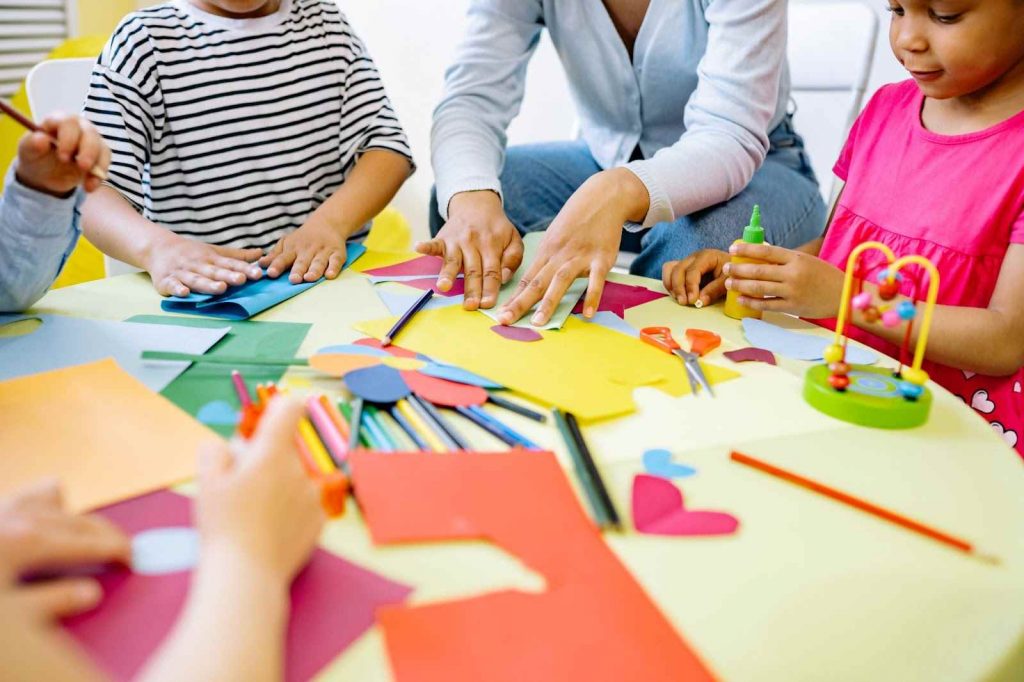
Experiential learning means learning by doing. Instead of simply listening to a teacher or reading from a textbook, children learn by taking part in activities that let them explore and discover things for themselves. This type of learning helps students make strong connections between what they experience and what they are learning in the classroom.
In many boarding schools in Dehradun, experiential learning is used to make lessons more interesting and useful. It allows children to learn through real experiences, which increases their understanding as well as their longevity. This hands-on method makes learning exciting and fun to encourage kids to be curious and engaged.
Key Benefits of Visual and Experiential Learning for Young Students
Here we explore the benefits of visual and experiential learning, highlighting why these methods are essential for developing balanced and future-ready students –
1. Engaging in Careful Planning and Design
The foundation of effective visual and experiential learning starts with thoughtful planning. Teachers carefully design lessons that combine visual materials with hands-on activities to create meaningful experiences. For example, instead of only reading about plants, children might visit a garden where they observe and learn directly. This approach ensures that activities align with clear learning goals and help students connect what they see with what they learn.
2. Fostering Creativity and Imagination
Experiential learning encourages children to explore ideas through storytelling, art, role-play, and model building. This helps them develop creativity by thinking in new ways, imagining possibilities, and expressing their thoughts freely. As a result, children learn to approach problems with flexibility and confidence. Many boarding schools in Dehradun use such strategies to develop creative thinkers who are not scared to explore and express themselves.
3. Development of Critical Thinking Skills
Experiential learning is a powerful catalyst for critical thinking. When children are presented with real-world challenges like solving a puzzle, conducting a science experiment, or navigating a group project—they learn to analyze situations, make decisions, and solve challenges logically. These experiences teach them to approach problems logically, consider multiple perspectives, and develop solutions independently.
4. Building Emotional and Social Skills
Education is not only about studies but also about helping children grow emotionally and socially. When children work on group tasks, they practice teamwork, communication, and reflection. They learn how to share ideas, listen to others, and work together to reach common goals. Boarding schools in Dehradun use these activities to strengthen community bonds, helping children develop emotional strength and social skills that stay with them for life.
5. Catering to Diverse Learning Styles
Each child learns in a unique way. Visual and experiential learning helps meet these needs. Some children learn better with pictures and videos. Others understand more by doing activities with their hands. Some learn best by listening and talking. For example, a science lesson may include watching a demonstration, talking about it, and doing a simple experiment. This approach guarantees that every pupil has the chance to learn in the way that works best for them.
6. Real-World Application
One of the strongest benefits of experiential learning is its focus on real-life situations. When children apply what they learn in practical situations they gain a deeper understanding of how lessons connect to daily life. For example, children learn more about measurements by baking cakes or understand gravity by dropping objects, they see how knowledge applies to everyday life. These real-world examples make learning more relevant and memorable.
7. Deeper Understanding and Application
By actively engaging with the topic, children develop a deeper understanding of subjects. Instead of simply memorizing information, they absorb lessons through direct experience. This deeper understanding makes it easier to apply knowledge in new situations. For instance, a child who builds an electrical circuit will understand electricity much better than one who only reads about it. This hands-on approach builds a strong foundation for future learning and application.
8. Building Confidence and Self-Esteem
Children feel proud when they complete their tasks successfully. As they continue to solve issues and see results, their confidence builds. In many boarding schools in Dehradun, students present their projects through exhibitions and presentations. These opportunities allow them to share their work proudly and speak confidently in front of others. Over time, this helps build strong self-esteem and prepares them to face future challenges with assurance.
Why Boarding Schools in Dehradun Lead the Way?
Boarding schools in Dehradun are known for offering complete and balanced education. They focus on visual and hands-on learning to create active and supportive communities where every child can grow. Their campuses are designed to let students explore. They have modern labs, creative studios, outdoor classrooms and digital learning tools. Skilled teachers guide students through carefully planned activities that spark curiosity and build a true love for learning.
Moreover, the residential environment of boarding schools also teaches students to be independent and responsible. By living and learning with peers, they develop strong social skills that prepare them for real-life challenges. Many parents choose boarding schools in Dehradun for their modern teaching methods, dedicated teachers and proven records of academic success and personal growth.
Conclusion
Visual and hands-on learning are crucial for young learners to succeed in today’s time. Boarding schools in Dehradun and other top schools in the city use these methods to nurture confident, creative, and capable young people
If you want a school that encourages your child’s curiosity, respects their unique talents, and helps them reach their full potential, consider the benefits of experiential learning. Choose a school in Dehradun that puts your child’s growth, happiness, and future success at the heart of everything they do.