When Cosmetic Dentistry Becomes Restorative Dentistry In Disguise

You may have started with a simple goal: comprehensive dental care in Fontana and Whittier. Fix a chipped front tooth. Brighten a smile that feels worn down. Close a gap you have noticed in every photo. Then the conversation gets bigger. The enamel is thin. The bite is off. Old fillings are failing. You grind your teeth at night. What looked like a cosmetic upgrade starts sounding a lot like repair work, and that can feel confusing fast.
This is where many people get stuck. They want to look better, but they also need their teeth to function without pain, cracks, looseness, or constant sensitivity. That overlap is real. When cosmetic dentistry becomes restorative dentistry in disguise, the goal is no longer appearance alone. It is appearance supported by structure, bite balance, and long term tooth survival.
Cosmetic dental work often starts with damage that needs repair
Teeth do not wear down for no reason. A smile makeover may be requested for shape, color, or symmetry, but the underlying issue is often breakage, erosion, clenching, grinding, or old dental work that has reached its limit. A veneer might improve the look of a front tooth, yet if that tooth is cracked or weakened, the real job is restoration. Bonding may hide wear, but if the wear came from heavy grinding, the cosmetic fix will not last unless the bite problem is addressed too.
This is why the line between esthetic and restorative treatment gets blurry. A crown can make a tooth look better, but it is also used to protect a tooth that has lost strength. Replacing missing teeth improves the smile, but it also helps preserve chewing function and reduces shifting. According to the University of Alabama at Birmingham, protecting natural teeth and preventing tooth loss depends on treating the causes of damage early, not only the visible result. You can read more about how to protect your natural teeth and prevent tooth loss.
Hidden bite problems can turn elective treatment into necessary care
You might think you only need whitening or veneers, then a dentist finds flattened edges, tiny fractures, gum recession, or sore jaw muscles. That changes the plan. If you have bruxism, or teeth grinding and clenching, cosmetic work alone can fail early. Porcelain can chip. Bonding can pop off. New edges can wear down again. The smile may look better for a while, but the force that damaged your teeth in the first place is still there.
The same goes for jaw pain and bite strain. If chewing feels uneven, your jaw clicks, or you wake up with headaches, those are not cosmetic complaints. They can point to joint or muscle issues. The National Institute of Dental and Craniofacial Research explains that temporomandibular disorders affect the jaw joints and surrounding muscles, which can shape how dental treatment should be planned. Ignoring that piece can leave you with expensive work that never feels quite right.
This is where restorative dental treatment matters. It looks at whether the teeth can handle the forces placed on them every day. It asks whether the enamel has enough support, whether missing teeth are changing your bite, and whether cosmetic changes will solve the problem or just cover it.
Cosmetic dentistry and restorative dentistry serve different priorities
Cosmetic dentistry focuses on appearance first. Restorative dentistry focuses on health and function first. In real life, many treatments do both. The difference is the reason behind them and the planning that comes before them.
| Concern | Mostly Cosmetic Focus | Restorative Focus |
|---|---|---|
| Tooth color | Whitening for a brighter smile | Stain removal paired with repair if enamel is damaged |
| Chipped front tooth | Bonding to improve appearance | Bonding or crown to rebuild strength and appearance |
| Worn teeth | Veneers to reshape the smile | Full bite evaluation, protection from grinding, then reshaping |
| Missing tooth | Replace gap for looks | Replace gap to restore chewing, prevent shifting, and support the bite |
| Jaw soreness with smile concerns | Surface improvements only | Address joint and bite issues before or during cosmetic changes |
If you are comparing options, ask yourself what you are really trying to fix. If the answer includes pain, weakness, repeated breakage, or trouble chewing, you are likely beyond a purely cosmetic case. That does not mean you cannot have a beautiful result. It means the beauty has to be built on something stable.
General and cosmetic dentist care works best when function leads the plan
A good treatment plan does not force you to choose between health and appearance. It connects them. A cosmetic and restorative dentist may recommend whitening after decay is treated, veneers after grinding is controlled, or crowns where teeth are too damaged for thinner cosmetic options. That sequence matters. It protects your investment and lowers the chance that you will be redoing the same work in a few years.
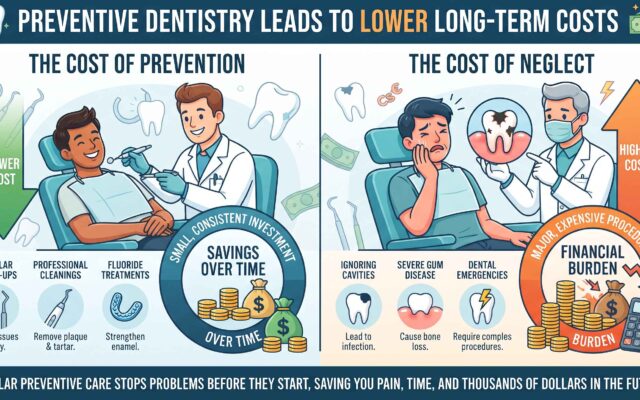
This is also a financial issue. Cosmetic treatment can feel easier to justify when it seems elective and straightforward. Restorative care can bring more steps, more cost, and more time. Still, redoing failed cosmetic work because the root problem was skipped usually costs more. The stronger plan is often the one that feels slower at first.
Three practical steps can help you make a smarter decision
- Ask what problem each treatment is solving. If a veneer, crown, bonding, or implant is being recommended, ask whether the purpose is appearance, protection, function, or all three. You need to know the why, not just the name of the procedure.
- Get clear on bite, wear, and habits. Ask whether you show signs of grinding, clenching, erosion, or jaw strain. If those issues exist, ask how they will be managed before cosmetic work is finished.
- Think in phases, not one appointment. Many strong outcomes happen in stages. Stabilize disease or damage first. Rebuild weak areas next. Refine shape and color after the foundation is sound. That is often how general and cosmetic dentist care delivers results that last.
A better smile should also be a stronger one
If your smile concerns are tied to worn teeth, cracks, missing teeth, or jaw pain, you are not overthinking it. You are noticing the difference between something that looks good and something that is built to hold up. The best dental work often looks cosmetic from the outside and restorative at its core. That is not a disguise. That is good planning.
If you are considering treatment, schedule a consultation and ask for a plan that protects function as carefully as it improves appearance. You deserve both.