6 Questions To Ask Before Combining Implant And Cosmetic Treatment

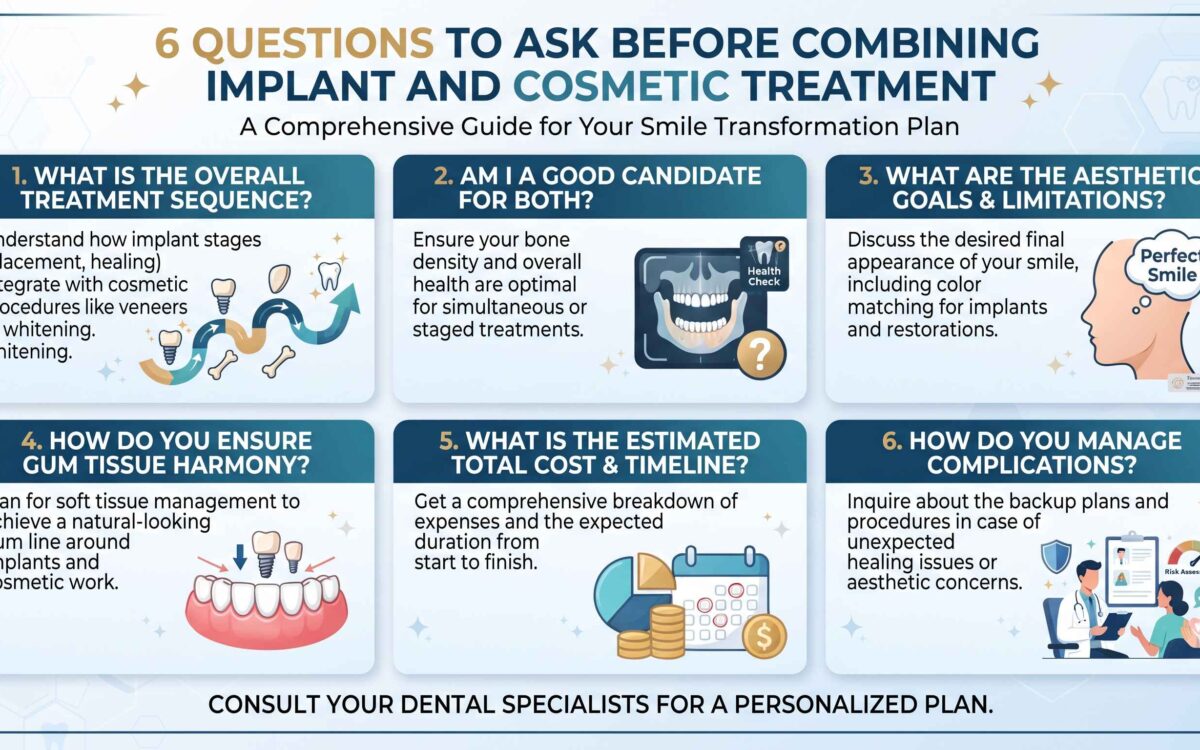
You might be looking at your smile and seeing more than one problem at once. An experienced Berkeley dentist can help when there is a missing tooth, an old crown that no longer matches, stains that whitening will not fully fix, or front teeth that shifted after years of wear. When that happens, combining implant work with cosmetic dentistry can sound like the cleanest answer. It can be. It can also become frustrating and expensive if the order of treatment is wrong.
The core issue is simple. Dental implants replace missing teeth, but cosmetic treatment shapes the look of your whole smile. If those plans are not built together, you can end up with a strong implant that does not match the shade, shape, or bite of the teeth around it. A good plan looks at health first, appearance second, and timing all the way through.
Your treatment sequence affects how your final smile will look
This is the first thing to ask. What needs to happen first, and why?
An implant is not just a visible tooth. It includes the placement of a titanium post in bone, healing time, and then the final crown. Cosmetic work may include whitening, bonding, veneers, contouring, or replacing older restorations. If you whiten after the implant crown is made, the natural teeth may become lighter while the implant crown stays the same color. If you place veneers before the bite is stable, they may need to be adjusted or remade.
A coordinated plan prevents that domino effect. An implant and cosmetic dentist should explain the sequence in plain terms, including what can be done before surgery, what must wait for healing, and what is best saved for the final phase.
Bone, gums, and bite control the cosmetic result
Many people focus on the visible tooth and miss what supports it. That is understandable. You want to know how it will look when you smile, not hear a lecture about bone levels. The problem is that bone and gum shape are often the difference between a result that blends in and one that always looks slightly off.
Ask whether you have enough bone for implant placement and whether your gum line is even. The medical overview in the NCBI resource on dental implants explains how implant success depends on proper planning, healthy tissues, and the right restorative approach. If grafting or gum treatment is needed, that should be part of the cosmetic conversation from the start, not added later as a surprise.
Your bite matters too. If you grind your teeth or hit harder on one side, an implant crown or cosmetic veneers may chip, loosen, or wear unevenly. That is not a minor detail. It changes the whole treatment plan.
Shade matching is harder with implants than many people expect
An implant crown does not respond to whitening. Natural teeth do. That creates a very practical question. Should whitening happen before the final crown or veneers are designed?
The answer is often yes. The ADA guidance on whitening notes that whitening affects natural tooth color, which is why timing matters when you are matching restorations. If you want a brighter smile overall, that goal should be set early. Otherwise, your final implant crown may match the old shade instead of the smile you actually want.
This is where people feel caught off guard. They thought they were buying one treatment plan, then learn that color, material, and sequencing all affect cost. That does not mean the plan is wrong. It means you need the full picture before you start.
Long term maintenance matters as much as the initial makeover
A cosmetic implant case should not be sold as a finish line. It is a long term commitment. Ask how you will clean around the implant, how often the bite should be checked, and what parts may need maintenance over time. Implant crowns can last many years, but they still need monitoring. Cosmetic bonding can stain. Veneers can chip. Night guards may be needed if you clench.
The American Dental Association also outlines standards for appropriate diagnosis, informed consent, and treatment planning in its current ADA policies. You deserve a plan that covers not only how your smile will look on delivery day, but how it will hold up in real life.
Comparing implant and cosmetic treatment choices side by side
| Issue | Implant Focus Only | Combined Implant and Cosmetic Plan |
| Missing tooth replacement | Replaces function and fills the space | Replaces function and matches shape, shade, and smile line |
| Tooth color planning | May match current tooth shade only | Can whiten natural teeth first, then match final restorations |
| Gum symmetry | May be treated only if needed for implant stability | Considered part of the visible outcome |
| Bite adjustment | Focused on implant protection | Focused on implant protection and cosmetic longevity |
| Cost predictability | Lower upfront scope, higher chance of later add ons | Broader plan from the start, fewer cosmetic surprises later |
| Final appearance | Can look acceptable but separate from the rest of the smile | Built to blend with the full smile |
The right questions protect your time, budget, and expectations
The six questions below usually reveal whether the plan is truly integrated or just pieced together.
- What is the exact treatment order, from consultation to final restoration?
- Do I need bone grafting, gum contouring, or bite adjustment before cosmetic work?
- Should whitening happen before the final implant crown or other restorations are made?
- Which cosmetic options will blend best with an implant crown, bonding, veneers, or contouring?
- What maintenance will I need in the first year and long term?
- If something changes during healing, how could that affect appearance and cost?
Three steps you can take before saying yes
Ask for a written sequence. You need more than a verbal overview. Ask for each phase, the expected healing time, and when the final cosmetic decisions will be locked in.
Ask to see shade and material planning. If your goal includes whitening or veneers, ask how the implant crown will be matched. This is one of the most overlooked parts of combining dental implants with cosmetic dentistry.
Ask what happens if healing changes the plan. Sometimes gum shape, bone response, or bite changes require adjustments. A clear answer now helps you avoid stress later.
A smile plan can be both functional and beautiful, but only when the pieces are designed together. If you are considering implant cosmetic treatment or a broader cosmetic upgrade around a missing tooth, slow the process down enough to ask the right questions. That pause often saves money, protects your results, and gives you more confidence in the choice you make.