If you’ve ever found yourself kicking off your shoes under your desk by midday, you’re not alone. Countless working professionals face the daily dilemma of choosing between footwear that looks polished and shoes that actually feel good during eight-plus hours on their feet. Heels can be punishing, flats often lack support, and sneakers rarely pass the dress code test. Enter the work loafer—a shoe that bridges the gap between comfort, sophistication, and everyday practicality. Modern women’s loafers have evolved far beyond their preppy origins, offering sleek silhouettes that hold their own in boardrooms, client meetings, and after-work dinners alike. The real power of a great loafer lies in its versatility: the right pair transitions seamlessly from professional settings to casual weekend outings without missing a beat. In this guide, we’ll walk through the essential features to look for, how to style loafers across different occasions, a step-by-step selection process, and the latest trends shaping women’s professional footwear. By the end, you’ll have everything you need to choose work loafers that truly work for your life.
Why Versatile Work Loafers Are Essential for Modern Professionals
Women’s work loafers have undergone a remarkable transformation over the past decade. Once considered strictly casual or reserved for preppy weekend looks, loafers have earned a permanent place in professional wardrobes thanks to refined designs, elevated materials, and a cultural shift toward practical elegance in the workplace. Today’s working professionals demand footwear that keeps pace with their multifaceted lives—commuting, presenting, networking, and everything in between—without sacrificing appearance or comfort. Traditional office shoes like pumps and stilettos, while undeniably polished, often come at the cost of aching feet and limited wearability outside formal settings. Loafers solve this tension by offering a structured, put-together silhouette with the ease of a slip-on shoe. They complement a wide range of women’s footwear collections because they pair naturally with both tailored and relaxed outfits. Whether you work in a corporate office with a strict dress code or a creative studio with more flexibility, the right loafers signal competence and intention without trying too hard. Understanding why these shoes have become indispensable is the first step toward building a smarter, more functional professional wardrobe—one where every piece, starting from the ground up, earns its place.
Key Features to Prioritize for All-Day Comfort and Support
A loafer that looks great on the shelf but leaves you wincing by lunchtime isn’t worth the investment. When you’re on your feet for long office hours—walking between meetings, standing during presentations, or navigating a sprawling campus—the construction details matter just as much as the aesthetic. Before you fall for a beautiful pair, train yourself to evaluate what’s happening beneath the surface. The best work loafers combine thoughtful engineering with clean design, so comfort never comes at the expense of style.
Material Matters: Leather, Knit, and Beyond
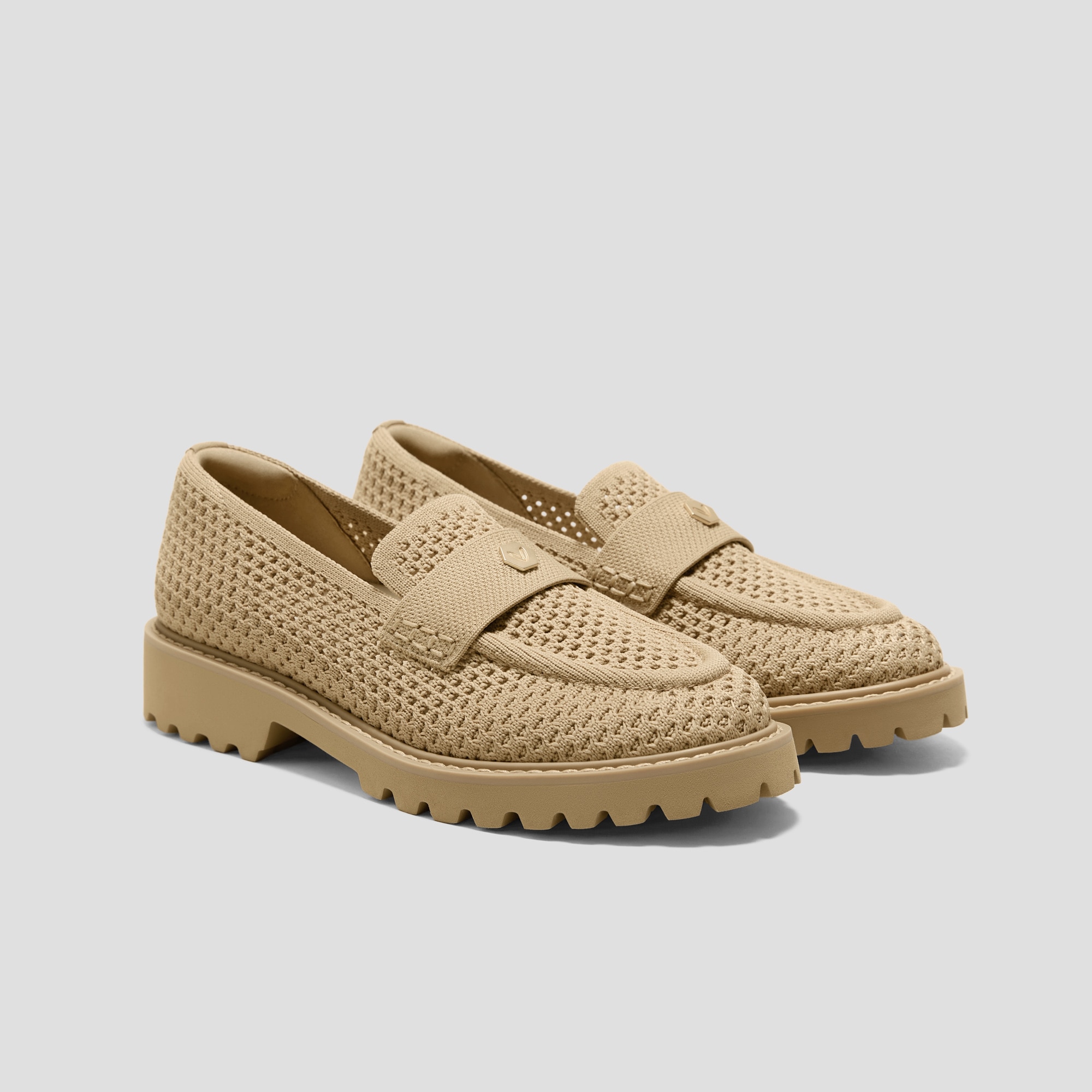
The material of your loafers directly affects durability, breathability, and how the shoe ages over time. Full-grain leather remains the gold standard for professional settings because it molds to your foot with wear, resists scuffing, and polishes beautifully for years. If your workplace leans slightly less formal, knit loafers offer remarkable flexibility and lightweight breathability that feels almost sock-like—ideal for warmer months or days packed with movement. Brands like VIVAIA have gained attention for their knit loafer designs that blend comfort-forward construction with polished aesthetics suited for the office. Suede strikes a middle ground, delivering a softer texture with a refined appearance, though it requires more careful maintenance around water and stains. Some newer options blend synthetic uppers with natural linings, giving you weather resistance on the outside and moisture-wicking comfort against your skin. When evaluating materials, consider your climate, commute, and how much upkeep you’re willing to commit to. A leather loafer suits rain-prone cities and high-visibility roles, while a knit option might be the smarter pick for casual offices or travel-heavy schedules.
Design Elements for Enhanced Comfort
Beyond materials, specific design features separate a mediocre loafer from one you’ll reach for every morning. Padded insoles with memory foam or latex cushioning absorb impact throughout the day, reducing fatigue in your heels and the balls of your feet. Arch support is non-negotiable if you stand or walk frequently; look for a contoured footbed rather than a flat interior. A slight heel—typically between half an inch and one inch—promotes better posture and takes pressure off your Achilles tendon without the instability of a higher heel. Ergonomic fits that account for the natural width of the forefoot prevent pinching and blisters, especially during break-in periods. Rubber or textured outsoles provide traction on office floors and wet sidewalks alike, a practical detail that’s easy to overlook. Finally, a reinforced heel counter keeps the shoe’s shape intact and prevents your foot from sliding, which is essential for a slip-on style that lacks laces or straps to hold everything in place.
Mastering Versatility: Styling Loafers for Work and Casual Occasions
The true test of a versatile loafer isn’t just how it performs in the office—it’s whether you can walk straight from a team meeting to a dinner reservation without feeling over- or underdressed. The best stylish loafers act as a neutral foundation that adapts to whatever you build around them, making them one of the hardest-working pieces in any wardrobe. Mastering this adaptability comes down to understanding which pairings elevate the shoe for professional contexts and which combinations let it relax into off-duty territory.
Office-Appropriate Ensembles
In a corporate or business-casual environment, loafers anchor an outfit with quiet authority. Pair a black or burgundy leather loafer with tailored ankle-length trousers and a structured blazer for a look that reads as intentional and sharp. For days when you reach for a midi skirt or sheath dress, a pointed-toe loafer in a complementary neutral keeps the silhouette streamlined without competing with the rest of your outfit. Monochromatic styling—matching your loafer tone to your trousers—creates an elongating effect that rivals what heels accomplish. If your office permits slightly creative dressing, try a loafer with subtle hardware, like a gold snaffle bit, alongside a silk blouse and high-waisted wide-leg pants. The key is treating the loafer as a deliberate style choice rather than a fallback, which means keeping the rest of your ensemble polished and well-fitted.

Effortless Transition to Casual Settings
Off the clock, versatile loafers pair beautifully with relaxed pieces that would feel too informal with heels. Slip them on with straight-leg jeans, a tucked-in tee, and a crossbody bag for weekend errands that still look pulled together. A knit loafer in a warm tan or cream shade works especially well with flowy midi dresses and denim jackets during transitional seasons. For after-work happy hours, swap your blazer for a leather jacket over the same office trousers, and suddenly your loafers read as effortlessly cool rather than strictly professional. The slip-on design also makes loafers ideal travel companions—easy to remove at security, comfortable for long terminal walks, and presentable enough for a client dinner upon landing. When you choose a pair in a classic color like black, navy, or cognac, you unlock dozens of outfit combinations across both halves of your life without packing extra shoes.
Step-by-Step Guide to Selecting Your Ideal Work Loafers
Knowing what makes a great loafer is one thing—actually finding the right pair amid endless options is another challenge entirely. A systematic approach saves you from impulse buys that end up collecting dust and ensures the pair you commit to genuinely fits your professional life. Think of this as a personal fitting process that accounts for your workplace culture, daily demands, physical comfort, and long-term value. Walking through these steps before you shop narrows the field dramatically and builds confidence in your final decision.
Step 1: Define Your Professional Needs and Preferences
Start by taking an honest inventory of your work environment and daily routine. Write down your workplace dress code—is it strictly corporate, business casual, or creative-leaning? This determines whether you need a sleek leather loafer with minimal detailing or whether you have room for knit loafers or textured finishes. Next, think about color. If you’re buying your first pair of work loafers, a neutral shade like black, dark brown, or navy offers the broadest styling range across your existing wardrobe. Consider how much walking your typical day involves: commuting by public transit, moving between buildings, or standing during presentations all demand different levels of cushioning and sole durability. Also factor in how often you transition directly from work to social events, since this affects whether you prioritize a dressier silhouette or something with casual crossover appeal. Jotting down these specifics creates a clear checklist you can reference while shopping, preventing you from being swayed by a gorgeous shoe that doesn’t actually serve your real needs.
Step 2: Evaluate Fit, Quality, and Budget
With your requirements defined, shift focus to the physical shoe itself. Always try loafers on later in the day when your feet are slightly swollen, as this mimics how they’ll feel during afternoon hours at the office. Walk around the store for several minutes—pay attention to whether the heel slips, the toe box pinches, or the arch support aligns with your foot’s natural curve. Inspect construction quality by pressing the insole to check for responsive cushioning, flexing the sole to ensure it bends where your foot naturally flexes, and examining stitching for consistency. Leather should feel supple rather than stiff or plasticky, and linings should be smooth against your skin. On budget, think in terms of cost per wear rather than sticker price alone. A well-constructed loafer you wear four days a week for two years delivers far more value than a cheaper alternative that breaks down in six months. Set a realistic spending range before you browse, and weigh durability and resoling potential as part of that calculation. Finally, check the return policy—even the most careful in-store evaluation can’t replicate a full workday, so the option to exchange after wearing them at home provides essential peace of mind.
Incorporating Current Trends: Stylish Loafers for a Contemporary Look
The loafer landscape is evolving rapidly, and staying aware of current trends helps you invest in pairs that feel fresh without veering into territory that won’t age well. One of the most prominent shifts in loafers trends is the embrace of rich, unexpected colors—deep emerald, warm burgundy, and even soft pastels are appearing alongside traditional neutrals, giving professionals a way to inject personality into otherwise understated outfits. Chunky lug soles have moved from streetwear into office-appropriate designs, adding a modern edge and extra cushioning that benefits anyone on their feet all day. Platform loafers offer subtle height without the discomfort of traditional heels, making them a popular choice for women who want presence in a meeting room. On the opposite end, minimalist loafers with clean lines and zero ornamentation reflect a growing appetite for quiet luxury—shoes that communicate quality through craftsmanship rather than logos. Sustainability is also reshaping the market, with more brands offering stylish loafers made from recycled materials, vegetable-tanned leather, and eco-conscious packaging. The trick to balancing trendiness with professionalism is choosing one statement element per pair—a bold sole or an unexpected hue—while keeping the overall shape classic. This way, your loafers feel current during their first season and remain wearable for years afterward, protecting both your style credibility and your investment.