
Every educator knows the struggle: you want a classroom that feels welcoming, stimulates young minds, and holds up against the relentless energy of children — all while staying easy to manage. Bare floors feel cold and uninviting, while the wrong floor covering becomes a maintenance nightmare within weeks. It’s a balancing act that many teachers and childcare providers face daily.
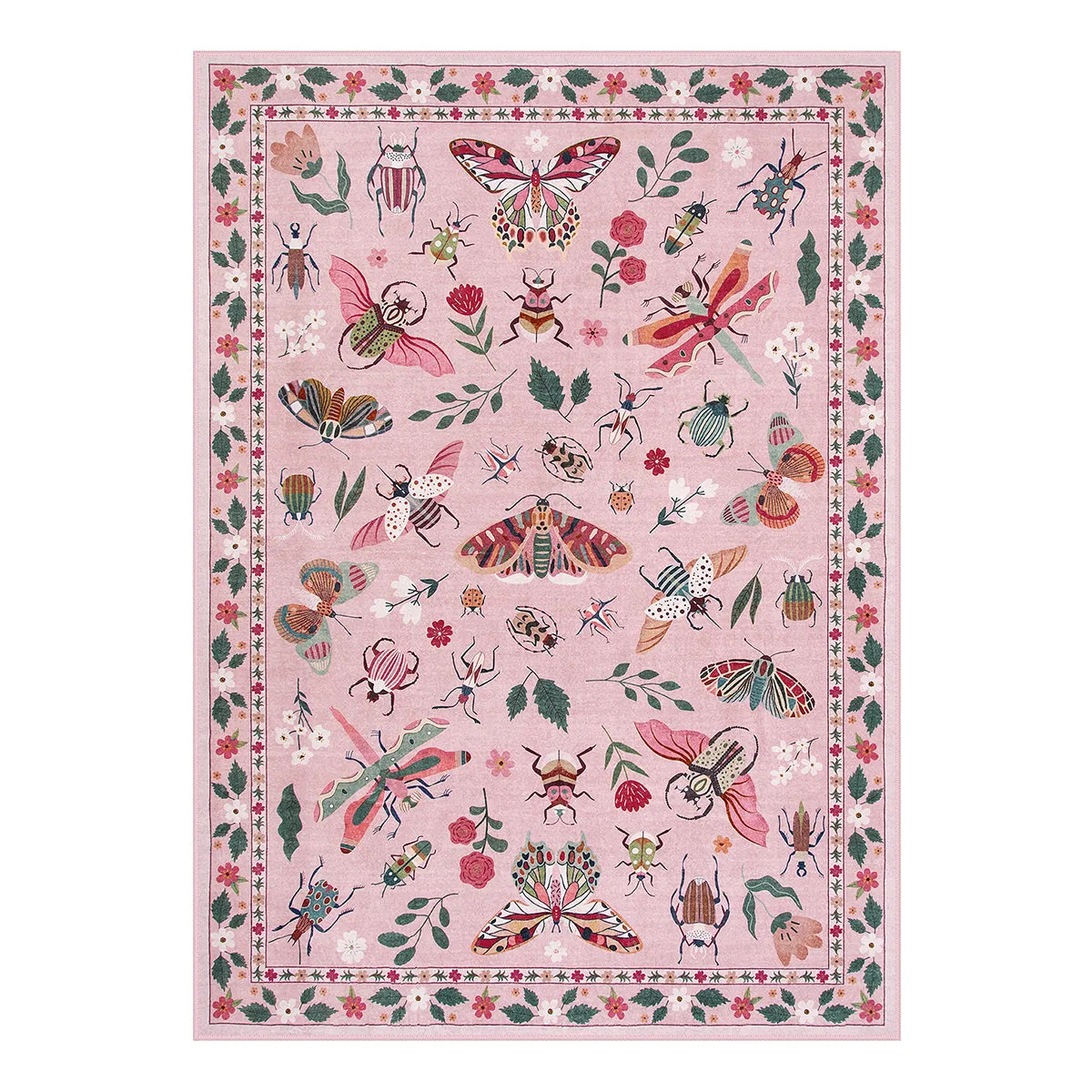
Kids rugs offer a surprisingly powerful solution. Far more than simple floor coverings, the right rug can define activity zones, cushion little knees during circle time, absorb classroom noise, and inject color and personality into any learning space. The challenge lies in knowing which rugs actually deliver on comfort, durability, and visual appeal without demanding constant upkeep.
This guide walks educators through everything they need to make confident rug choices. You’ll discover how to select playroom rugs that balance softness with practicality, what materials and construction methods make rugs genuinely durable under daily classroom conditions, and how a simple maintenance routine can dramatically extend a rug’s lifespan. Whether you’re setting up a nursery corner or refreshing an entire early childhood classroom, these insights will help you transform your space into an environment where children genuinely thrive.
The Essential Role of Kids Rugs in Early Childhood Classrooms
Walk into any thriving early childhood classroom and you’ll almost certainly find a rug at its center. That’s no accident. Kids rugs do something bare floors simply cannot — they create a physical and psychological anchor for young learners, signaling that this space is safe, warm, and made for them. When children sit on a soft rug during story time or spread out for creative play, they’re more relaxed, more focused, and more willing to engage with the activities around them.
Beyond comfort, playroom rugs serve a surprisingly practical structural role. A well-placed rug instantly defines activity zones without the need for walls or furniture barriers. A circular rug in one corner becomes the reading nook; a brightly colored rectangular rug near the blocks signals the building area. This kind of spatial organization helps young children understand boundaries and transitions, reducing behavioral friction throughout the day.
Noise is another underappreciated challenge in early learning environments. Hard floors amplify every scrape of a chair, every dropped toy, and every shuffling foot — creating an acoustic environment that strains both children’s concentration and teachers’ voices. Soft rugs absorb a meaningful portion of that ambient noise, making it easier for everyone in the room to hear and be heard.
Visually, kids rugs inject color, pattern, and personality into spaces that might otherwise feel institutional. Whether it’s a map of the world, a vibrant geometric design, or a simple solid color that complements your classroom palette, the right rug communicates intentionality. It tells children — and their families — that this environment was thoughtfully designed with young learners in mind, setting the tone for everything that happens within it.
How to Choose Playroom Rugs for Maximum Comfort and Aesthetics
Choosing the right rug for a classroom isn’t simply a matter of picking something colorful and hoping it works. Educators need to think deliberately about how a rug will function in the space — visually, physically, and educationally — before making a purchase. The good news is that a clear framework makes the selection process far more manageable.
Start with color and pattern. Soft rugs in warm, inviting tones create a sense of calm, while brighter primary colors energize creative zones. Patterns tied to educational content — alphabet letters, numbers, world maps, or nature motifs — pull double duty as both décor and learning tools. For nursery rugs in younger classrooms, simpler patterns with high contrast tend to engage developing visual attention without overwhelming small children.
Material choice directly determines how a rug feels underfoot and under little knees. Plush pile rugs offer exceptional softness for floor-based activities like storytime and sensory play, while low-pile wool blends strike a balance between cushioning and durability. Synthetic options like soft-touch polyester can mimic the warmth of natural fibers while offering easier cleaning — an important practical consideration in any busy classroom. Brands like Lahome have built their area rug collections around exactly this balance, offering a wide range of kid-friendly designs in materials suited to high-traffic spaces.
Step-by-Step Selection Guide for Educators
Following a structured approach saves both time and money. First, assess your classroom layout by measuring the intended area and identifying how the rug will anchor the space — whether it’s a central gathering area or a defined activity corner. Second, choose colors and designs that align with your educational themes and complement existing wall colors or furniture, keeping the overall palette cohesive rather than chaotic. Third, physically test softness and safety before committing: check for non-slip backing, low VOC certifications, and pile density that cushions without creating a tripping hazard. Finally, consider multifunctional use — a rug with a road map or grid design, for instance, supports imaginative play, early math concepts, and structured group activities simultaneously, giving you far more value from a single purchase.
Ensuring Longevity with Durable Rugs for Frequent Use
Comfort matters, but in a classroom that sees dozens of children every day, durability is what separates a worthwhile investment from a costly mistake. A rug that looks beautiful on day one but frays, flattens, or stains beyond recovery within a semester creates more problems than it solves. Understanding which materials and construction methods genuinely hold up under daily classroom conditions is the foundation of any smart purchasing decision.
Polypropylene stands out as one of the most practical choices for high-traffic playroom rugs. It resists moisture, repels stains naturally, and maintains its color even after repeated cleaning — all critical qualities when spills, muddy shoes, and art projects are daily realities. Nylon offers a step up in resilience for spaces with especially heavy foot traffic, with excellent resistance to crushing and abrasion that keeps the pile looking intact far longer than softer synthetic alternatives. For educators who prefer natural materials, wool blends provide impressive durability alongside natural stain resistance, though they typically require more careful cleaning protocols.
Beyond raw material, construction quality determines how a rug holds together over time. Tightly woven or densely tufted rugs resist the pulling and unraveling that comes from children sitting, scooting, and dragging toys across the surface. A non-slip backing is non-negotiable — it prevents dangerous shifting on hard floors and reduces the edge curling that accelerates wear. Look for rugs with reinforced edges or bound borders, since the perimeter takes the most punishment in any active space.
Key Features to Look for in Durable Classroom Rugs
Evaluating rug quality before purchase doesn’t require expert knowledge — just a focused checklist. On material durability, prioritize polypropylene or nylon for synthetic options, or tightly woven wool blends for natural fiber rugs; check the pile density by pressing your hand into the surface and observing how quickly it recovers. For construction, examine the backing for firmness and check that edges are bound or serged rather than simply cut, which dramatically reduces fraying over time. On safety certifications, look for low-VOC or CRI Green Label certifications that confirm the rug won’t off-gas harmful chemicals in an enclosed classroom environment, and verify that any dyes used are non-toxic and colorfast. Finally, ask suppliers about abrasion ratings or wear warranties — manufacturers confident in their durable rugs typically back them with concrete performance guarantees, giving educators a reliable benchmark for comparing options before committing.
Practical Maintenance Tips for Soft and Durable Nursery Rugs
Even the most durable rugs deteriorate quickly without consistent care. In a classroom environment where spills, tracked-in dirt, and heavy daily foot traffic are unavoidable, a proactive maintenance routine isn’t optional — it’s what protects your investment and keeps the space genuinely hygienic for children. The good news is that effective rug care doesn’t require specialized equipment or significant time, just a few well-established habits applied consistently.
Vacuuming is the single most impactful thing you can do for nursery rugs on a regular basis. Running a vacuum over high-traffic areas daily — and doing a thorough pass over the entire rug at least twice weekly — prevents dirt and grit from working their way into the pile fibers, where they act like sandpaper with every step. For low-pile synthetic rugs, a standard upright vacuum works well; for plush or thicker pile rugs, use a vacuum with adjustable suction to avoid pulling at the fibers.
Stain response time matters enormously. Blot liquid spills immediately with a clean, dry cloth — never rub, which spreads the stain and pushes it deeper into the fibers. For most classroom spills, a solution of mild dish soap and warm water applied with a soft brush handles the cleanup without damaging durable rugs. Tougher stains like paint or adhesive may require a product specifically formulated for the rug’s fiber type, so keep a compatible spot cleaner on hand before you need it.
Preventive measures extend rug life significantly. Rotating the rug every few months distributes wear patterns evenly, preventing one section from deteriorating while the rest remains intact. Using a quality rug pad underneath adds cushioning, reduces slipping, and prevents the backing from grinding against hard floors — a common source of premature wear that many educators overlook.
Easy Cleaning and Care Solutions
Building a simple maintenance schedule removes the guesswork and ensures nothing gets neglected. Daily tasks should include a quick vacuum of high-use areas and immediate spot treatment of any visible spills or stains before they set. Weekly, perform a full vacuum of the entire rug surface and inspect the edges and backing for any signs of curling, fraying, or moisture buildup that could harbor mold. Monthly, consider a deeper clean suited to the material — polypropylene and nylon rugs generally tolerate a light scrub with a diluted cleaning solution and thorough air drying, while wool blends benefit from dry cleaning methods or professional cleaning to preserve fiber integrity. For tools, a handheld steam cleaner works particularly well for sanitizing synthetic classroom rugs without soaking them, making it a practical addition to any educator’s maintenance kit. Posting this schedule visibly in a supply closet ensures substitute teachers and classroom aides follow the same routine, keeping care consistent year-round.
Building Better Learning Spaces with the Right Classroom Rug
Creating a classroom where children genuinely thrive starts with the details — and few details carry as much practical weight as the rugs beneath their feet. Throughout this guide, we’ve explored how kids rugs do far more than cover a floor: they define learning zones, cushion active bodies, absorb disruptive noise, and communicate that a space was designed with young learners in mind.
Selecting the right playroom rug means thinking deliberately about color, material, size, and multifunctional potential before making a purchase. Prioritizing durable materials like polypropylene or nylon — paired with tight construction, bound edges, and non-slip backing — ensures your investment holds up through the daily demands of classroom life. And committing to a consistent maintenance routine, from daily vacuuming to periodic deep cleaning, protects both the rug and the hygienic environment children deserve.
The path from a bare, uninviting classroom to a warm and purposeful learning environment doesn’t require a major renovation. Sometimes it starts with a single, well-chosen rug. Take the insights from this guide and apply them to your next purchase — your students will feel the difference from the moment they sit down.