Designing your own embroidered item doesn’t require bulk orders or complex arrangements. Whether you’re commemorating a special occasion or making a statement with a unique accessory, it’s entirely possible to bring your creative vision to life with a single piece custom embroidery no minimum. Modern digital platforms and advancements in embroidery technology have democratized the process, giving everyone access to high-quality, personalized products—without requiring a bulk purchase commitment.
It’s now simpler than ever to personalize hats, jackets, bags, or t-shirts for yourself or as a thoughtful gift. By leveraging specialized online embroidery services, you can achieve stunning results—even if you only need a single, custom piece. However, to make the most of this opportunity, it’s vital to understand the process, the elements that affect quality and cost, and the factors that will ensure satisfaction with your finished creation.
Understanding the Embroidery Process
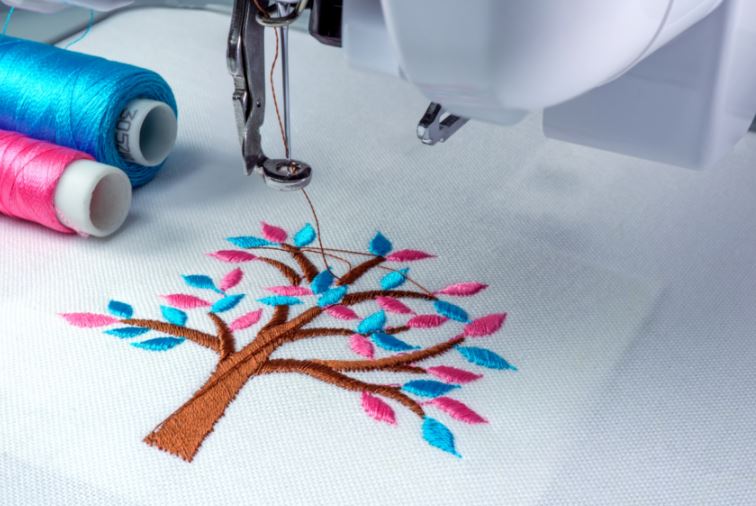
Embroidery today is a sophisticated craft that combines creativity with digital accuracy. It starts with digitization, where your artwork or logo is transformed into a digital file tailored for embroidery machines. This file directs the embroidery process, ensuring your design is accurately transferred onto fabric with threads instead of ink. Knowing about digitization clarifies why many custom providers include a one-time setup or digitization fee, particularly for one-of-a-kind designs.
Choosing the Right Service
Many companies now offer on-demand embroidery for a wide variety of products, making it easier than ever to bring custom designs to life. When selecting a partner for your project, focus on factors like transparent pricing, clear customer reviews, and an intuitive design tool. These elements simplify both the creative process and the ordering experience, helping to minimize miscommunication and errors along the way.
Design Considerations
Thoughtful design is critical in custom embroidery. Here are elements you should consider:
- Simplicity: The more detailed the design (i.e., small text, intricate logos, photo-quality images), the higher the stitch count, which not only raises costs but can also reduce clarity on certain fabric types.
- Color Selection: Many embroidery machines are limited to a set number of thread colors. Designs with fewer colors are both more economical and visually effective in most cases.
- Fabric Choice: Heavier fabrics (denim, canvas, sweatshirts) generally hold embroidery better than thinner ones, like silk or polyester blends. Select a fabric that responds well to thread tension and complements the intended aesthetic of your design.
Being mindful of these factors ensures that you strike a balance between artistry and feasibility, resulting in a polished, professional-looking product.
Cost Factors
When ordering custom embroidery in small quantities, it’s important to anticipate the cost components:
- Digitization Fees: This may be a flat, one-time cost, but it is essential for translating your design into stitches.
- Stitch Count: Most embroidery services base their pricing on the total number of stitches in your design. High stitch counts equal more production time and higher costs.
- Garment Type: The complexity and thickness of the item you’re having embroidered (for example, hats versus T-shirts) can impact labor and, therefore, pricing.
Placing Your Order
Once your design is optimized, ordering is straightforward. Select the product and color, upload your design file, and then preview how your design will look on the finished piece. Always double-check mockups, thread color selections, and garment size before checkout. Many services offer an online proof for approval prior to production, thereby reducing the risk of surprises upon delivery.
Receiving and Caring for Your Embroidered Item
When your custom item arrives, proper care is crucial to retaining its appearance. Most providers recommend gentle machine washing with cold water and avoiding the use of bleach or high heat drying. Turn items inside out before laundering to minimize friction, and air-dry whenever possible to protect the threadwork. With routine care, quality embroidery will remain vibrant and durable for years.
Conclusion
You don’t have to buy in bulk to enjoy custom embroidery. With the right online service and a good understanding of the design and ordering process, you can create a beautiful, bespoke piece—whether it’s a one-off personalized gift or the finishing touch to your own wardrobe. Focusing on simplicity, fabric selection, and careful ordering will help you maximize the potential of this creative and accessible art form.