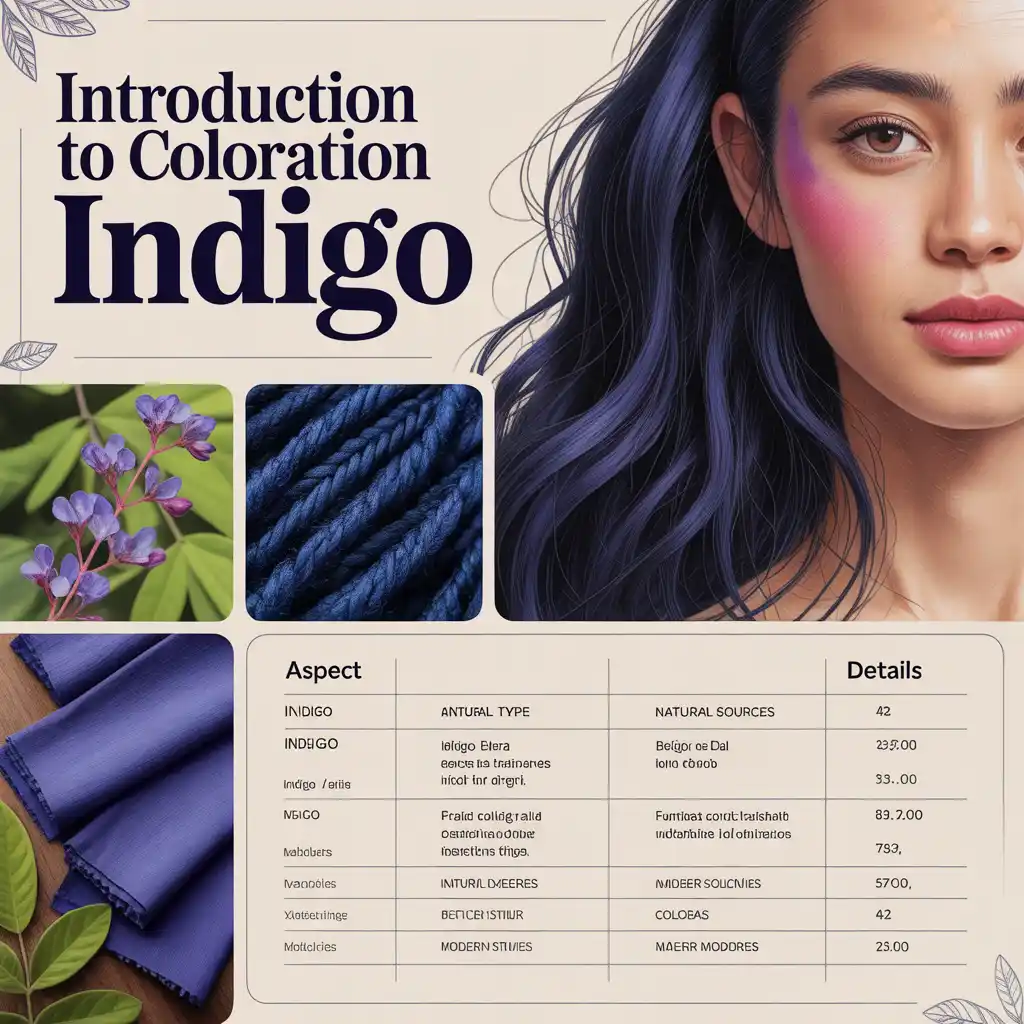
Introduction to Coloration Indigo
In a world increasingly drawn to natural and sustainable options, coloration indigo stands out as a versatile and enduring choice. Derived from plants, this deep blue hue has colored fabrics and hair for centuries, blending tradition with contemporary eco-aware lifestyles. Whether you’re slipping into a pair of faded jeans or seeking a chemical-free way to cover grays, coloration indigo offers a gentle, authentic alternative. This article dives into its essence, applications, and lasting popularity, all explained in straightforward terms for everyday readers.
Quick Overview: Coloration Indigo Essentials
Here’s a simple table summarizing the key aspects of coloration indigo:
| Aspect | Details |
|---|---|
| Color Type | Deep purplish-blue |
| Natural Source | Indigofera plant |
| Historical Use | Textile dyeing, traditional clothing |
| Modern Uses | Denim, natural hair coloring, art |
| Hair Coloring Method | Often mixed with henna |
| Final Hair Shades | Brown, dark brown, black |
| Popular For | Natural, chemical-free coloring |
| Eco-Friendly | Yes, plant-based |
Defining Coloration Indigo
Coloration indigo describes the technique and outcome of applying indigo dye to achieve a rich, blue or blue-black shade. Sourced from the leaves of the Indigofera plant, this dye is transformed into a usable powder or paste for tinting materials like cloth or hair.
What sets coloration indigo apart is its reliance on natural processes rather than aggressive chemicals. It activates through oxidation, where the color intensifies upon air exposure, leading to shades that evolve subtly over time. In today’s market, people opt for coloration indigo for its organic roots, durability, and vibrant depth that often surpasses artificial options.
The Rich History of Coloration Indigo
The story of coloration indigo stretches back millennia, making it one of humanity’s earliest dyes. Civilizations in regions like India, Egypt, China, and parts of Africa harnessed indigo for fabric coloring long ago.
In those eras, indigo-tinted garments signified wealth, skill, and cultural exchange. Dubbed “blue gold” for its rarity and worth, indigo fueled ancient trade routes, connecting distant lands. Even now, when we admire indigo-dyed items or classic denim, we’re touching a thread of this historical tapestry.
Coloration Indigo in Fabric and Fashion
Perhaps the most iconic application of coloration indigo is in textiles, particularly denim. The signature blue of jeans comes from indigo, which adheres to the yarn’s exterior rather than soaking through. This surface-level bonding allows for that cherished fade, personalizing each piece with wear.
Outside of jeans, coloration indigo enhances various items, such as:
- Handcrafted woven materials
- Elegant scarves and wraps
- Decorative home fabrics
- Custom artisan apparel
Contemporary creators favor natural indigo for its alignment with green fashion, delivering an earthy, genuine aesthetic.
Applying Coloration Indigo to Hair Naturally
Lately, coloration indigo has surged in popularity for organic hair treatments. Those dodging synthetic chemicals embrace indigo powder as a safe, botanical substitute.
Used solo, indigo might impart a blue or green cast, especially on lighter strands. Pairing it with henna balances this, yielding earthy tones. The standard approach involves:
- Starting with henna for a warm red foundation
- Following with indigo to deepen and tone down the redness
- Adjusting based on hair texture, duration, and proportions
This method highlights the adaptability of coloration indigo in hair care.
Key Shades from Coloration Indigo
The versatility of coloration indigo shines in the range of hues it can produce. Tailored by application, possible results include:
- Subtle light brown (more henna, minimal indigo)
- Balanced medium brown
- Rich dark brown
- Gentle soft black
- Intense jet black (heavy indigo focus)
Unlike quick-fix dyes, coloration indigo matures gradually, often deepening in the first day or two for a seamless, lifelike effect.
Main Points on Coloration Indigo
To recap the core elements of coloration indigo, here’s a clear list of the primary highlights:
- Natural Origin: Extracted from the Indigofera plant, promoting chemical-free use.
- Historical Significance: Used for thousands of years in global cultures for dyeing and trade.
- Textile Applications: Famous in denim for fade-resistant, surface-level coloring.
- Hair Coloring Benefits: Combined with henna for brown-to-black shades without harsh additives.
- Eco-Advantages: Supports sustainable practices by being plant-derived and long-lasting.
- Oxidation Process: Color develops through air exposure, ensuring gradual, natural results.
- Cultural Depth: Symbolizes wisdom and tradition in various societies.
- Modern Relevance: Fits eco-conscious trends in fashion and personal care.
Advantages of Choosing Coloration Indigo
Beyond aesthetics, coloration indigo delivers multiple perks for textiles and tresses alike.
Organic and Gentle Nature
As a plant-sourced option, coloration indigo skips harmful elements like ammonia or peroxides, making it kinder to skin and strands when handled right.
Durable Hue Retention
Its color clings tenaciously, fading gracefully on fabrics or hair instead of patchy washout.
Enhancing Hair Health
Blended with henna, coloration indigo can boost luster, refine texture, and mask grays organically, with users often reporting fuller, vital locks.
Sustainable Appeal
Embracing coloration indigo fosters environmental responsibility, cutting down on man-made dyes and favoring renewable resources.
Simple Science Behind Coloration Indigo
No need for complex jargon coloration indigo operates via oxidation. The initial paste appears green or pale blue, but air interaction triggers a darkening transformation. Precision in timing and preparation unlocks this natural alchemy.
Debunking Myths Surrounding Coloration Indigo
Misunderstandings about coloration indigo abound; let’s set the record straight.
- Myth: It Always Blues Hair – Only if applied alone on pale hair; henna mixing prevents this.
- Myth: It’s Risky – Pure forms are secure; issues stem from impure or modified versions.
- Myth: Too Complicated – With practice, the routine simplifies into an easy habit.
Coloration Indigo Compared to Artificial Dyes
Stacking coloration indigo against synthetics reveals stark contrasts.
Artificial options provide:
- Rapid application
- Consistent outcomes
- Potential irritants
Meanwhile, coloration indigo offers:
- Slower development
- Organic progression
- Milder, greener profile
For many, the wait is worthwhile for superior health and genuineness.
Maintenance Tips for Indigo-Treated Hair
Preserving coloration indigo in hair calls for easy routines:
- Skip shampooing for two days post-treatment
- Opt for gentle, non-sulfate cleansers
- Wash less often
- Hydrate regularly
These practices lock in the shade and extend its vibrancy.
The Deeper Symbolism of Indigo
Coloration indigo transcends utility, embodying cultural symbols like insight, resilience, and safeguarding in diverse traditions. Ritual attire often featured indigo for its profound connotations, a legacy that infuses modern uses with elegance and poise.
The Enduring Popularity of Coloration Indigo
Amid rising eco-trends, coloration indigo thrives by bridging heritage and innovation. It satisfies demands for natural beauty in clothing, hair, and beyond, reflecting a shift toward mindful consumption.
Wrapping Up: The Essence of Coloration Indigo
Ultimately, coloration indigo embodies nature’s artistry, historical depth, and conscious decisions. Spanning from age-old fabric arts to today’s hair rituals, it endures as a testament to quality. Selecting coloration indigo means embracing substance, patience, and timeless grace qualities that enrich as they age.