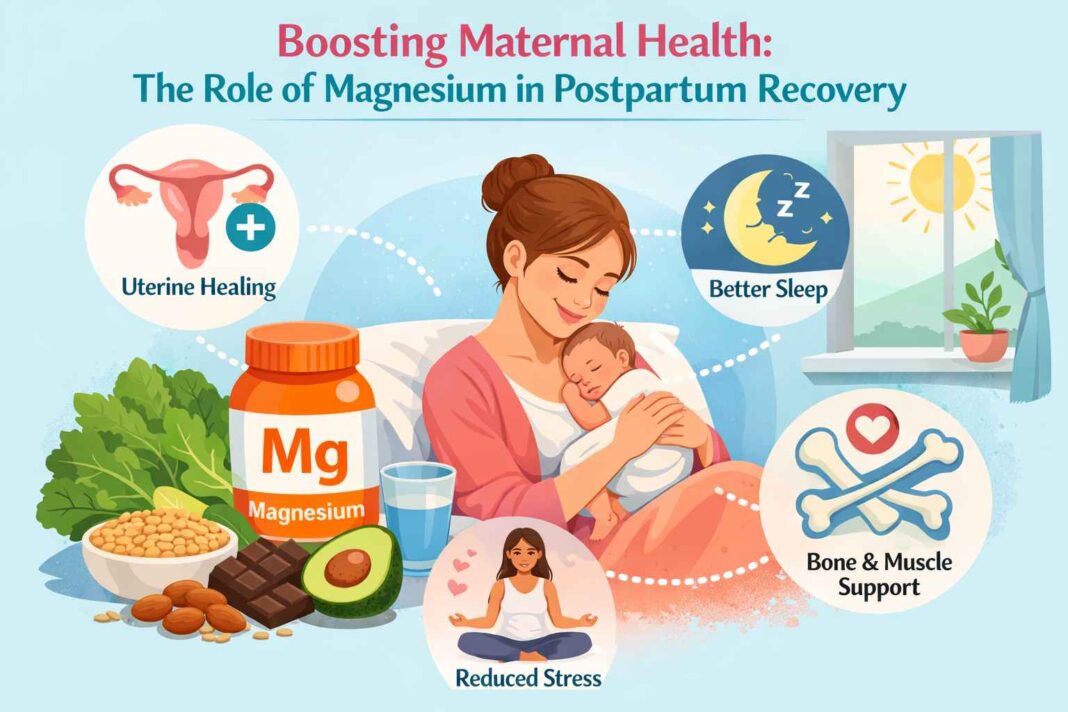
Postpartum recovery is a critical phase in a mother’s life, demanding careful attention to nutrition and overall wellness. While most new mothers are aware of the importance of vitamins and minerals, one nutrient that often receives less attention is magnesium. This essential mineral plays a crucial role in supporting maternal health, especially in the weeks and months following childbirth. Understanding how magnesium contributes to recovery and maintaining adequate intake can significantly impact a mother’s physical and emotional well-being.
For breastfeeding mothers, determining optimal nutrient intake is even more important. A common question among new moms is how much magnesium does a breastfeeding woman need. Ensuring sufficient magnesium intake during this time not only supports the mother’s recovery but also helps provide essential nutrients to the baby through breast milk.
Why Magnesium Matters After Childbirth
Magnesium is involved in over 300 biochemical reactions in the body, making it vital for a wide range of functions. After childbirth, magnesium contributes to muscle recovery, supports nerve function, and aids in regulating blood pressure. Mothers who experience low magnesium levels may find themselves more susceptible to fatigue, muscle cramps, and even mood disturbances. Considering that postpartum recovery often includes disrupted sleep and heightened stress, magnesium’s role in promoting calm and relaxation cannot be overstated.
Additionally, magnesium helps regulate energy production at the cellular level. For new mothers balancing the physical demands of caring for a newborn, adequate magnesium ensures that energy metabolism remains efficient. Without sufficient magnesium, the body may struggle with fatigue and a slower recovery process.
Magnesium and Mood Regulation
One of the less obvious but equally important benefits of magnesium is its impact on mental health. Postpartum mood changes, including anxiety and depression, are common in the weeks following birth. Magnesium helps regulate neurotransmitters such as serotonin, which play a role in mood stabilization. Research suggests that maintaining adequate magnesium levels can reduce the risk of postpartum mood disorders and improve overall emotional resilience during recovery.
Sources of Magnesium for Postpartum Mothers
Incorporating magnesium-rich foods into a postpartum diet is both simple and beneficial. Some excellent dietary sources include:
- Leafy green vegetables: Spinach, kale, and Swiss chard provide a rich source of magnesium.
- Nuts and seeds: Almonds, cashews, pumpkin seeds, and sunflower seeds are excellent for snacking or adding to meals.
- Whole grains: Quinoa, brown rice, and oats not only provide magnesium but also contribute to overall fiber intake.
- Legumes: Beans, lentils, and chickpeas offer magnesium along with protein, supporting muscle recovery.
- Fish: Fatty fish like salmon and mackerel contain magnesium as well as omega-3 fatty acids, which are important for both mother and baby.
Magnesium supplements are another effective option, especially for mothers who may struggle to meet daily requirements through diet alone. It’s essential to discuss supplement use with a healthcare provider to determine the correct dosage based on individual needs.
How Magnesium Supports Physical Recovery
During pregnancy, a mother’s body undergoes significant changes, and magnesium helps address some of the common postpartum challenges. Muscle cramps, often caused by magnesium deficiency, can be alleviated with adequate intake. Magnesium also supports healthy bone function, which is particularly important for mothers who have recently given birth, as calcium and magnesium work together to maintain bone strength.
Moreover, magnesium plays a key role in regulating blood sugar levels. For mothers recovering from gestational diabetes or at risk of developing postpartum metabolic issues, magnesium helps maintain stable blood sugar, reducing energy crashes and promoting overall metabolic health.
Creating a Postpartum Magnesium Plan
New mothers should aim to include magnesium-rich foods in every meal and consider supplementation if necessary. Pairing magnesium with other nutrients such as calcium, vitamin D, and vitamin B6 can enhance absorption and maximize benefits. Additionally, magnesium can be incorporated through relaxing routines like magnesium baths, which provide absorption through the skin and promote relaxation—a small but impactful addition to self-care during recovery.
Conclusion
Magnesium is an often-overlooked mineral that plays a vital role in postpartum recovery. From supporting muscle and nerve function to aiding mood regulation, magnesium contributes to both physical and emotional well-being for new mothers. Understanding how much magnesium does a breastfeeding woman need and ensuring adequate intake through diet or supplements can make a tangible difference in recovery and overall health. By prioritizing magnesium, mothers can navigate the postpartum period with greater energy, resilience, and confidence, laying the foundation for long-term wellness.