One of the most common questions in DIY home decor is whether you can install peel and stick wallpaper on wallpaper that is already installed. The short answer is yes, but it requires the right conditions. The existing wallpaper must be smooth, clean, and firmly adhered to the wall. If the current layer is textured, peeling, or has a vinyl coating that repels adhesive, the new layer may not stick properly. This method is often a lifesaver for renters looking for apartment wallpaper solutions that cover outdated designs without the hassle of stripping old paper.
Choosing the Right Material
When layering, selecting high-quality peel and stick wallpaper is essential. Thicker materials are more forgiving and help conceal any minor seams or patterns from the layer underneath. This is particularly important if the old wallpaper has a dark or high-contrast print that might show through a thinner, lighter-colored removable wallpaper. Always test a small sample first to ensure the adhesive takes hold without damaging the surface below.
Preparation Is Key for Long-Lasting Results
Cleaning and Repairing
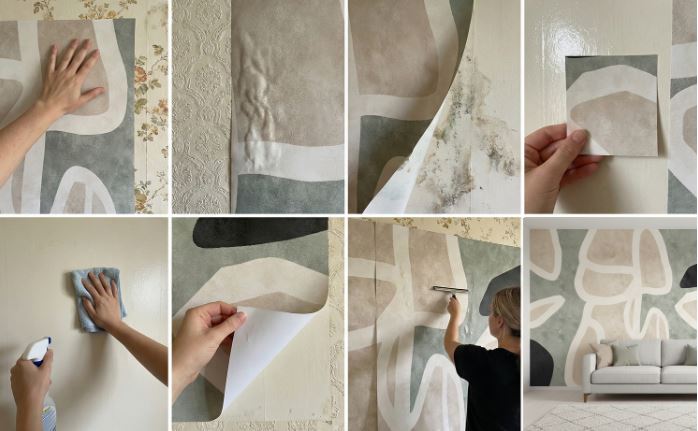
Before you begin, the existing surface must be pristine. Dust, grease, and grime are the enemies of adhesive. Wipe down the walls with a damp cloth and a mild cleaner, allowing them to dry completely. If there are loose corners or lifting seams on the old layer, repair them with wallpaper glue or smooth them down. Applying temporary wallpaper over a compromised surface will only lead to bubbles and peeling later on.
Priming Considerations
In some cases, especially if the old wallpaper is vinyl or semi-gloss, you might need to create a “key” for the new adhesive. While you usually want to avoid damaging the old layer, a very light sanding or a coat of peel-and-stick friendly primer can help. However, for most standard smooth papers, a thorough cleaning is sufficient to ensure your temporary wallpaper adheres correctly.
Step-by-Step Application for a Flawless Finish
Aligning the First Drop
Start in a corner or the least visible part of the room. Peel back a few inches of the backing and align the top of the strip with the ceiling. Use a smoothing tool to push out air bubbles as you work your way down. Since you are applying this over an existing layer, be gentle to avoid pulling the old paper off the wall if you need to reposition your strip. This reversibility is what makes this option excellent removable wallpaper for changing tastes or rental units.
Handling Seams and Patterns
When lining up the next strip, match the pattern carefully. Do not overlap the edges unless the manufacturer specifically recommends it, as this creates ridges that are more noticeable when layering over existing paper. If you are installing large wall murals, the alignment is even more critical. Murals often come in numbered panels, and a slight misalignment can throw off the entire image. Take your time to butt the edges together perfectly for a seamless look.
Why This Method Works for Renters and DIYers
The Ultimate Reversible Makeover
Layering new designs over old ones is the quickest way to refresh a space without the mess of traditional removal methods. It allows you to transform a room in a single afternoon. Whether you are using a bold geometric print or installing scenic wall murals, this technique saves time and labor. Once you are ready to move or redecorate, you can simply remove the top layer, leaving the original wall covering intact.
Final Inspection
Once all panels are up, go over the entire surface with your smoothing tool one last time to ensure firm contact. Trim any excess material at the ceiling and baseboards with a sharp blade. With the right preparation, applying peel and stick wallpaper on wallpaper is a durable, stylish, and completely reversible design solution.