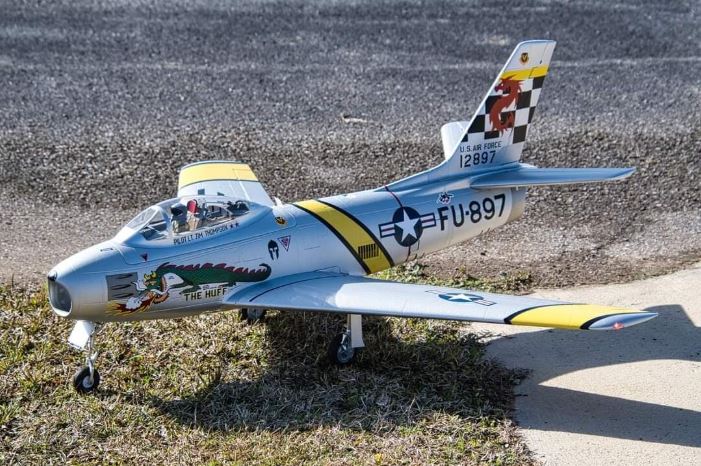
Remote control airplanes have soared in popularity over recent years, captivating children and adults alike with the thrill of piloting miniature aircraft through the skies. For parents, watching their child’s face light up as they successfully navigate an RC plane can be incredibly rewarding. However, the market offers an overwhelming array of options, from simple foam gliders to sophisticated models with advanced features. Finding the right balance between excitement and safety becomes crucial when introducing children to this engaging hobby.
Selecting an appropriate rc airplane requires careful consideration of several factors, including your child’s age, skill level, and interest commitment. The wrong choice can lead to frustration, damaged equipment, or even safety concerns, while the right model can spark a lifelong passion for aviation and engineering. This guide will help you navigate the selection process, ensuring you choose an RC airplane that matches your child’s abilities while providing room for growth and learning in this exciting recreational activity.
Understanding RC Airplanes
RC airplanes consist of several key components that work together to achieve controlled flight. The airframe provides the structural body and wings, typically constructed from foam, balsa wood, or composite materials that balance durability with lightweight design. The motor system, either electric or fuel-powered, generates thrust through a propeller, with electric motors being the preferred choice for children due to their simplicity and cleaner operation. The radio control system includes a handheld transmitter that sends signals to a receiver mounted in the aircraft, which then directs servos to move control surfaces like ailerons, elevators, and rudders. Modern RC planes also incorporate electronic speed controllers to regulate motor power and rechargeable battery packs that typically provide 10-20 minutes of flight time. Understanding these fundamental components helps parents make informed decisions about maintenance requirements, replacement parts availability, and the overall complexity their child will encounter. Ready-to-fly models come pre-assembled with all components installed, while build-it-yourself kits offer educational value but require more parental involvement and technical knowledge to prepare for first flight.
Safety Guidelines for Flying RC Airplanes with Kids
Safety should always be the top priority when introducing children to RC aviation. Before the first flight, establish a dedicated flying area away from people, buildings, power lines, and roads—open parks or designated RC flying fields provide ideal environments. Always conduct pre-flight checks by inspecting the airframe for cracks or loose parts, ensuring the battery is properly secured, and verifying that all control surfaces respond correctly to transmitter inputs. Children should understand that RC airplanes are not toys but functioning aircraft that require respect and careful handling.
Adult supervision is essential, especially for beginners who may not yet recognize hazardous situations. Teach your child to never fly toward people or animals, maintain visual contact with the aircraft at all times, and immediately land if control seems compromised. Weather conditions play a significant role in safe flying—avoid windy days exceeding 10-15 mph for beginners, as gusty conditions make control difficult and increase crash risks. Establish clear boundaries about where flying is permitted and ensure your child wears safety glasses during operation to protect against propeller-related injuries during launch or retrieval. Creating a simple checklist that includes battery charge verification, control surface testing, and airspace clearance helps children develop responsible habits that will serve them throughout their RC flying journey.
Recommended RC Models for Different Age Groups
Beginner Models
Children ages 6-10 benefit most from ultra-simple designs that prioritize stability over performance. Foam gliders with two-channel control (throttle and steering only) provide the gentlest introduction, allowing young pilots to master basic directional control without overwhelming complexity. These models typically feature high-wing configurations that naturally resist tipping and self-stabilize during flight. Crash-resistant foam construction means inevitable learning accidents result in bounces rather than destruction, keeping frustration levels low and replacement costs minimal. Models with beginner or stability modes use gyroscopic sensors to automatically correct flight attitude, essentially preventing crashes while children develop hand-eye coordination and spatial awareness necessary for independent flying.
Intermediate Models
As children reach ages 10-13 and demonstrate consistent control of basic models, intermediate aircraft introduce three or four-channel control, adding elevator control for climbing and descending, and sometimes rudder for coordinated turns. These models often feature semi-scale designs that resemble real aircraft, increasing engagement while maintaining forgiving flight characteristics. Moderate wing loading and larger control surfaces provide responsive handling without the twitchiness of advanced models. Intermediate planes typically offer switchable flight modes, allowing pilots to disable stability assistance as confidence grows. Durable EPO foam construction withstands harder landings than beginner models while remaining repairable with simple adhesives. Battery life extends to 15-20 minutes, and some models accept interchangeable batteries for extended flying sessions, which becomes important as skill development requires more practice time.
Advanced Models
Teenagers aged 14 and above with demonstrated proficiency can graduate to advanced models that unlock aerobatic capabilities and realistic flight performance. These aircraft feature full four-channel control with independent aileron operation, enabling barrel rolls, loops, and inverted flight that captivate experienced pilots. Lower wing loading and higher power-to-weight ratios deliver aggressive performance, but demand precise inputs and constant attention.
 Scale warbirds, jets, and sport aerobatic designs appeal to different interests, with some models featuring functional flaps, retractable landing gear, and navigation lights that enhance realism. Manufacturers like FMS Model produce detailed scale replicas that combine authentic appearance with flight characteristics suitable for progressing pilots. Construction materials shift toward balsa wood, carbon fiber, and composite materials that optimize strength-to-weight ratios but require more careful handling and repair expertise. Advanced pilots should understand basic aerodynamics and possess the judgment to recognize their limitations—overconfidence leads to expensive crashes. Many experienced young fliers join local RC clubs where mentorship from adult pilots accelerates skill development and provides access to proper flying fields with safety protocols already established.
Tips for Effective RC Flying
Mastering RC flight requires patience and deliberate practice rather than rushing into complex maneuvers. Start each session with simple exercises like flying straight lines at constant altitude, practicing gentle turns in both directions, and executing smooth takeoffs and landings. Dedicate time to hovering or maintaining steady circular patterns, which builds the muscle memory and control sensitivity essential for progression. Flying in calm morning conditions provides the most forgiving environment for skill development, allowing children to focus on control inputs without battling wind interference.
Proper maintenance extends aircraft lifespan and prevents mid-flight failures that discourage young pilots. After each flying session, inspect the airframe for stress cracks, check that all screws remain tight, and clean dirt or grass from moving parts. Store batteries partially charged in cool, dry locations, and never leave them fully discharged for extended periods as this degrades capacity. Keep spare propellers, landing gear components, and control horns on hand since these items absorb impact during crashes and wear from regular use. Teaching children to perform these maintenance tasks themselves instills responsibility and deepens their understanding of how their aircraft functions, transforming RC flying from mere entertainment into an educational experience that develops mechanical aptitude and problem-solving skills applicable far beyond the flying field.
Making the Right Choice for Your Young Pilot
Choosing the right RC airplane for your child involves balancing their age, skill level, and genuine interest with appropriate safety features and complexity. Starting with beginner-friendly models that emphasize stability and durability prevents early frustration while building foundational piloting skills. As competence grows, transitioning through intermediate and advanced aircraft maintains engagement and challenges young pilots to expand their capabilities. Remember that supervision, proper safety protocols, and selecting appropriate flying locations remain non-negotiable regardless of the model chosen.
The investment in an RC airplane extends beyond the aircraft itself—it opens doors to understanding aerodynamics, developing hand-eye coordination, and fostering responsibility through maintenance routines. By matching the right model to your child’s current abilities while allowing room for growth, you create opportunities for meaningful outdoor activity that builds confidence and technical knowledge. Take time to research options thoroughly, consider joining local RC clubs for community support, and most importantly, participate alongside your child in this rewarding hobby that can strengthen family bonds while teaching valuable life skills that extend far beyond the flying field.